

cases
- Meeting Reservation Tablet
- Advertising Display Tablet
- Restaurant Ordering Tablet
- Stand By Me TV(Big Tablet)
- Smart Home Tablet
- Medical Monitoring Tablet
- Industrial Tablet
- Rugged Tablet
Have any questions?
Please feel free to contactus. We will get back to you as soon as.
+86-13501581295 +86-13501581295 [email protected]
Improving Hospital Ward Efficiency with Medical Monitoring Tablets Streamlining Patient Monitoring in Modern Hospitals
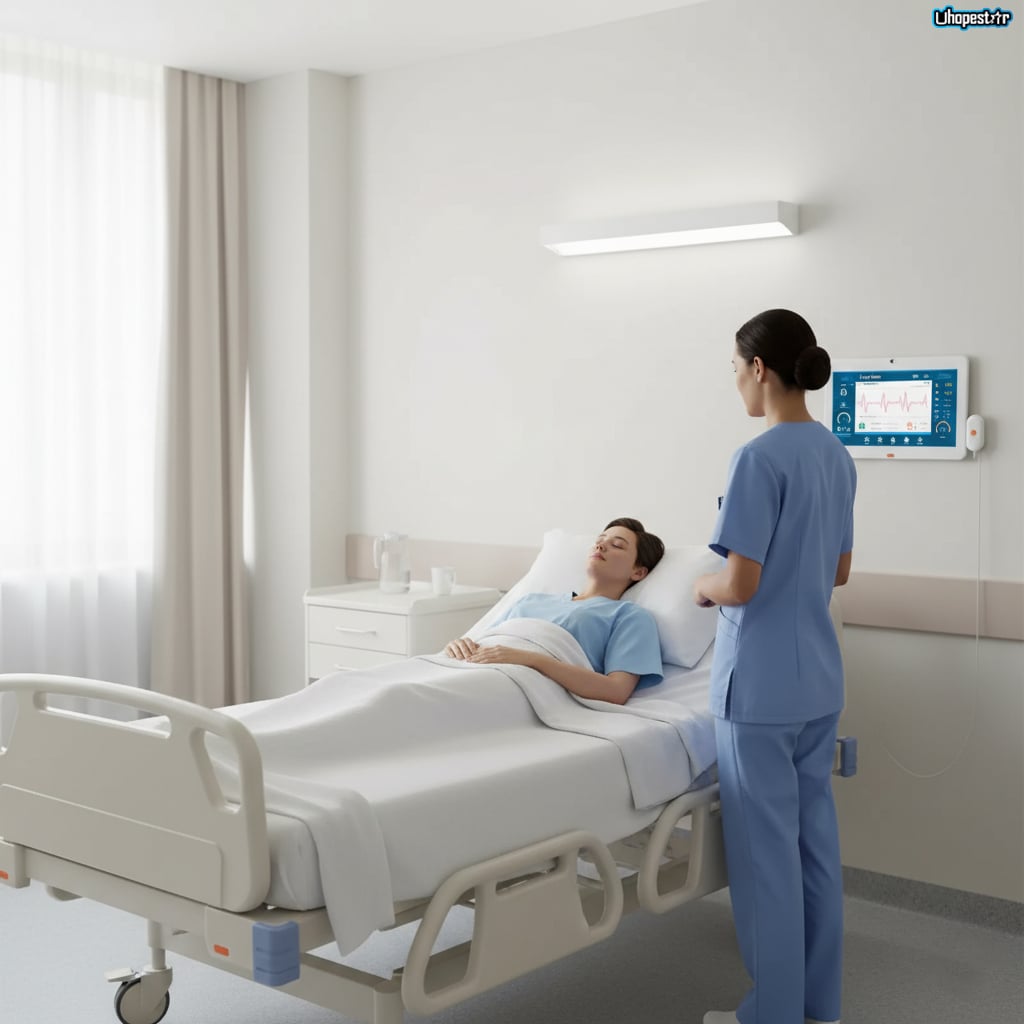


In today’s healthcare environment, hospitals face mounting pressure to deliver high-quality care while optimizing staff workflows. Traditional patient monitoring relies heavily on manual checks, paper records, and disparate devices, leading to inefficiencies and potential delays in responding to critical changes. By deploying Medical Monitoring Tablets at each bedside, hospitals can consolidate patient data, vital signs, and care instructions into a single Patient Room Tablet, enabling nurses and doctors to access information quickly and accurately. This shift reduces errors, streamlines workflow, and ensures that staff can focus more on patient care rather than administrative tasks.

Client Background: Large Urban Hospital in Southeast Asia
The project involved a 600-bed urban hospital serving both inpatient and outpatient populations. The facility faced challenges with managing multiple wards, including intensive care, general medicine, and post-operative units. Hospital administrators sought a solution that could provide Hospital Room Monitoring Tablets to improve real-time patient observation, simplify data access, and enhance communication between doctors, nurses, and allied health staff. Integration with the hospital’s electronic health record system was essential to maintain compliance, ensure accurate documentation, and support quick clinical decision-making.
Challenges in Traditional Patient Monitoring
Before the implementation of Digital Healthcare Tablets, nurses were required to manually record vital signs multiple times per shift, and doctors often had to consult separate charts or terminals to review patient status. This fragmented approach caused delays in responding to critical events, increased the likelihood of transcription errors, and consumed significant staff time. Additionally, communication between wards and central monitoring stations relied on phone calls or pagers, limiting real-time collaboration. These inefficiencies underscored the need for a centralized, bedside solution that could automate data collection, display vital information instantly, and reduce reliance on paper charts.
Deploying Medical Monitoring Tablets for Efficiency
The hospital installed Patient Care Tablets at each bed, configured to capture and display vital signs, patient history, and care instructions in real time. Each Health Monitoring Display connected seamlessly with existing hospital IT systems, including the electronic medical record (EMR) platform and nurse call systems. Nurses could instantly review patient trends, set alerts for critical thresholds, and update records at the bedside using touchscreen interfaces. Doctors could remotely monitor ward conditions, review patient progress, and coordinate interventions efficiently. The deployment also included secure access controls and role-based permissions to ensure patient data privacy while enabling rapid decision-making across clinical teams.

Practical Use in Ward Operations
In daily operations, nurses interact with Clinical Observation Tablets to log vital signs, update medication schedules, and track procedures, reducing duplication and improving accuracy. Alerts for abnormal heart rates or blood pressure trigger immediate notifications on the tablet, enabling staff to intervene proactively. Doctors can review trends on Electronic Medical Record Tablets without leaving their rounds, and multidisciplinary teams collaborate using shared data dashboards. Patients benefit indirectly, as staff response times improve and medical staff spend more time on direct care rather than administrative work. The Vital Signs Monitoring Tablet becomes an integral tool for ward supervision and patient safety.

Quantifiable Efficiency Improvements
Since implementing the Medical Monitoring Tablets, the hospital reported significant gains in efficiency. Documentation time per nurse decreased by 25%, while response times for critical alerts improved by 40%. The frequency of transcription errors dropped substantially, enhancing clinical accuracy and patient safety. Nurses reported a smoother workflow and reduced stress, as the tablets consolidated data and minimized redundant tasks. Central monitoring staff could oversee multiple wards simultaneously, thanks to integrated dashboards on the Smart Hospital Tablet, enabling better allocation of resources and prioritization of care.
Staff and Management Feedback
“The Patient Room Tablet has transformed how we manage patient care,” said the head nurse. “We can monitor vital signs instantly and update records at the bedside, which saves hours of paperwork and reduces errors.” The hospital’s IT director added, “Integration with our EMR system was seamless, and the real-time data has improved our clinical decision-making across all wards. It’s a significant step toward a more efficient, responsive hospital environment.” These testimonials highlight the practical and operational benefits of bedside Medical Monitoring Tablets in a hospital setting.
Industry Insights and Long-Term Value
This case demonstrates that deploying Medical Monitoring Tablets in hospital wards can significantly enhance staff efficiency, reduce administrative burden, and improve patient safety. For hospital administrators and healthcare technology decision-makers, investing in bedside tablets that integrate with EMR and clinical workflows provides measurable returns in time savings and operational effectiveness. As healthcare facilities face increasing patient loads and staffing pressures, bedside Patient Room Tablets and Health Monitoring Displays become essential tools to optimize hospital workflow, standardize care delivery, and ensure that clinical teams can focus on what matters most: patient outcomes.