

Why Hotels Are Adopting Display Tablets for Guest Navigation and Promotions
Rising Expectations in Modern Hospitality
Today’s hotel guests arrive with expectations shaped by digital convenience. They are accustomed to intuitive navigation, quick access to information, and seamless service interactions. Yet many hotels still rely on static posters, outdated brochures, or paper maps to communicate essential information. These traditional methods are slow to update, costly to maintain, and often overlooked by guests rushing through busy lobbies. As a result, hotels face challenges in delivering timely announcements, promoting on-site amenities, and guiding visitors effectively.
This growing gap between guest expectations and operational capabilities has accelerated the adoption of advertising display tablets—a new generation of dynamic, interactive digital displays built to elevate guest engagement and improve hotel communication speed.
The Role of Display Tablets in Hotel Communication
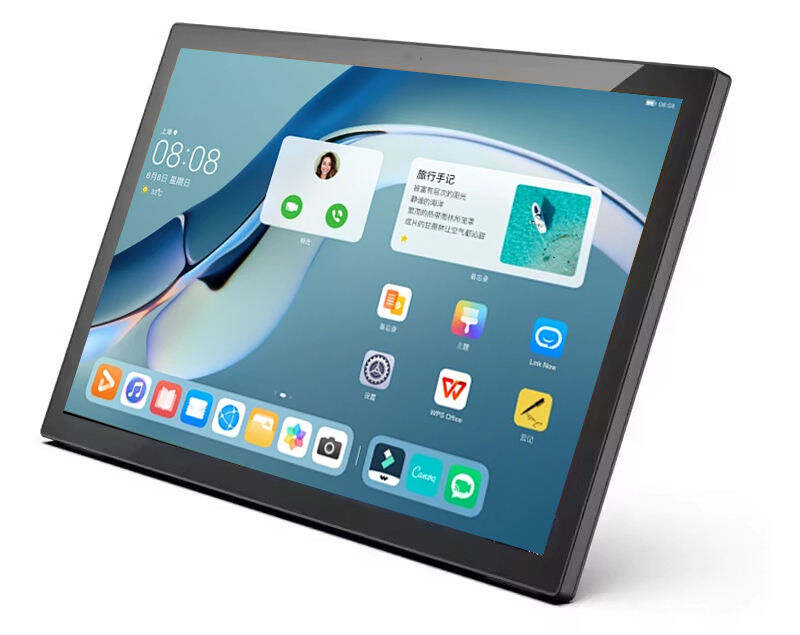
A modern advertising display tablet is far more than a screen. Designed for 24/7 commercial use, these devices serve as a flexible digital signage tablet capable of delivering instant updates, personalized content, and interactive assistance. Hotels use them as smart advertising screens, lobby information boards, restaurant menu displays, and self-service navigation points.
Unlike traditional signage that requires physical replacement or reprinting, content on a commercial tablet can be updated remotely in seconds. This allows marketing teams to display time-sensitive messages—such as restaurant opening hours, spa promotions, or event schedules—without operational delays.
For hotels juggling multiple services, real-time communication becomes a strategic advantage. Digital displays help ensure that every guest sees the right information at the right moment.
Interactive Navigation Designed for Seamless Guest Movement
One of the most valuable applications of interactive display tablets in hotels is guest navigation. Large properties, resorts, and convention hotels often receive feedback about confusing layouts or difficulty finding meeting rooms. A digital wayfinding system simplifies this experience through map-based interactions, searchable directories, and guided routes.
Placed at lobby entrances, elevator areas, or conference hall corridors, these tablets act as digital concierges. Guests can:
-
Search for hotel amenities
-
View upcoming events
-
Follow step-by-step on-screen directions
-
Check meeting room availability
-
Browse restaurant menus or promotions
In busy hotel environments where staff may not always be available for every question, an interactive hotel signage solution provides immediate and accurate assistance. This reduces front-desk pressure while improving guest satisfaction.
Delivering High-Impact Promotions with Smart Advertising Screens
Hotels depend on ancillary revenue—restaurants, spa services, tours, stores, and in-house entertainment. Yet without effective on-site promotion, many guests remain unaware of these offerings. A hotel advertising tablet allows brands to present visually engaging promotions exactly where guests make decisions: in the lobby, next to elevators, outside meeting rooms, or near dining areas.
Hotels commonly use digital signage for hotel lobby applications to showcase:
-
Happy hour specials
-
Seasonal packages
-
Room upgrades
-
Event announcements
-
Tourist recommendations
-
Membership programs
The combination of motion graphics, interactive layouts, and scheduled playlists helps hotels capture attention more effectively than static posters. With centralized content control, teams can adapt messages to occupancy levels, demographic trends, or special events, ensuring maximum promotional impact with minimal effort.
Operational Efficiency and Content Management Advantages
Hotel teams are constantly balancing guest service with administrative tasks. Display tablets help reduce workload through streamlined content management. Cloud platforms enable staff to schedule updates, automate playlist rotations, and push urgent announcements across multiple locations.
Many hotels report measurable efficiency improvements:
-
Reduced printing costs for brochures and posters
-
Faster communication cycles during events or emergencies
-
Higher visibility for on-site promotions
-
Improved guest flow with clear signage and digital assistance
Because these devices are built as energy-efficient digital signage tablets, hotels can operate them continuously without significant power waste, aligning with sustainability goals.
Real-World Scenarios Across Hotel Departments
To understand their impact, it helps to imagine a typical day in a large hotel.
Morning travelers approach a guest navigation display showing breakfast hours and directions. Later, business guests stop by a hotel event display tablet to check meeting schedules and room assignments. In the afternoon, families browse a digital guest information board near the elevator to discover pool activities and local attractions. At dinner time, guests explore a digital menu board tablet outside the restaurant showing updated prices and dish photos.
Across all these touchpoints, the advertising display tablet quietly enables smoother communication and better decision-making—without requiring additional staff.
Key Trends Shaping Next-Generation Hotel Displays
Hotels adopting smart displays today position themselves well for upcoming technological shifts. Several major trends are accelerating:
AI-Enhanced Guest Personalization
AI-powered hotel signage systems can tailor content based on time, location, guest demographics, or past interactions.
Cloud-Managed Multisite Control
Hotel chains increasingly rely on centralized dashboards to manage tablet-based digital signage across regions, standardizing brand communication.
Touch-Free Interaction
Gesture-based or QR-enabled systems are emerging, allowing guests to interact safely without touching the screen—especially relevant in health-conscious markets.
Integrated Smart Service Ecosystems
Future hospitality environments will blend digital signage with booking systems, POS terminals, and guest apps to create a connected ecosystem.
These trends highlight a long-term movement toward more intelligent, flexible, and guest-centered hotel environments.
Five Practical Content Management Tips for Hotels
Hotels deploying smart tablet for hotel guest engagement solutions can maximize results with a few best practices:
-
Use short, visual content—motion graphics capture attention in busy areas.
-
Align content with guest flow—promote spa services near wellness areas, dining ads near elevators.
-
Refresh content weekly so returning guests always see something new.
-
Leverage scheduling tools to match content with peak hours, such as breakfast promotions or evening bar specials.
-
Ensure multilingual support for international travelers, especially in tourism-heavy regions.
These techniques help transform a simple display into a strategic communication asset.
The Growing Value of Digital Displays in Hotel Environments
As hotels navigate rising guest expectations and tighter operational budgets, the shift toward more flexible and efficient digital communication tools becomes increasingly important. The advertising display tablet offers a powerful combination of real-time updates, intuitive navigation, and immersive promotions—helping hotels enhance guest experience while streamlining daily operations
More than a technology upgrade, it represents a shift toward smarter hospitality environments, where information flows easily and every guest touchpoint becomes an opportunity to deliver value.
Table of Contents
- Rising Expectations in Modern Hospitality
- The Role of Display Tablets in Hotel Communication
- Interactive Navigation Designed for Seamless Guest Movement
- Delivering High-Impact Promotions with Smart Advertising Screens
- Operational Efficiency and Content Management Advantages
- Real-World Scenarios Across Hotel Departments
- Key Trends Shaping Next-Generation Hotel Displays
- Five Practical Content Management Tips for Hotels
- The Growing Value of Digital Displays in Hotel Environments