

Large Interactive Tablets: The New Standard for Trade Show Engagement
Evolving Expectations at Modern Trade Shows
Trade shows have entered a new era where passive displays no longer meet the expectations of visitors. Attendees now expect personalized content, responsive interactions, and clear navigation across increasingly complex exhibition halls. Traditional printed maps and looping videos fall short—especially when booths need to explain product portfolios, guide traffic flow, or collect visitor interest data.
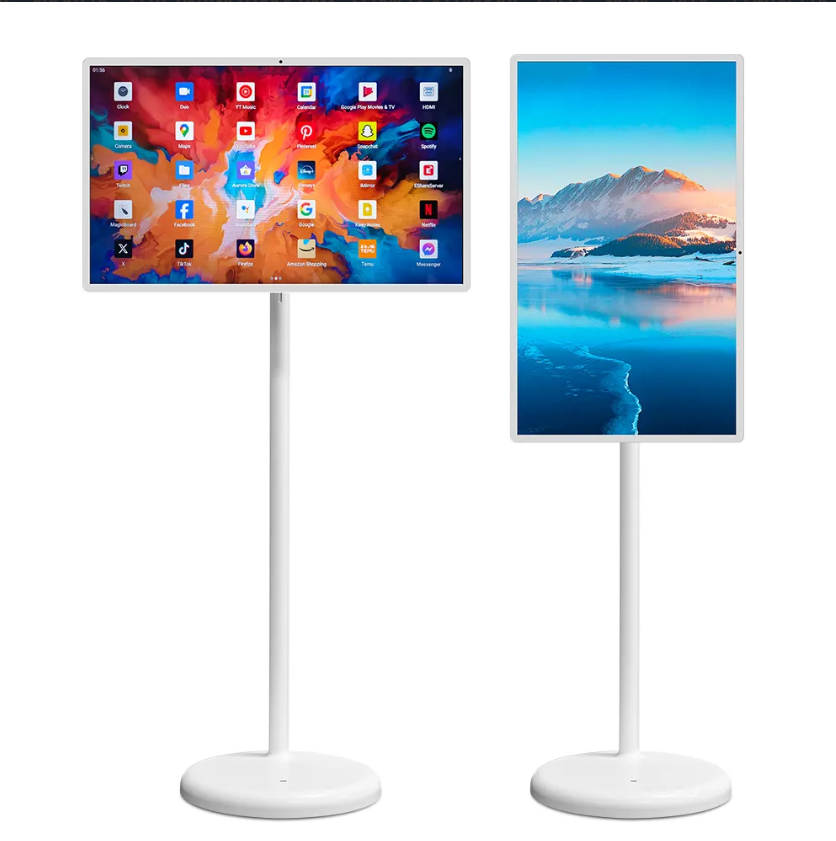
Research from CEIR shows that over 72% of visitors engage more with booths offering interactive digital experiences, signaling a shift toward technologies such as the large floor tablet, interactive display, and smart TV–based digital signage. These tools provide touch-enabled interfaces, dynamic content, and real-time guidance—features that align directly with the rising need for both engagement and clarity on the show floor.
For exhibitors managing high visitor density or large booth footprints, the gap between traditional display tools and modern expectations is becoming increasingly visible.
Why Large Interactive Tablets Solve the Engagement Problem
A large floor tablet or smart TV configured as an exhibition touch screen addresses the fundamental pain points of trade shows by enabling two-way information flow. Instead of broadcasting static information, exhibitors can provide an intuitive interface where visitors explore product catalogs, scan QR codes, interact with digital whiteboards, or watch demonstrations at their own pace.
These interactive systems also support multi-touch, 4K displays, anti-glare glass, and wide viewing angles, making them suitable for open exhibition spaces where lighting and foot traffic are unpredictable. Paired with cloud-based content management, teams can adjust product information or schedules instantly without reprinting materials—particularly useful for events spanning multiple days.
As a result, large interactive tablets function as both an information hub and a digital assistant, reducing staff load while boosting visitor engagement.
Beyond Trade Shows: Smart Education Displays as a Secondary Application
While exhibitions remain a primary use case, industries such as corporate training and education have also adopted similar devices as digital whiteboards and smart education displays. The same features that enhance trade show engagement—multi-touch interaction, mobility, dynamic content—support teaching, collaboration, and remote learning.
In training rooms, instructors can annotate documents, open models, or display multimedia content on a movable large floor tablet. In educational environments, students can use interactive whiteboard functions to solve problems or present ideas. This cross-industry flexibility is a valuable consideration for buyers who operate multi-purpose facilities.
Large Interactive Tablets vs. Projectors: A Practical Comparison
For years, projectors were the default presentation tool for booths and seminars. However, the rise of interactive tablets and smart TVs has changed the equation.
1. Visibility and Image Quality
-
Projectors: Washed-out images under strong lighting.
-
Large floor tablets: High brightness and 4K clarity even under spotlights.
2. Interactivity
-
Projectors: Require separate touch overlays or IR frames.
-
Interactive displays: Built-in touch capability, allowing natural pinch-zoom, swiping, or annotation.
3. Setup and Maintenance
-
Projectors: Require alignment, bulb replacements, and periodic recalibration.
-
Smart TVs / large tablets: Plug-and-play with minimal maintenance.
4. Footprint and Space Efficiency
-
Projectors: Need distance for throw and can be obstructed by people walking in front.
-
Floor-mounted tablets: Compact and unobstructed.
5. Content Management
-
Projectors: Often rely on laptops or external media players.
-
Interactive displays: Built-in OS (Android/Windows), enabling cloud sync and app-based content.
While projectors still make sense for large auditorium presentations, exhibitor environments favor mobile large screen devices that can handle heavy interaction without sacrificing clarity.
Real-World Scenarios: How Exhibitors Use Large Interactive Tablets
Guided Booth Navigation
At large booths where multiple product lines must be explained, a touch-enabled exhibition screen acts as an intuitive navigation center. Visitors can browse product categories, watch tutorials, or access technical specifications—reducing the need for constant staff intervention.
Interactive Demonstrations
Companies showcasing software solutions or digital workflows benefit from allowing visitors to try the interface themselves. A large floor tablet provides a stable surface for demos without needing a full workstation.
Lead Capture and Surveys
With built-in kiosk mode, exhibitors can collect visitor interests, allow newsletter sign-ups, or conduct quick product interest surveys—useful for post-event follow-up.
Real-Time Event Updates
A smart TV can display session schedules, speaker updates, and live announcements without needing to reprint materials.
Immersive Product Storytelling
Through 3D models, animations, or AR content, exhibitors can craft more memorable and interactive narratives around their products—especially effective for machinery, medical devices, or complex technology solutions.
Choosing the Right Large Floor Tablet Size
Selecting the ideal screen size depends on viewing distance, booth layout, and interaction density. Here are practical considerations:
27–32 inch
-
For compact booths or close-range demos
-
Ideal for single-user interactions
43–55 inch
-
Best balance of size and mobility
-
Suitable for multi-user interaction and mid-size booths
65–75 inch
-
High-impact displays
-
Recommended for entrance placements or immersive product storytelling
Mobility Requirements
If presenters need to move the tablet between zones, a floor stand with wheels or a tilt-adjustable frame enhances usability.
Durability and Safety
Trade shows involve constant foot traffic, so features like tempered glass, metal housing, and anti-tip design are essential.
The Future: Immersive and Data-Driven Exhibition Experiences
As digital adoption accelerates, interactive displays will serve not just as information points, but as integrated experience platforms. Several trends are shaping their future role:
AI-Driven Content Personalization
Future large tablets may adjust content based on visitor profiles or real-time behavior.
Hybrid and Phygital Events
Interactive screens will support both physical engagement and remote participation, linking global audiences to on-site activities.
Gesture and Voice Interaction
Touch will remain essential, but hands-free interactions are emerging, particularly in high-traffic environments.
Seamless Content Ecosystems
Brands will increasingly spread content across multiple devices—floor tablets, smartphones, digital signage—creating a unified informational journey.
A Natural Evolution of Visitor Engagement
Large interactive tablets and smart TVs have become central to modern exhibition environments because they solve a simple but critical challenge: how to deliver clear, engaging information in a fast-paced, high-density space. By combining mobility, interactivity, and visual clarity, these displays help exhibitors communicate complex stories more effectively—whether in product demos, navigation guidance, or immersive experiences.
As trade shows continue shifting toward digital-first engagement, interactive floor-mounted screens are emerging as a foundational tool that enhances both visitor experience and exhibitor efficiency
Table of Contents
- Evolving Expectations at Modern Trade Shows
- Why Large Interactive Tablets Solve the Engagement Problem
- Beyond Trade Shows: Smart Education Displays as a Secondary Application
- Large Interactive Tablets vs. Projectors: A Practical Comparison
- Real-World Scenarios: How Exhibitors Use Large Interactive Tablets
- Choosing the Right Large Floor Tablet Size
- The Future: Immersive and Data-Driven Exhibition Experiences
- A Natural Evolution of Visitor Engagement