

The Future of Workspace Management: From Whiteboards to Smart Tablets
Why Modern Workspaces Need Smarter Coordination
Today’s workplaces are more dynamic, hybrid, and distributed than ever before. Employees move between meeting rooms, collaboration zones, and remote work setups. Yet one problem persists across industries: outdated room-booking methods that fail to keep pace with modern workflows. Whiteboards with hand-written schedules, shared spreadsheets, and messy paper sign-in sheets often lead to double bookings, unused rooms, and miscommunication. As organizations scale, these inefficiencies grow—costing time, reducing productivity, and frustrating teams who simply need the right space at the right moment.
This shift has made meeting room management a strategic priority for corporate offices, universities, co-working spaces, and public institutions. The rise of digital scheduling and Meeting Reservation Tablets reflects a broader evolution toward smarter, more automated workplace operations.
How Meeting Reservation Tablets Solve Space Management Challenges
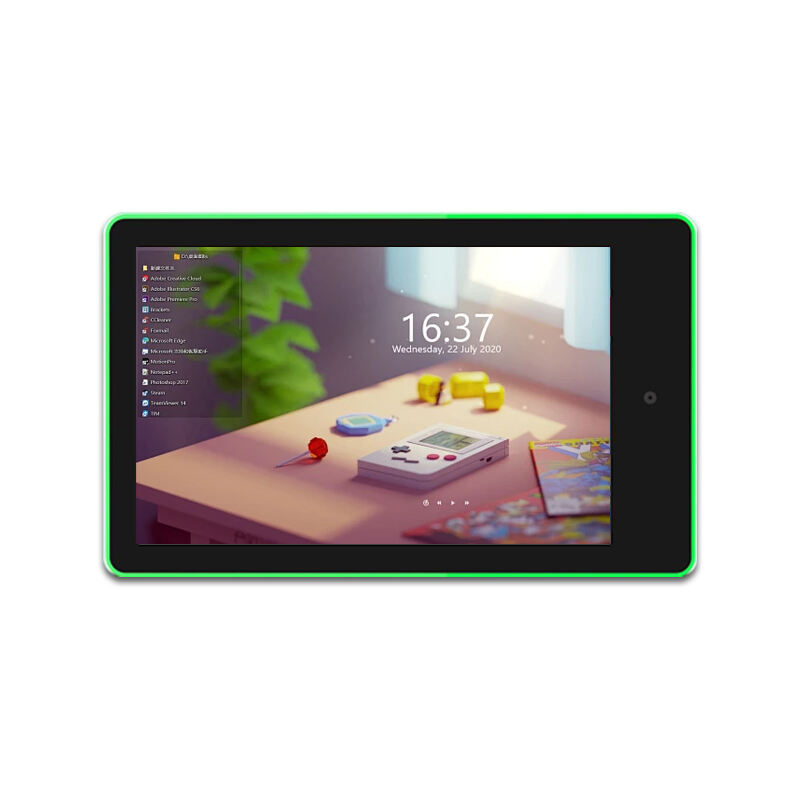
A Meeting Reservation Tablet mounted outside conference rooms or collaboration spaces acts as a centralized scheduling interface. These devices connect directly to corporate calendars and workspace management systems, updating availability in real time. With embedded LED indicators, touch controls, and occupancy tracking, they help eliminate guesswork and streamline room usage.
Whether used as a smart meeting room display, a room booking tablet outside conference rooms, or part of a broader workspace management solution, these devices offer a unified approach to scheduling. Organizations no longer rely on manual updates or hallway conversations—reservation data becomes visible, accurate, and instantly accessible.
Inside the Technology: Features Built for Modern Offices
The technology behind a room booking display tablet is designed around simplicity, speed, and reliability. The touchscreen interface allows employees to check availability, reserve the room for an immediate meeting, or confirm a prior booking with just a few taps. Integration with Microsoft 365, Google Workspace, and other scheduling systems ensures seamless synchronization.
Advanced deployments also include features like:
-
Real-time occupancy sensors for automatic check-in
-
Color-coded room status lights visible from a distance
-
Customizable access controls for restricted areas
-
Analytics dashboards showing room utilization trends
-
Cloud-based device management for facility teams
From a security standpoint, modern workspace reservation tablets incorporate encrypted communication, secure user authentication, and compliance-focused firmware. These safeguards are essential for enterprises handling sensitive meeting content or visitor data.
A Day in the Office with Smart Scheduling Tools
Imagine a busy corporate office on a Monday morning. Employees arrive for a full day of cross-team planning sessions. Instead of queuing at the front desk or checking multiple emails, they glance at the interactive meeting room display tablet outside each conference space. A red LED light indicates a room in use, green shows availability, and amber highlights an upcoming meeting.
An employee taps the display to book a quick 15-minute alignment session. Another team approaches their reserved room and taps “Check In” to confirm occupancy. Throughout the day, no-shows are automatically released, allowing spontaneous meetings to occur without confusion. In larger campuses, digital room signs for offices help new visitors navigate without assistance.
This hands-on interaction—simple, visual, and automated—illustrates how digital meeting room signage reshapes daily efficiency and improves the overall workplace experience.
Operational Efficiency and Measurable Impact
Organizations adopting meeting room booking tablets often see immediate improvements in space utilization. Studies from workplace analytics firms show that up to 40% of scheduled rooms go unused due to no-shows or miscommunication. Automated check-ins and real-time availability help reclaim those wasted hours.
Benefits frequently reported by users include:
-
Reduced scheduling conflicts
-
Higher meeting room occupancy rates
-
Lower administrative workload
-
Better alignment between distributed teams
Facility managers gain access to data that previously didn’t exist: peak hours, underutilized spaces, popular room sizes, and frequency of ad-hoc bookings. These analytics support smarter decisions around office layout, renovation planning, and investment in additional meeting zones.
Use Cases Across Industries and Office Models
While corporate headquarters are the most common adopters, the demand for smart meeting room tablets continues to expand across sectors:
-
Universities use them to manage seminar rooms, labs, and study spaces.
-
Government offices deploy them to track shared meeting facilities.
-
Co-working spaces rely on them to provide transparency and fairness for tenants.
-
Hotels and conference centers use them for event room coordination.
In each scenario, the value comes from a consistent and intuitive interface that reduces friction and improves space accountability.
Future Trends in Workspace Technology Adoption
As digital transformation accelerates, workspace management solutions are moving toward more automated, AI-driven environments. The next generation of meeting room reservation displays may include voice-enabled booking, facial recognition for secure check-ins, and predictive analytics that recommend optimal room layouts based on meeting type.
Hybrid work models will further push demand for enhanced coordination tools. Organizations will increasingly need meeting scheduling tablets that support remote collaboration tools, integrate with cloud-based conferencing systems, and communicate occupancy in real time across distributed teams.
Sustainability is another emerging focus. By optimizing room usage and reducing unnecessary energy consumption, smart meeting room displays contribute to greener office operations—an attractive benefit for ESG-conscious organizations.
The Long-Term Role of Smart Tablets in Workspace Management
The shift from manual whiteboards to digital scheduling represents more than a technology upgrade—it signifies a broader transformation in how organizations think about space, collaboration, and productivity. With their intuitive interfaces, real-time visibility, and powerful integrations, Meeting Reservation Tablets serve as a bridge between physical environments and digital workflows.
As offices evolve into more flexible and experience-driven spaces, tools that bring clarity, transparency, and efficiency will play an increasingly central role. Smart tablets—simple at first glance yet powerful beneath the surface—are positioned to remain foundational in shaping the modern workplace.
Table of Contents
- Why Modern Workspaces Need Smarter Coordination
- How Meeting Reservation Tablets Solve Space Management Challenges
- Inside the Technology: Features Built for Modern Offices
- A Day in the Office with Smart Scheduling Tools
- Operational Efficiency and Measurable Impact
- Use Cases Across Industries and Office Models
- Future Trends in Workspace Technology Adoption
- The Long-Term Role of Smart Tablets in Workspace Management