

Sustainability in Enterprise Tech: The Lifespan and Recyclability of Modern Tablets
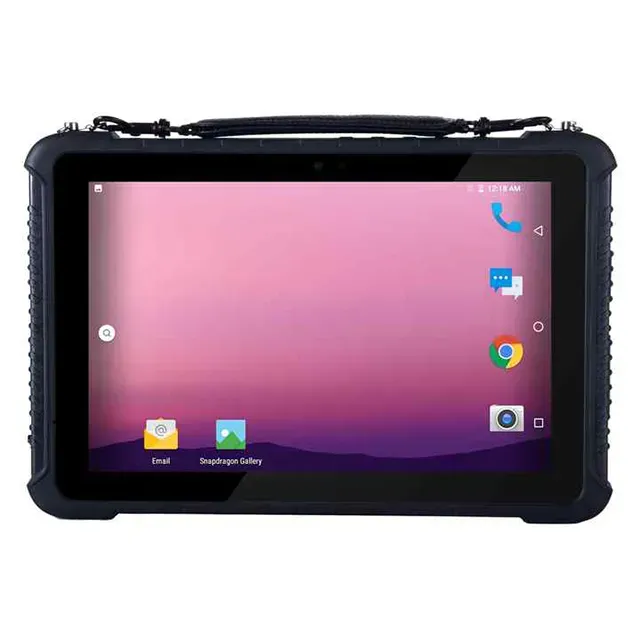
Why Sustainability Is Becoming a Hardware Procurement Priority
For years, enterprise technology purchasing focused primarily on:
- performance
- deployment cost
- compatibility
- operational efficiency
But across global industries, another factor is rapidly becoming part of enterprise procurement discussions:
Sustainability.
Today, corporate ESG initiatives are influencing how businesses evaluate:
- supply chains
- device lifecycle management
- material sourcing
- energy efficiency
- electronic waste reduction
And as companies expand their digital infrastructure, enterprise hardware is coming under greater environmental scrutiny.
For CSR leaders and enterprise procurement teams, the question is no longer simply:
“How powerful is the device?”
It is increasingly:
“How sustainable is this technology over its full lifecycle?”
The Hidden Environmental Cost of Short-Lifecycle Electronics
One of the biggest sustainability problems in enterprise technology is device replacement frequency.
Many consumer-grade electronics are designed around short refresh cycles:
- limited repairability
- fragile materials
- non-modular components
- declining long-term support
In commercial environments, this often leads to:
- higher e-waste generation
- frequent hardware disposal
- increased procurement turnover
- greater carbon impact from manufacturing replacement units
For enterprises managing hundreds or thousands of devices, hardware lifespan becomes a measurable sustainability metric.
This is especially important in industries deploying large fleets of:
- meeting room tablets
- warehouse terminals
- retail display systems
- industrial control panels
- healthcare information displays
The longer a device remains operational, the lower its lifecycle environmental impact.
Why Build Quality Now Matters Beyond Durability
Traditionally, build quality was associated mainly with reliability.
Today, it is also connected to sustainability strategy.
Higher-quality enterprise tablets typically offer:
- longer deployment cycles
- fewer replacements
- lower maintenance frequency
- reduced material waste
- more stable long-term operation
This changes the economics of enterprise hardware procurement.
A cheaper device that requires replacement every two years may ultimately generate:
- higher operational costs
- greater environmental waste
- more supply chain emissions
Meanwhile, commercial-grade tablets designed for extended deployment cycles can significantly reduce total lifecycle impact.
For ESG-focused organizations, durability is becoming part of responsible procurement.
The Role of Aluminum Alloy Construction in Sustainable Device Design
One major shift in commercial tablet manufacturing is the growing use of aluminum alloy structures.
Compared with lower-cost plastic-heavy designs, aluminum alloy tablet housings provide several sustainability advantages.
1. Longer Product Lifespan
Aluminum alloy structures generally offer:
- better impact resistance
- improved structural stability
- reduced deformation over time
- greater heat dissipation efficiency
This helps enterprise tablets remain operational longer in demanding commercial environments.
For businesses, extended hardware lifespan directly reduces replacement frequency.
2. Improved Recyclability
Aluminum is one of the world’s most recyclable industrial materials.
Unlike certain mixed-material plastic structures, aluminum components can often be recovered and reused more efficiently during recycling processes.
This supports:
- circular manufacturing initiatives
- reduced raw material demand
- lower long-term environmental impact
For enterprises reporting ESG metrics, recyclable hardware materials are becoming increasingly relevant in procurement evaluations.
3. Reduced Long-Term Waste Generation
When devices survive longer and are easier to recycle, businesses generate less electronic waste over time.
This becomes especially important for organizations deploying:
- large office tablet networks
- retail self-service systems
- industrial display terminals
- enterprise collaboration devices
At scale, even small improvements in device longevity can significantly reduce overall hardware disposal volumes.
Why Enterprise Tablets Fit Sustainability Goals Better Than Consumer Devices
Consumer electronics are often optimized for rapid market turnover.
Enterprise tablets, however, are increasingly designed around:
- long deployment cycles
- continuous operation
- centralized management
- commercial durability
- maintainable infrastructure
This creates several sustainability advantages.
Lower Replacement Frequency
Commercial tablets designed for enterprise environments often remain in operation far longer than consumer-grade alternatives.
Fewer replacements mean:
- lower procurement emissions
- reduced logistics impact
- less packaging waste
- smaller disposal volumes
Centralized Device Management
Enterprise Android tablet ecosystems allow organizations to:
- remotely manage updates
- extend operational usability
- reduce unnecessary hardware retirement
- optimize device allocation
Efficient lifecycle management is becoming a key component of sustainable IT operations.
Multi-Scenario Deployment Reduces Redundant Hardware
Modern enterprise tablets increasingly support multiple business functions, including:
- meeting room scheduling
- retail interaction
- warehouse operations
- industrial dashboards
- visitor management
This “one-device-multiple-workflows” model helps companies reduce hardware fragmentation across departments.
And fewer specialized devices often means lower overall hardware consumption.
Sustainability Is Becoming Part of Enterprise Technology Strategy
Corporate sustainability goals are no longer isolated within environmental reporting departments.
Today, ESG objectives increasingly influence:
- procurement policies
- infrastructure planning
- vendor selection
- IT lifecycle management
For CSR officers and enterprise decision-makers, technology purchasing now intersects directly with:
- waste reduction targets
- carbon accountability
- circular economy initiatives
- long-term operational efficiency
As a result, businesses are paying closer attention to how enterprise hardware is designed, maintained, and eventually recycled.
Commercial Tablet Solutions Designed for Long-Term Enterprise Deployment
At UHopestar, commercial Android tablet solutions are designed with enterprise deployment durability and long-term operational stability in mind.
Across categories such as:
- conference room tablets
- wall-mounted commercial displays
- industrial Android tablets
- smart office systems
- retail self-service terminals
commercial-grade hardware design helps businesses improve deployment longevity while supporting more sustainable infrastructure planning.
With durable aluminum alloy construction, enterprise Android compatibility, and scalable deployment flexibility, long-lifecycle tablet ecosystems can contribute to both operational efficiency and broader ESG initiatives.
Final Thoughts
Sustainability in enterprise technology is no longer limited to energy-efficient servers or carbon-neutral facilities.
It now includes the everyday hardware businesses deploy across offices, warehouses, hospitals, and commercial environments.
As organizations pursue long-term ESG goals, tablet lifespan, material recyclability, and deployment durability are becoming increasingly important procurement considerations.
Because in the future of enterprise technology, build quality is not only about performance.
It is also about responsibility.