

GMS Certified Android 14 Tablets: Ensuring Seamless App Deployment for World Cup Ticketing Systems
When Ticket Verification Speed Becomes a Critical Part of the Fan Experience
For global sporting events, ticket validation is no longer a simple entry process. Organizers must manage tens of thousands of attendees within short periods while ensuring security, accuracy, and smooth crowd movement. A delay of only a few seconds at each entrance can quickly lead to long queues, operational disruptions, and a poor visitor experience.
One international event technology provider faced this challenge while preparing a large-scale football tournament ticketing deployment. Their objective was not only to verify tickets efficiently but also to ensure that custom-developed applications could run reliably across every checkpoint. This requirement led them to invest in a new generation of GMS Certified Android Tablets and build their infrastructure around a scalable Wall-Mount Android Tablet platform.
Expanding Stadium Operations Required More Than Traditional Ticketing Hardware
The client was responsible for deploying ticket validation systems across multiple stadiums, VIP entrances, media access zones, and service areas. Their software team had developed proprietary ticket authentication applications designed to integrate with access control systems, visitor databases, and venue management platforms.
However, previous projects revealed several challenges. Different hardware vendors used different Android versions, software compatibility varied between devices, and application updates often required extensive testing before deployment.
As event traffic increased, the organization needed a unified Digital Ticketing Tablet solution capable of supporting thousands of simultaneous validations without introducing software-related risks.
The team knew that selecting the wrong hardware platform could jeopardize the performance of the entire ticketing ecosystem.
Why Legacy Devices Could Not Support Modern Event Requirements
Before launching the new project, the company relied on a combination of traditional scanning terminals and consumer-grade Android devices.
While functional, these systems created ongoing operational challenges.
Software updates frequently behaved differently across devices. Some units lacked proper support for Google services, while others experienced compatibility issues after operating system updates. Troubleshooting became increasingly complex because every device configuration required separate management.
More importantly, the organization wanted to deploy new features rapidly throughout the tournament. Their existing infrastructure simply could not support the speed and flexibility required.
For a high-profile event, relying on fragmented hardware was becoming an unacceptable risk.
Comparing Available Options Before Deployment
The technical team evaluated several hardware solutions before making a final decision.
Dedicated ticketing terminals offered reliability but limited flexibility for future software enhancements.
Some low-cost Android devices appeared attractive from a procurement perspective, but concerns quickly emerged regarding long-term support, application compatibility, and security updates.
The team also examined alternative operating systems but found that enterprise application deployment and remote device management options were more restrictive than required.
After extensive testing, the company concluded that a GMS Certified Android Tablet running Android 14 provided the most balanced combination of software compatibility, security, scalability, and deployment flexibility.
Why Android 14 and GMS Certification Became Key Decision Factors
The decision was driven by more than hardware specifications.
Because the ticketing platform relied on custom-developed software, the organization needed confidence that applications would function consistently across every location.
By choosing an Android 14 Tablet platform with Google Mobile Services certification, the team gained access to a stable application ecosystem, enhanced security frameworks, and streamlined deployment processes.
The solution also simplified remote software distribution, device monitoring, and future upgrades.
For system integrators managing large-scale events, GMS certification reduced uncertainty and ensured that every Ticket Verification Tablet operated within a standardized software environment.
This consistency became one of the project's most valuable advantages.
Building a Smart Venue Infrastructure with Wall-Mount Tablets
Deployment began several months before the tournament.
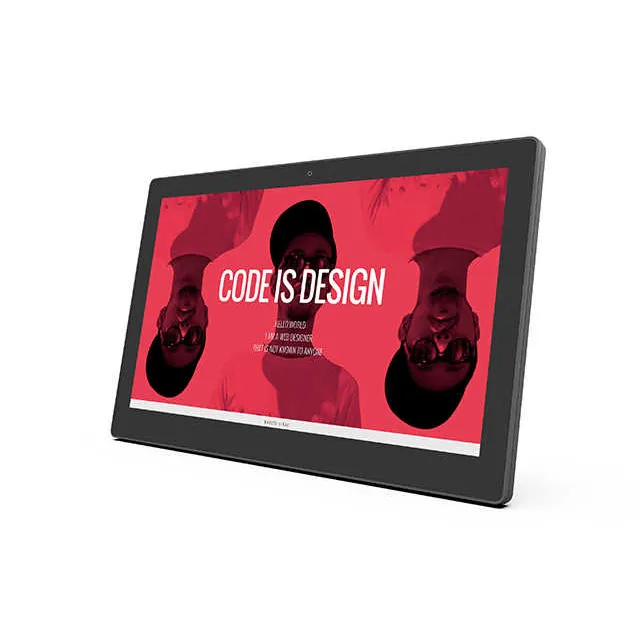
Hundreds of Wall-Mount Android Tablets were installed throughout stadium facilities. These devices were strategically positioned at entrance gates, credential verification stations, VIP access points, and visitor service counters.
Each Event Access Control Tablet connected directly to centralized ticketing databases and authentication systems.
When visitors arrived, staff could instantly validate QR codes, confirm ticket status, and verify access permissions. The system automatically synchronized with venue management software, ensuring real-time updates across all checkpoints.
Because every device shared the same operating environment, administrators could manage the entire deployment through a centralized platform, significantly reducing maintenance complexity.
Handling Peak Traffic Without Interrupting Operations
The true test came during match days.
Large crowds arrived within short timeframes, creating intense pressure on ticket validation systems.
Thanks to the optimized Android 14 environment, every Ticket Validation Tablet maintained stable performance even during periods of maximum demand.
Event operators reported smoother checkpoint operations, faster entry processing, and significantly fewer software-related disruptions.
The combination of high-performance hardware and a unified software ecosystem enabled staff to focus on crowd management rather than technical troubleshooting.
This reliability was especially important during peak entry periods when operational delays could affect thousands of attendees.
Operational Improvements Beyond Ticket Scanning
The benefits extended well beyond faster entry processing.
The organization discovered that a standardized Smart Venue Tablet infrastructure simplified almost every aspect of device management.
Software updates could be distributed remotely across multiple venues. Security patches were applied more efficiently. Device health monitoring became easier, and technical support teams spent less time resolving compatibility issues.
The company also began using the same Event Management Tablet infrastructure for visitor information services, event registration functions, and operational communications.
As a result, the tablet deployment evolved from a ticket validation project into a broader digital venue management platform.
Results That Strengthened Future Event Deployments
Following the tournament, the organization reported measurable operational improvements.
Ticket processing speeds increased significantly during high-traffic periods.
System uptime exceeded 99.9% throughout the event schedule.
Software deployment times were reduced because every device operated within the same ecosystem.
Technical support requests related to application compatibility dropped substantially.
Most importantly, visitors experienced faster and smoother venue access, helping organizers maintain efficient crowd flow across multiple stadiums.
The success of the project established a new standard for future event technology deployments.
What Ticketing Integrators Can Learn from This Project
As international sporting events continue to embrace digital transformation, hardware decisions are becoming increasingly strategic.
A modern ticketing platform requires more than scanning capability. It needs software stability, secure application deployment, centralized management, and long-term scalability.
This case demonstrates why many system integrators are adopting Wall-Mount Android Tablets as the foundation of their venue technology infrastructure. By combining the advantages of an Android 14 Tablet platform with the reliability of a GMS Certified Android Tablet, organizations can create a future-ready solution capable of supporting high-volume events, complex software ecosystems, and evolving operational requirements.
For ticketing providers, stadium operators, and venue technology teams, the lesson is clear: the right tablet platform can become a critical component of event success.
Table of Contents
- When Ticket Verification Speed Becomes a Critical Part of the Fan Experience
- Expanding Stadium Operations Required More Than Traditional Ticketing Hardware
- Why Legacy Devices Could Not Support Modern Event Requirements
- Comparing Available Options Before Deployment
- Why Android 14 and GMS Certification Became Key Decision Factors
- Building a Smart Venue Infrastructure with Wall-Mount Tablets
- Handling Peak Traffic Without Interrupting Operations
- Operational Improvements Beyond Ticket Scanning
- Results That Strengthened Future Event Deployments
- What Ticketing Integrators Can Learn from This Project