

OLED vs. LCD: Choosing the Right Display Technology for Medical Imaging
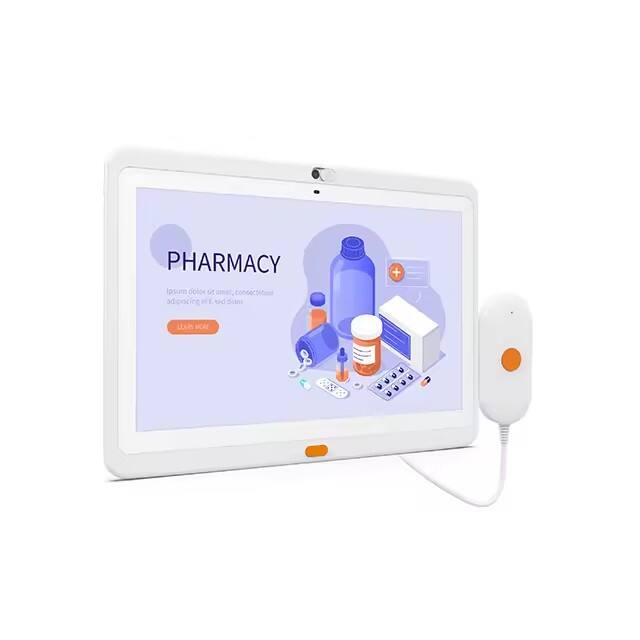
When Display Accuracy Becomes a Clinical Decision Factor
In modern healthcare environments, the accuracy of medical imaging is directly tied to patient outcomes. Doctors and clinicians rely heavily on visual data—from X-rays to CT scans—to make precise diagnoses. However, many hospitals still use outdated medical display tablets or monitors that struggle with limited contrast, poor color accuracy, and inconsistent brightness.
These limitations can lead to misinterpretation of critical details. As healthcare systems evolve toward digital workflows, choosing between OLED vs LCD medical display technologies has become a crucial decision. For many institutions, upgrading to a high-performance medical imaging tablet is no longer optional—it is essential.
A Growing Hospital Network Facing Imaging Challenges
A regional hospital group managing multiple facilities sought to modernize its diagnostic infrastructure. Their goal was to deploy a unified hospital monitoring tablet solution across patient rooms, radiology departments, and clinical workstations.
They needed a healthcare display tablet capable of delivering high-resolution imaging, accurate color reproduction, and seamless integration with hospital IT systems. Additionally, the solution had to function as both a patient monitoring display and a diagnostic support tool for clinicians.
The Problem with Legacy LCD-Based Displays
Before upgrading, the hospital relied on conventional LCD-based systems. While functional, these displays revealed several limitations:
- Insufficient contrast made it difficult to distinguish subtle variations in imaging
- Limited color accuracy affected diagnostic confidence
- Brightness inconsistencies reduced visibility in different lighting conditions
- Separate systems for monitoring and imaging increased hardware complexity
Even with standard clinical display tablets, the lack of advanced display performance prevented doctors from achieving optimal diagnostic accuracy.
Evaluating OLED vs LCD in Medical Applications
During the evaluation process, the hospital compared OLED vs LCD medical display technologies in real clinical scenarios.
LCD displays offered affordability and stability but struggled with deep blacks and contrast precision. OLED displays, on the other hand, provided:
- Superior contrast ratios for clearer imaging
- True black levels, improving detail recognition
- Enhanced color accuracy for medical visualization
- Faster response times for real-time data display
For a diagnostic display tablet, these advantages translated directly into better clinical decision-making.
Why Advanced Medical Monitoring Tablets Were Selected
The hospital ultimately selected a new generation of medical monitoring tablets equipped with high-performance display panels.
Key reasons included:
- High contrast medical display tablet capability for improved image clarity
- Color accurate medical tablet display for precise diagnostics
- Integration with electronic health records via a healthcare IT tablet solution
- Multi-functional use as both a hospital bedside display tablet and imaging tool
These tablets were deployed as part of a broader smart hospital tablet strategy, unifying patient data visualization and diagnostic workflows.
Deployment Across Clinical Environments
The solution was implemented across multiple hospital areas:
- Radiology departments, where radiology display tablet solutions improved imaging analysis
- Patient rooms, using hospital room monitoring tablets for real-time data visualization
- Nurse stations, leveraging clinical workflow display tablets for faster coordination
Doctors could now review imaging results on a high resolution medical tablet while simultaneously accessing patient records and clinical notes.
Measurable Improvements in Accuracy and Efficiency
Following deployment, the hospital reported significant improvements:
- Diagnostic accuracy improved due to better medical imaging accuracy display
- Time to review and interpret images decreased by 30%
- Workflow efficiency increased with integrated medical data visualization tablets
- Hardware redundancy reduced by consolidating multiple systems into one device
By adopting a medical-grade Android tablet display, the hospital enhanced both clinical outcomes and operational efficiency.
Feedback from Medical Professionals
“The difference in display quality is immediately noticeable,” said a senior radiologist. “With higher contrast and more accurate colors, we can identify details that were previously difficult to see. It directly improves our confidence in diagnosis.”
What This Means for Healthcare Decision-Makers
This case highlights an important shift in healthcare technology: display performance is no longer just a hardware feature—it is a clinical requirement.
For hospitals and healthcare providers evaluating medical display tablets, the choice between OLED and LCD should be guided by diagnostic needs, not just cost. A high-quality clinical display tablet can significantly enhance imaging accuracy, streamline workflows, and improve patient care outcomes.
As digital healthcare continues to evolve, investing in advanced healthcare display tablet solutions will play a critical role in building smarter, more efficient medical environments.
Table of Contents
- When Display Accuracy Becomes a Clinical Decision Factor
- A Growing Hospital Network Facing Imaging Challenges
- The Problem with Legacy LCD-Based Displays
- Evaluating OLED vs LCD in Medical Applications
- Why Advanced Medical Monitoring Tablets Were Selected
- Deployment Across Clinical Environments
- Measurable Improvements in Accuracy and Efficiency
- Feedback from Medical Professionals
- What This Means for Healthcare Decision-Makers