

Smart Home Tablets: Centralizing Control for Modern Living
The Growing Complexity of Connected Homes
In recent years, smart home adoption has accelerated across global markets. Households now use a mix of connected lighting systems, smart HVAC units, energy monitors, home-security devices, entertainment equipment, and voice-controlled assistants. Yet as the number of devices grows, so does the complexity of managing them. Many homeowners find themselves switching between multiple apps, dashboards, and interfaces—each with its own ecosystem, compatibility requirements, and learning curve.
This fragmentation highlights a key challenge: how to unify different smart devices into a single, reliable interface. Industry research shows that more than 40% of users struggle with interoperability between brands, while integrators report that configuration and troubleshooting remain resource-intensive. These realities are driving demand for a centralized solution, making the smart home tablet an emerging standard for home automation management.
A Unified Interface for Multi-Brand Smart Ecosystems
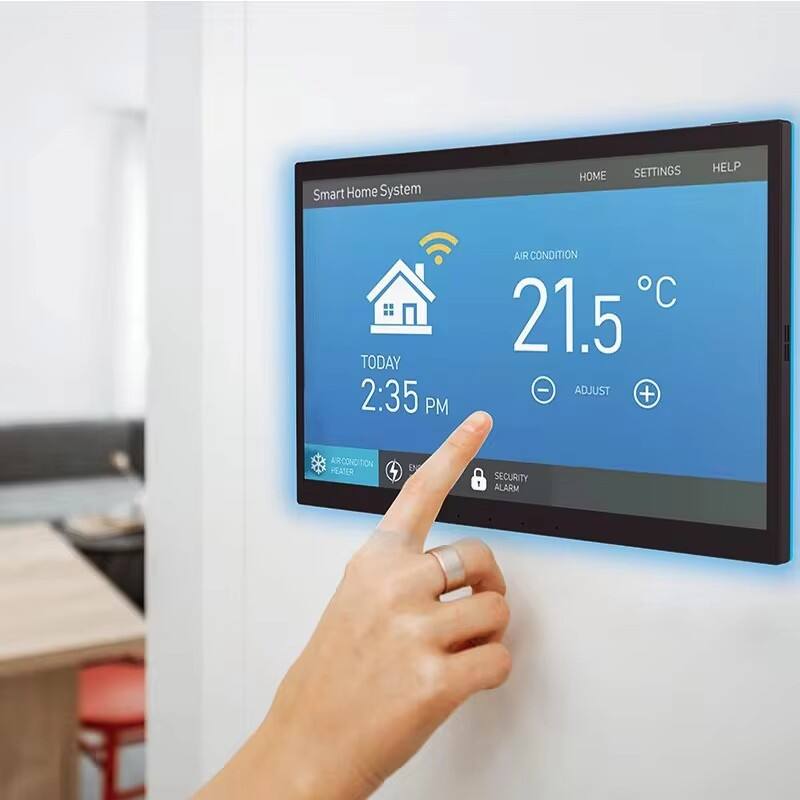
The core value of a smart home tablet lies in its role as a home automation control panel—a single touch interface that brings together lighting, climate, security, entertainment, and IoT appliances. Unlike mobile phones, which are personal devices, a centralized IoT control screen remains fixed in a common area, ensuring shared access for family members or tenants.
Modern home automation platforms increasingly support cross-brand protocols such as Matter, Zigbee, Z-Wave, or Wi-Fi IoT standards. A smart home tablet acts as a smart display hub, bridging multiple ecosystems and reducing the friction caused by proprietary control apps.
For B2B buyers—such as property developers, home automation integrators, and smart home installers—this centralization reduces project complexity and leads to more consistent user experiences. It also supports long-term maintainability, allowing firmware updates and automation workflows to remain unified instead of distributed across scattered devices.
Inside the Technology: Features That Elevate the Experience
Today’s smart home tablets do more than serve as schedule boards or device toggles; they combine multiple functions into one compact interface. Common features include:
-
Multi-protocol connectivity for broad IoT integration
-
Voice assistant integration (e.g., Google Assistant, Alexa, or proprietary AI assistants)
-
High-brightness interactive displays designed for visibility in varied indoor lighting
-
Local scene automation stored directly on the device for faster response times
-
User permission controls for shared households or rental units
-
Wall-mounted or tabletop installation options
-
Energy usage dashboards displaying real-time consumption metrics
These capabilities help transform a smart home tablet into a reliable command center for modern living environments. The ability to control large numbers of devices through a single touchscreen reduces cognitive load and streamlines everyday operations such as adjusting lighting scenes, setting temperature schedules, or checking room occupancy.
Everyday Scenarios That Highlight Practical Value
Consider a multi-room apartment where each space has its own lighting modes, thermostats, and security sensors. Without a centralized interface, residents and property managers would need to rely on mobile apps or voice commands—useful, but often inconsistent for shared environments.
With a smart home tablet installed in the hallway or living room, daily routines become intuitive:
-
A single tap activates a “Good Morning” scene that opens motorized curtains, adjusts the temperature, and starts music playback.
-
When leaving the home, users tap “Away Mode,” which locks doors, turns off lights, lowers energy consumption, and arms security sensors.
-
Guests or children can control common devices without needing access to personal phones or passwords.
-
Energy dashboards give households visibility into peak usage, helping reduce utility costs.
For B2B buyers working in serviced apartments, senior living facilities, or smart rental properties, these operational improvements translate into better tenant experience and easier maintenance. A centralized control panel ensures consistency, even as smart home ecosystems continue to expand.
Efficiency Gains and Operational Benefits
From a cost and efficiency perspective, smart home tablets offer measurable advantages. Integrators note that centralized dashboards reduce the time required for system setup, troubleshooting, and user onboarding. When IoT devices are controlled through a unified interface, the frequency of service calls related to “confusing apps” or “inconsistent controls” drops significantly.
The tablet’s local processing capability also reduces dependency on cloud connectivity. Automations continue to function smoothly even during temporary network outages, improving the reliability of lighting, climate control, or security functions.
Energy management is another compelling benefit. With more homes adopting solar systems, battery storage, or smart meters, a tablet-based interface helps visualize consumption patterns, peak load periods, and device-level energy usage. This transparency supports more sustainable living and contributes to long-term cost optimization.
Security Considerations for Centralized Smart Home Management
As IoT ecosystems expand, security becomes a primary concern. A smart home tablet serves as a dedicated secure access point, enabling robust safety features:
-
Encrypted communication protocols
-
Local authentication options (PIN, biometrics, user profiles)
-
Permission-based access for guests or children
-
Secure firmware and OTA updates managed through a centralized interface
-
Isolated networks for IoT devices
Properly configured, a dedicated home automation control panel minimizes risks typically associated with shared mobile apps or cloud-only controls. B2B buyers—especially those in hospitality, rental housing, and corporate living spaces—benefit from the stability and safety of a standalone control station.
How Voice Assistant Integration Enhances System Flexibility
While voice assistants have become increasingly popular, they are not always suitable as the sole method of smart home management. Background noise, misinterpretations, and privacy concerns can limit voice-only interactions. Integrating voice with a smart home tablet creates a hybrid system that gives users both visual control and hands-free convenience.
In homes where multiple brands coexist—smart lights from one vendor, appliances from another, and HVAC from a third—a tablet serves as the unified interface while the voice assistant provides quick commands for common actions. This synergy enhances usability across a broader range of devices and preferences.
Future Trends Shaping the Evolution of Smart Home Tablets
The next generation of smart home tablets will reflect broader industry trends in home automation. Expected developments include:
-
Adaptive AI automation that learns behavior patterns
-
More advanced energy dashboards driven by real-time analytics
-
Context-aware interfaces that adjust based on who is interacting with the tablet
As households continue to add more connected devices, demand for centralized management tools will grow accordingly. Smart home tablets are poised to evolve into intelligent home hubs capable of orchestrating environments dynamically based on user intent, schedule patterns, and energy optimization goals.
A Central Role in the Future of Connected Living
Smart homes are moving toward greater complexity, with growing expectations for efficiency, convenience, and interoperability. With their ability to unify diverse IoT ecosystems, streamline device management, and provide intuitive interaction for all household members, smart home tablets are becoming a foundational interface for connected living.
As the industry continues to mature, these tablets will serve as essential touchpoints—bringing clarity, control, and reliability to the increasingly interconnected environments of modern homes
Table of Contents
- The Growing Complexity of Connected Homes
- A Unified Interface for Multi-Brand Smart Ecosystems
- Inside the Technology: Features That Elevate the Experience
- Everyday Scenarios That Highlight Practical Value
- Efficiency Gains and Operational Benefits
- Security Considerations for Centralized Smart Home Management
- How Voice Assistant Integration Enhances System Flexibility
- Future Trends Shaping the Evolution of Smart Home Tablets
- A Central Role in the Future of Connected Living