

From Construction Sites to Hospitals: Top 5 Use Cases for Android 16 Tablets
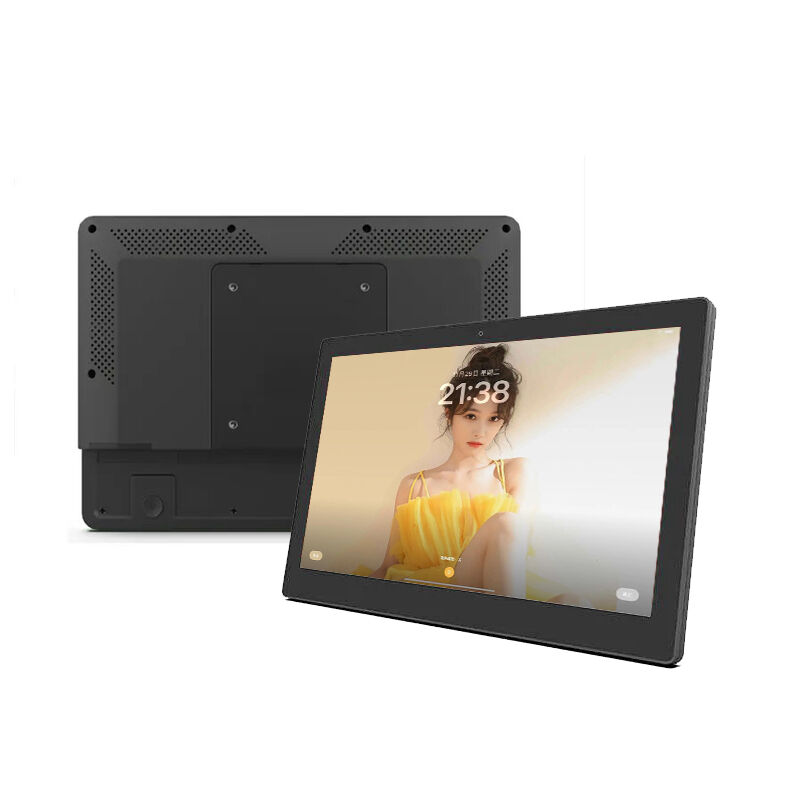
Why Enterprise Mobility Is Entering a New Phase
For years, businesses deployed different hardware for different operational tasks.
Construction teams used rugged terminals.
Retail stores relied on POS screens.
Hospitals invested in medical workstations.
Warehouses deployed industrial handhelds.
But as enterprise workflows become increasingly cloud-connected and mobile-first, many companies are rethinking that fragmented hardware strategy.
The rise of Android 16 enterprise tablets is accelerating a major shift:
? one flexible device platform supporting multiple operational environments.
For system integrators and solution architects, this trend matters because hardware standardization can significantly reduce:
- deployment complexity
- maintenance costs
- software compatibility issues
- long-term device management overhead
More importantly, Android 16 optimization is making modern enterprise tablets more adaptable across industries than ever before.
Why Android 16 Matters for Enterprise Tablets
The latest generation of Android enterprise systems is no longer focused only on consumer usability.
Android 16 introduces improvements that directly benefit commercial deployments, including:
- Better multi-tasking performance
- Enhanced security management
- Improved enterprise device enrollment
- Smarter power optimization
- Better external device compatibility
- More stable kiosk-mode operation
- Enhanced AI-assisted workflow support
For commercial tablet deployments, these upgrades improve operational consistency across different environments.
This is especially valuable for businesses managing large-scale device fleets across multiple departments or locations.
The Shift Toward Multi-Scenario Hardware Deployment
One of the biggest changes happening in enterprise mobility is the move toward “one-device-multiple-workflows.”
Instead of purchasing:
- separate warehouse terminals
- dedicated meeting room panels
- standalone POS systems
- isolated medical tablets
many businesses are adopting flexible Android tablet ecosystems that can support multiple operational roles.
The result:
- lower hardware investment
- simplified IT management
- easier software deployment
- reduced employee training complexity
For integrators, this creates a major opportunity to design scalable cross-industry solutions around Android 16 tablets.
1. Construction Sites: Rugged Mobility for Field Coordination
Construction environments are highly demanding for mobile hardware.
Devices are constantly exposed to:
- dust
- vibration
- outdoor lighting
- unstable weather conditions
- frequent movement between teams
Modern rugged Android 16 tablets help construction companies improve:
- project communication
- digital blueprint access
- equipment inspections
- workforce coordination
- real-time reporting
With industrial-grade durability and improved battery optimization, Android 16 tablets are increasingly replacing paper-based workflows and fragile consumer devices on job sites.
For large infrastructure projects, mobile access to real-time data can significantly improve operational visibility.
2. Hospitals: Mobile Healthcare Workflows
Healthcare environments require mobility without compromising reliability.
Medical staff increasingly rely on tablets for:
- patient check-ins
- digital records access
- bedside communication
- telemedicine support
- medical imaging review
- nurse station coordination
Android 16 enterprise tablets provide:
- fast application switching
- secure device management
- stable connectivity
- flexible peripheral integration
For hospitals and clinics, standardized tablet deployments also simplify long-term IT administration across departments.
As healthcare systems continue digitizing operations, mobile tablet ecosystems are becoming critical workflow infrastructure.
3. Smart Warehouses: Real-Time Logistics Coordination
Warehouse operations are becoming increasingly data-driven.
Android 16 tablets now support:
- barcode scanning
- RFID workflows
- WMS synchronization
- forklift task management
- inventory visibility
- route optimization
Compared with traditional fixed terminals, mobile industrial tablets improve workforce flexibility while reducing operational bottlenecks.
For logistics operators managing high-volume fulfillment environments, this directly impacts:
- picking speed
- inventory accuracy
- outbound efficiency
The ability to deploy the same Android ecosystem across warehouses, retail operations, and logistics fleets also simplifies enterprise software management.
4. Retail & Self-Service Environments
Retail digitalization is expanding far beyond traditional POS systems.
Modern Android tablets are now deployed for:
- self-service kiosks
- digital signage
- interactive ordering systems
- customer check-in terminals
- queue management
- smart shelf interaction
Android 16 optimization improves:
- display responsiveness
- remote device control
- application stability
- long-duration operation
For retail system integrators, using one Android tablet platform across multiple customer touchpoints reduces integration complexity and lowers total deployment costs.
5. Manufacturing & Industrial Automation
Factories are increasingly integrating tablets into production workflows.
Android 16 industrial tablets now support:
- machine monitoring
- production reporting
- equipment diagnostics
- maintenance workflows
- quality inspection systems
- industrial IoT dashboards
Compared with legacy industrial terminals, modern Android tablets offer:
- more flexible software environments
- easier UI customization
- faster deployment cycles
- lower hardware replacement costs
This flexibility is becoming especially important in smart factory transformation projects.
Why System Integrators Prefer Unified Android Tablet Ecosystems
For solution architects, the real advantage is not simply hardware versatility.
The bigger value is ecosystem consistency.
When businesses standardize around Android 16 tablets, they simplify:
- application deployment
- device provisioning
- remote management
- accessory compatibility
- software maintenance
- employee onboarding
Instead of managing isolated device categories for every department, companies can create scalable enterprise mobility infrastructures around a unified platform.
That dramatically improves operational scalability.
Enterprise Android Tablets Designed for Multi-Industry Deployment
At UHopestar, enterprise Android tablet solutions are designed to support a wide range of commercial deployment scenarios, including:
- Industrial operations
- Smart healthcare
- Retail digitalization
- Smart warehousing
- Self-service systems
- Enterprise meeting environments
With Android 16 compatibility, commercial-grade durability, and flexible integration capabilities, enterprise tablets are becoming increasingly valuable for businesses seeking scalable mobility solutions across industries.
Final Thoughts
The future of enterprise mobility is no longer about deploying different devices for every workflow.
It is about building flexible, scalable ecosystems capable of adapting across industries.
From construction sites to hospitals, Android 16 tablets are helping businesses reduce hardware fragmentation while improving operational efficiency.
And for system integrators designing next-generation digital infrastructure, that flexibility is becoming a major competitive advantage.