

cases
- Meeting Reservation Tablet
- Advertising Display Tablet
- Restaurant Ordering Tablet
- Stand By Me TV(Big Tablet)
- Smart Home Tablet
- Medical Monitoring Tablet
- Industrial Tablet
- Rugged Tablet
Have any questions?
Please feel free to contactus. We will get back to you as soon as.
+86-13501581295 +86-13501581295 [email protected]
Smart Apartment Integration: How Uhopestar Control Panels Support Building-Wide Zigbee Management
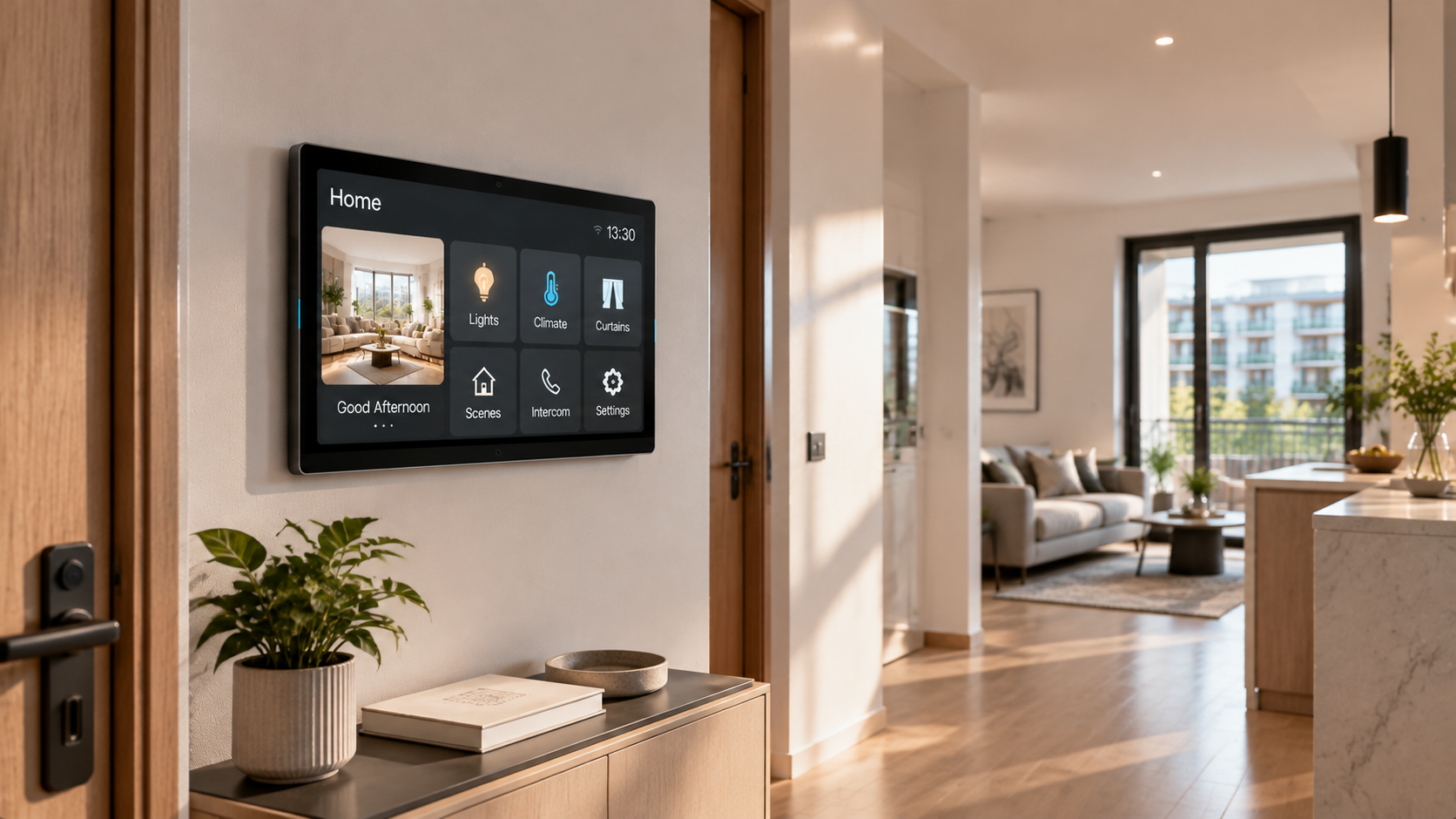
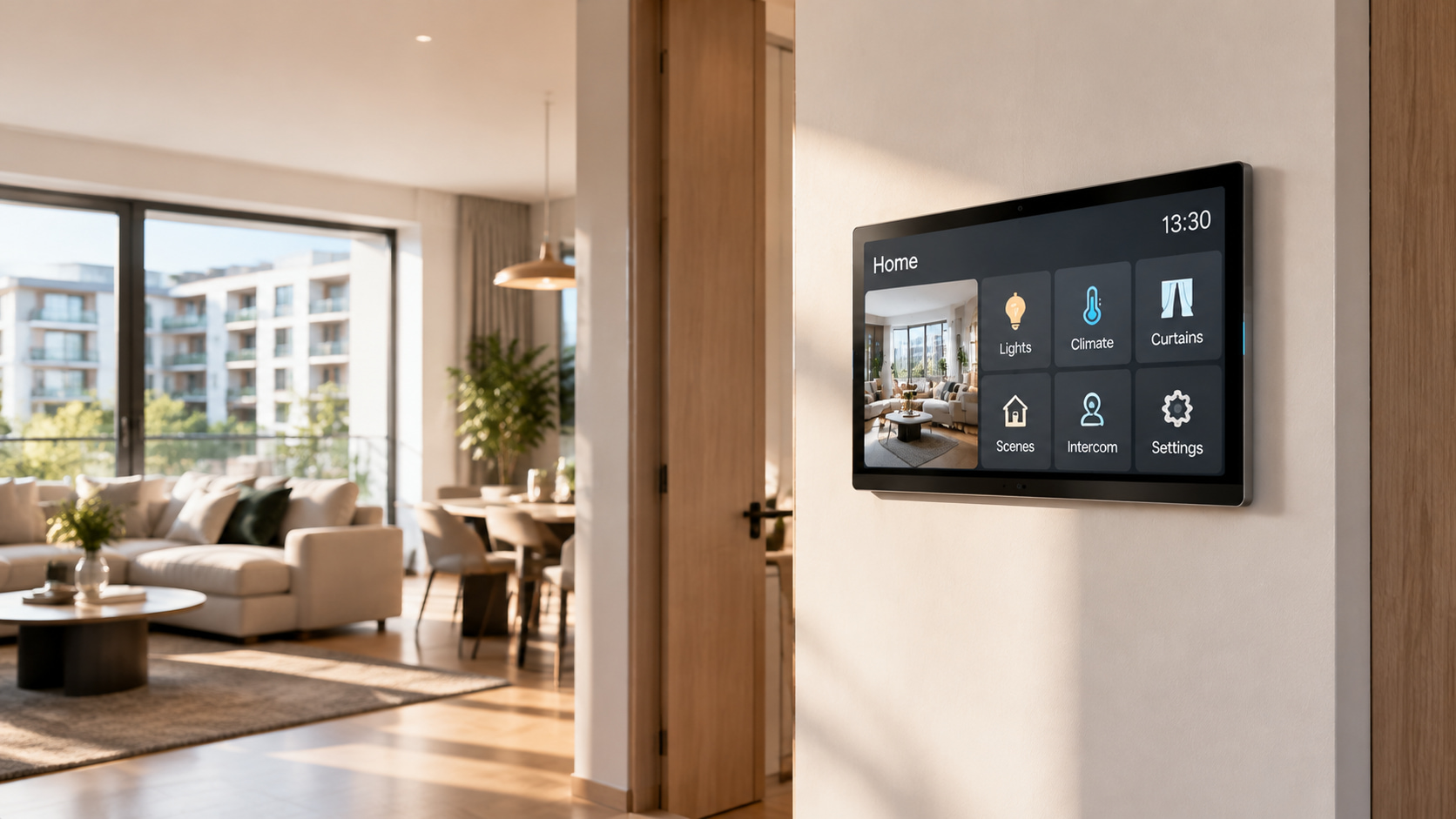
Managing a single smart apartment is straightforward. Managing multiple buildings with hundreds of apartments is much more complex.
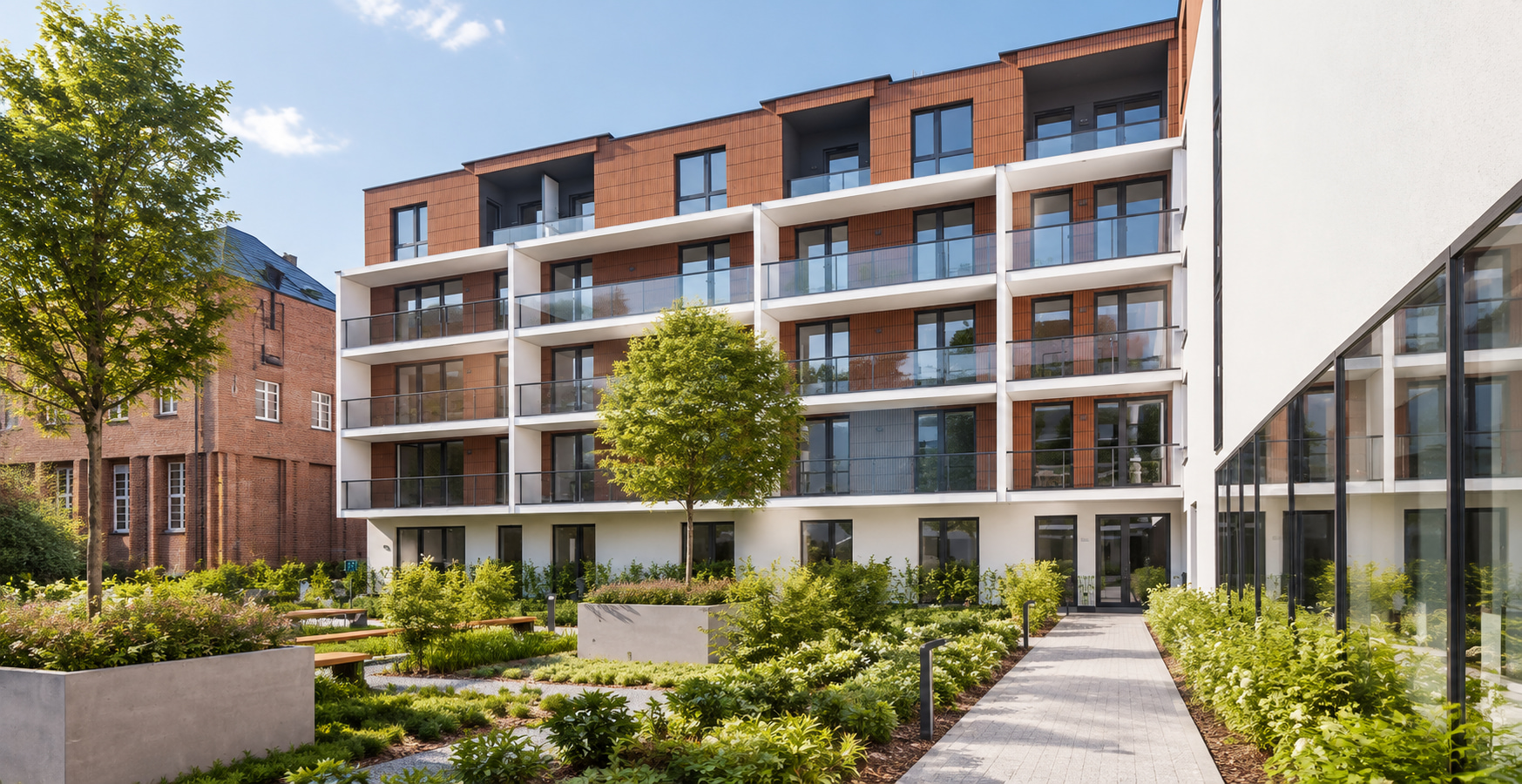
For a European long-term rental project, the building contractor needed a more efficient way to manage electricity and water monitoring, lighting, windows, and other connected devices across multiple apartments. When each apartment operates through separate controls and configurations, property staff must check devices individually, increasing maintenance workload and making building-wide monitoring difficult.
Uhopestar's wall-mounted Android control panel provides a consistent user interface for a smart apartment integration architecture built around independent Zigbee gateways and compatible third-party devices.
The objective is to connect apartment-level controls within a more standardised management system, making device monitoring and ongoing property maintenance easier to organise.
1. The Challenge of Managing Multiple Smart Apartments
In a long-term rental building, property management involves more than providing residents with smart-home controls.
Staff need to monitor electricity and water consumption, check lighting and window status, and identify devices that stop responding. When these functions operate through separate applications or independent configurations, staff must switch between interfaces and check individual apartments one by one.
The problem grows with the number of units. Each additional apartment brings more devices to configure, more information to track, and more maintenance work to coordinate.
For the building contractor, the challenge was to establish a consistent way to access and manage connected devices across the property rather than treating every apartment as a separate system.
2. How Uhopestar Android Control Panels Integrate with Zigbee Gateways
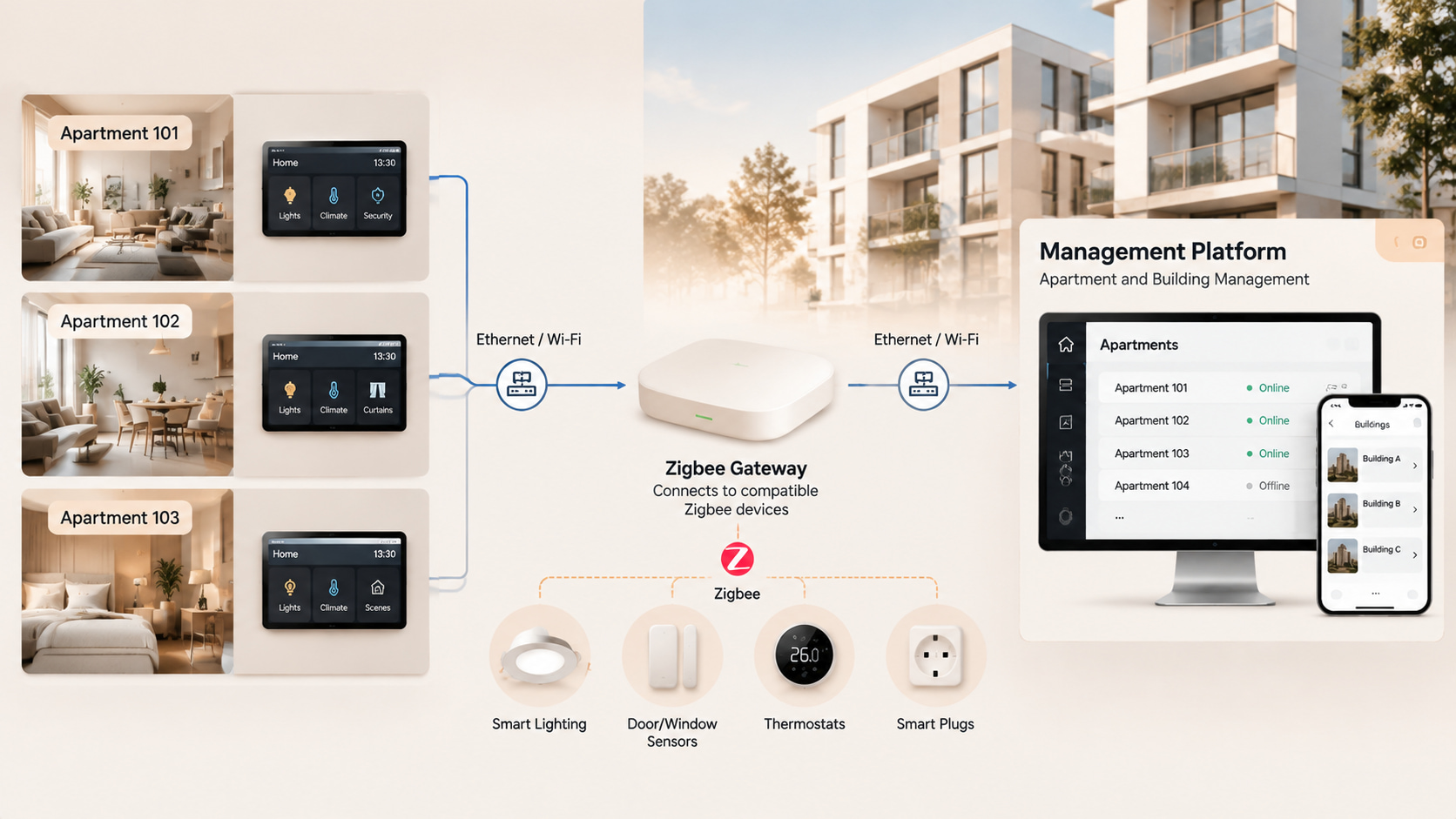
Uhopestar's Android smart home control panel combines with independent Zigbee gateways and compatible third-party smart devices to support the smart apartment architecture. Each component serves a specific purpose.
Wall-Mounted Android Control Panels for Apartment Management
Uhopestar provides Uhopestar control panels that serve as fixed touchscreen interfaces within the apartments.
Residents can access supported smart-home controls directly from the wall-mounted screen. Property operators can also use the interface for relevant management functions when the application and system permissions support them.
Using a consistent panel across apartments helps standardise the user experience and simplifies the hardware specification for the building contractor.
Connecting Compatible Smart Devices Through Zigbee Gateways
Independent Zigbee gateways connect compatible third-party devices to the wider smart apartment system.
Depending on the selected equipment, these devices can include lighting controls, door and window sensors, and electricity or water monitoring equipment. Each device provides the specific monitoring or control functions supported by its hardware.
Zigbee provides the wireless communication layer between the gateway and compatible devices. The gateway then connects these devices to the relevant application or backend through the interfaces supported by the system.
This arrangement allows the project to combineUhopestar control panelswith third-party devices without requiring Uhopestar to manufacture every component in the smart-home ecosystem.
Integrating Apartment-Level Device Data into Building Management
The control panels and gateways establish the device interaction layer. Building-wide monitoring also requires software integration that organises the available device information by apartment or building zone.
For example, electricity readings from compatible meters need to be associated with the correct apartment, while window sensors need to report their status through the integrated system.
With the appropriate gateway, application, and backend configuration, this information can be presented through a common management interface. The result is a more structured way to organise apartment-level device data for property operations.
3. From Individual Apartment Controls to Building-Wide Monitoring
The main change is how property staff access device information and organise maintenance work.
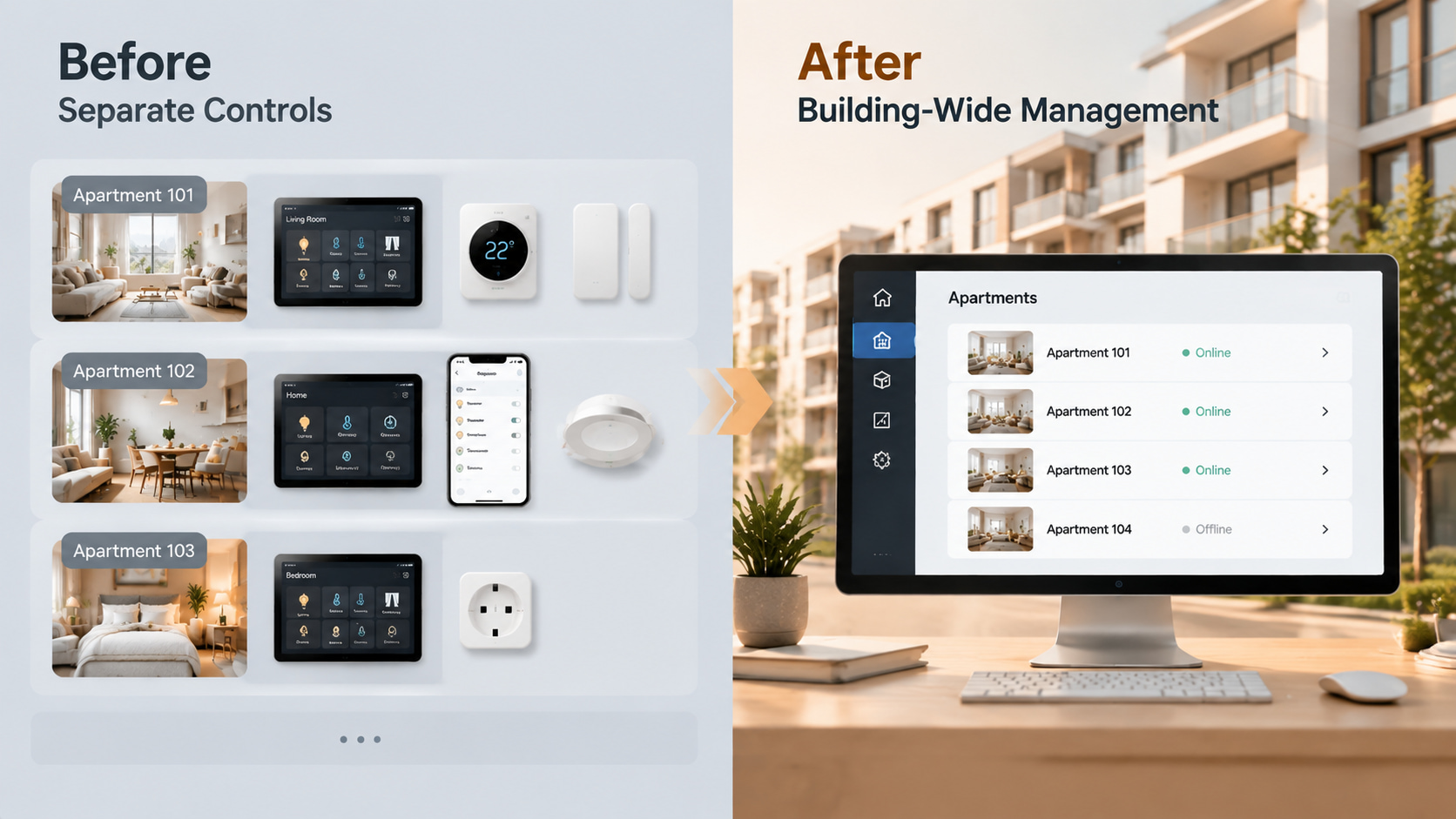
Before integration, staff manage devices through separate interfaces and apartment-specific configurations. Checking a device or investigating a fault requires identifying the relevant apartment and accessing the corresponding system.
With a standardised integration architecture, compatible devices can be organised by apartment and building zone, and their supported status and measurement data can be accessed through a common interface.
This changes several routine tasks:
- Energy monitoring: Staff can review available electricity and water consumption data by apartment or building zone when suitable meters and data integrations are in place.
- Device status checks: Supported device information can be accessed through a consistent management interface.
- Lighting and window monitoring: Compatible controls and sensors provide information about lighting and window status within the integrated system.
- Fault investigation: Standardised device identification helps staff locate the relevant apartment and equipment when maintenance is required.
- Configuration management: Reusable setup procedures make it easier to deploy and maintain similar configurations across multiple apartments.
The key improvement is a more consistent management process. Instead of organising every apartment as an isolated installation, the contractor can establish common integration and configuration standards for the building.
4. How Standardised Integration Simplifies Deployment and Maintenance
For the building contractor, the value of the architecture begins during installation.
A standardised hardware specification, device list, gateway configuration, and apartment naming convention provide a repeatable deployment process. Once the setup has been validated, the same procedures can be applied to additional apartments without redesigning the entire configuration for each unit.
For property operators, a common interface provides a clearer way to access supported device information. When a device stops reporting or requires replacement, consistent device identification and configuration records help maintenance staff locate the relevant equipment and investigate the problem.
The same architecture also provides a foundation for expanding the system. Additional apartments and compatible devices can be evaluated against the established integration standards, reducing the need to create a separate management process for every new installation.
Energy monitoring becomes more useful when measurement data is organised alongside the relevant apartment and device information. Property staff can review available readings, identify missing data, and investigate unusual consumption patterns. This supports more informed operational decisions, although actual energy savings depend on the quality of the measurements and the actions taken by the property team.
The main operational benefits are therefore:
- A consistent control interface across apartments.
- A more organised way to access device status and energy data.
- Repeatable installation and configuration procedures.
- Clearer device identification for maintenance and replacement.
- A more scalable foundation for managing additional apartments.
These improvements can be evaluated through project acceptance tests and operational records, including installation time per apartment, device connectivity, completeness of energy readings, and maintenance response time.
Conclusion: Building a Scalable Smart Apartment Management System
For a multi-building rental project, connecting smart devices is only the starting point. The larger challenge is managing those devices consistently across the entire property.
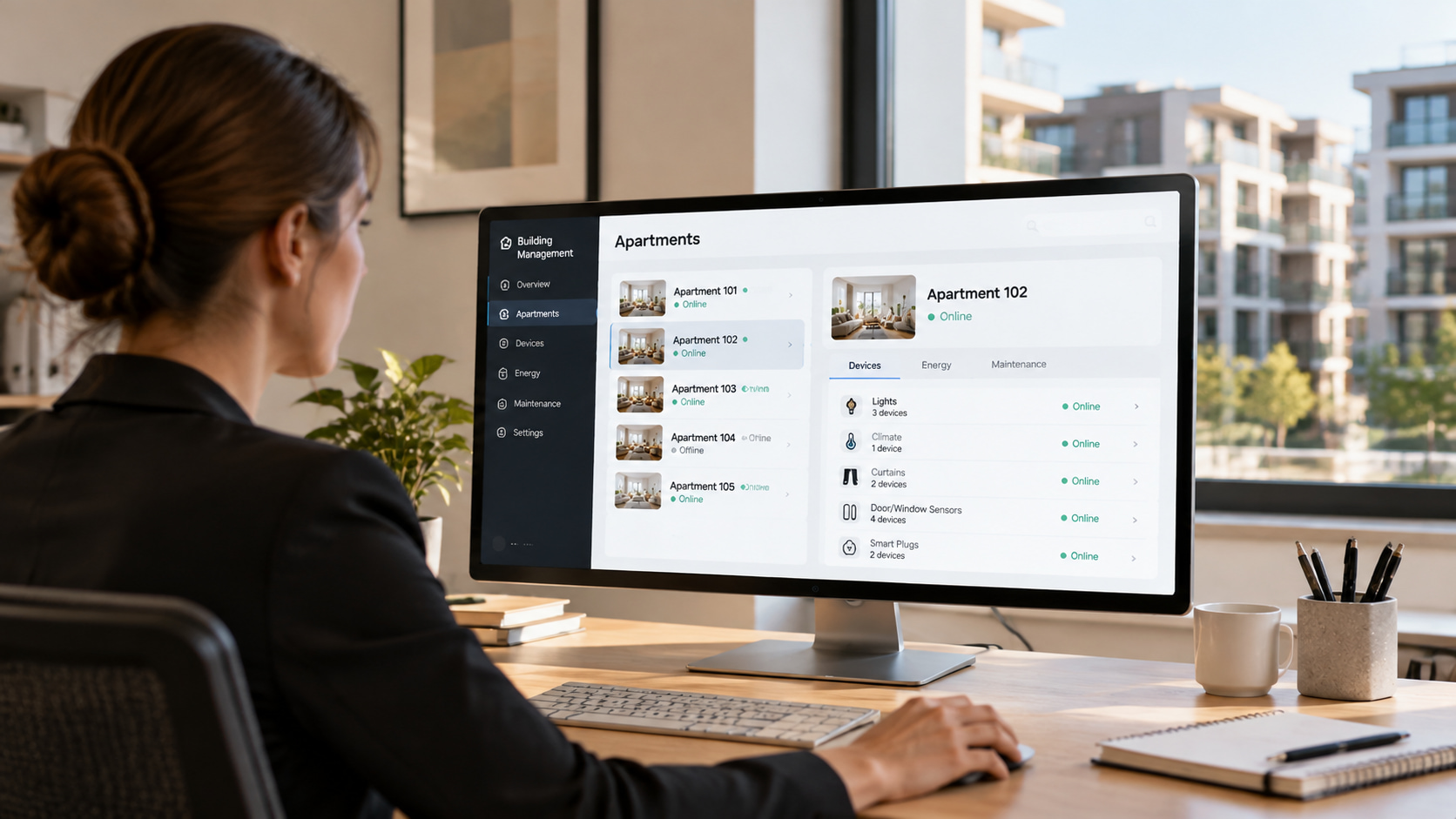
Uhopestar Android control panels, combined with independent Zigbee gateways and compatible third-party devices, provide a foundation for bringing apartment-level controls into a more structured management architecture.
The approach helps the building contractor standardise the control interface and deployment process while supporting the integration of device status and energy-related data into building-level management workflows.
For property operators, the objective is straightforward: make connected devices easier to access, monitor, and maintain as the number of apartments grows.
The key is to design the complete system around the building's operational requirements, ensuring that the panels, gateways, devices, and software interfaces work together as a coherent solution.
Planning a smart apartment project? Share your building layout, Android smart home control panel requirements, and Zigbee integration needs with Uhopestar. Contact Uhopestar to discuss a suitable control panel configuration for your project.