

Tendências do Mercado Global de Tablets Industriais Android: Da Manufatura ao Varejo Inteligente
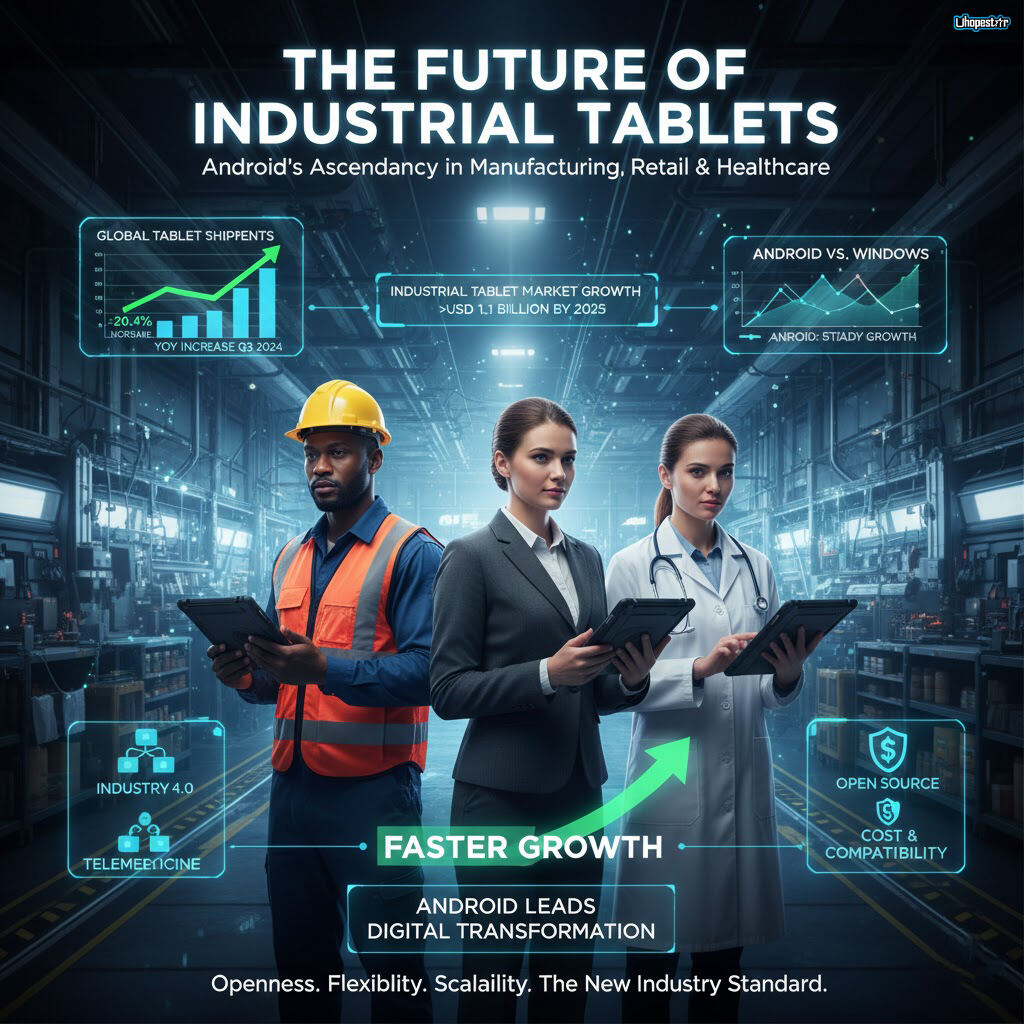
Nos últimos anos, o mercado global de tablets industriais — dispositivos computacionais resistentes e duráveis projetados para ambientes empresariais exigentes — entrou em um período de crescimento e transformação sustentados. Impulsionado pela crescente demanda em automação industrial, varejo inteligente e sistemas de saúde, os tablets industriais baseados em Android estão substituindo cada vez mais os sistemas legados, como o Windows, em ambientes comerciais. Essa tendência deve continuar nos próximos anos, à medida que as empresas priorizam abertura, flexibilidade e escalabilidade de ecossistemas.
1. Crescimento Crescente nas Remessas Globais e no Mercado
Na categoria mais ampla de tablets, as remessas globais se recuperaram fortemente após um período de queda. De acordo com a empresa global de pesquisa IDC , as remessas mundiais de tablets atingiram aproximadamente 39,6 milhões de unidades no terceiro trimestre de 2024 , representando um aumento de 20,4% em relação ao ano anterior , e refletindo a demanda renovada por dispositivos computacionais portáteis em ambos os segmentos, consumidor e comercial. Sina Finance
Embora essas estatísticas abranjam o mercado geral de tablets e não os tablets industriais especificamente, pesquisas do setor indicam que o segmento de tablets PC industriais também está crescendo de forma constante . Analistas estimam que o mercado de tablets industriais valerá mais de USD 1,1 bilhão até 2025 , com uma taxa de crescimento anual composta (CAGR) de cerca de 6,5–7% até 2030 . Essa expansão contínua é impulsionada pela transformação digital em setores que dependem de computação móvel resistente. Mordor Intelligence +1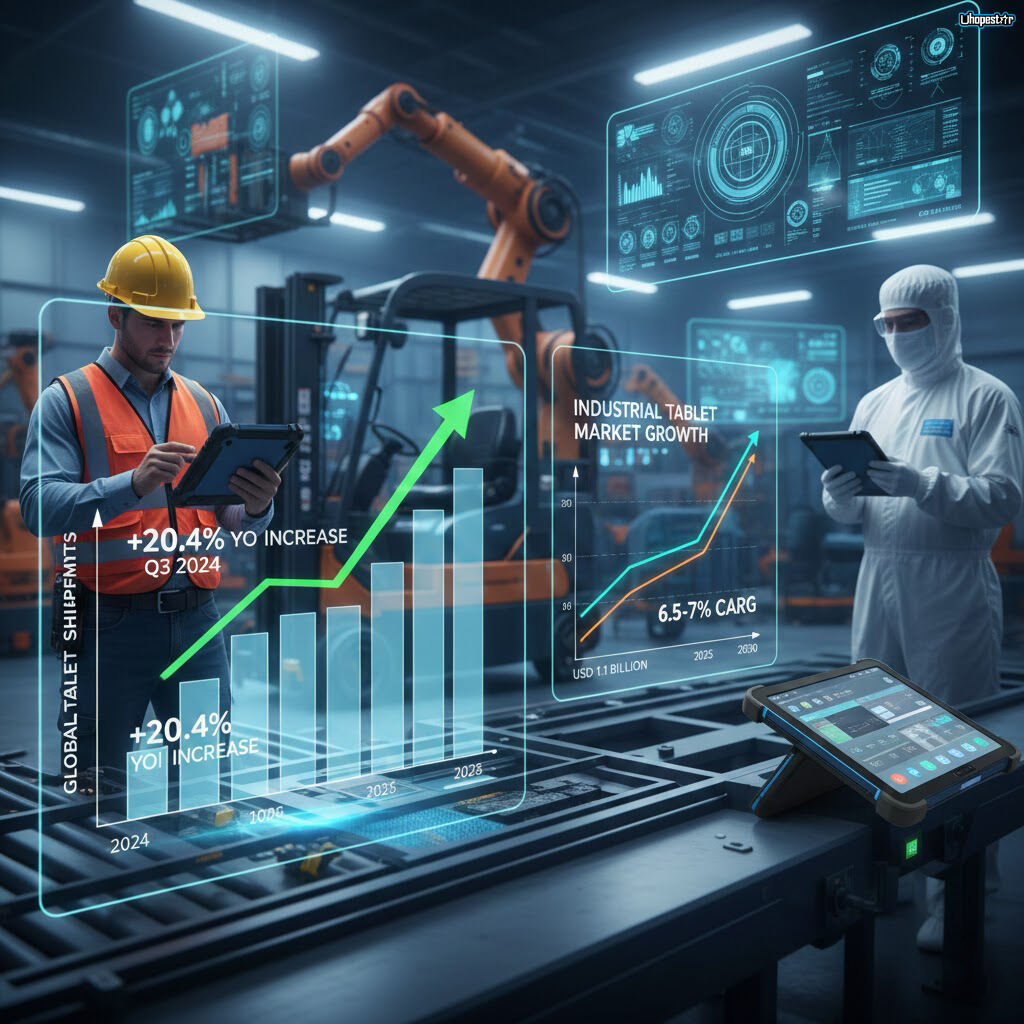
2. Android versus Windows em Ambientes Industriais
Historicamente, os tablets robustos baseados em Windows dominaram o segmento industrial devido à compatibilidade com softwares legados e aos padrões de TI empresarial. No entanto, o ecossistema aberto do Android, o amplo suporte de desenvolvedores e o menor custo total de propriedade ajudaram-no a ganhar tração. Pesquisas sugerem que Os tablets industriais baseados em Android estão crescendo mais rapidamente do que os modelos baseados em Windows , apoiado por ferramentas de ecossistema robustas e opções flexíveis de integração para aplicativos empresariais. Mordor Intelligence
Sobre o próximos três anos , espera-se que essa mudança acelere. A arquitetura aberta do Android permite que desenvolvedores e integradores personalizem soluções com menos restrições do que plataformas fechadas — uma vantagem fundamental para automação industrial, operações em armazéns e aplicações de serviço de campo, onde interfaces e integrações personalizadas são cada vez mais a norma. 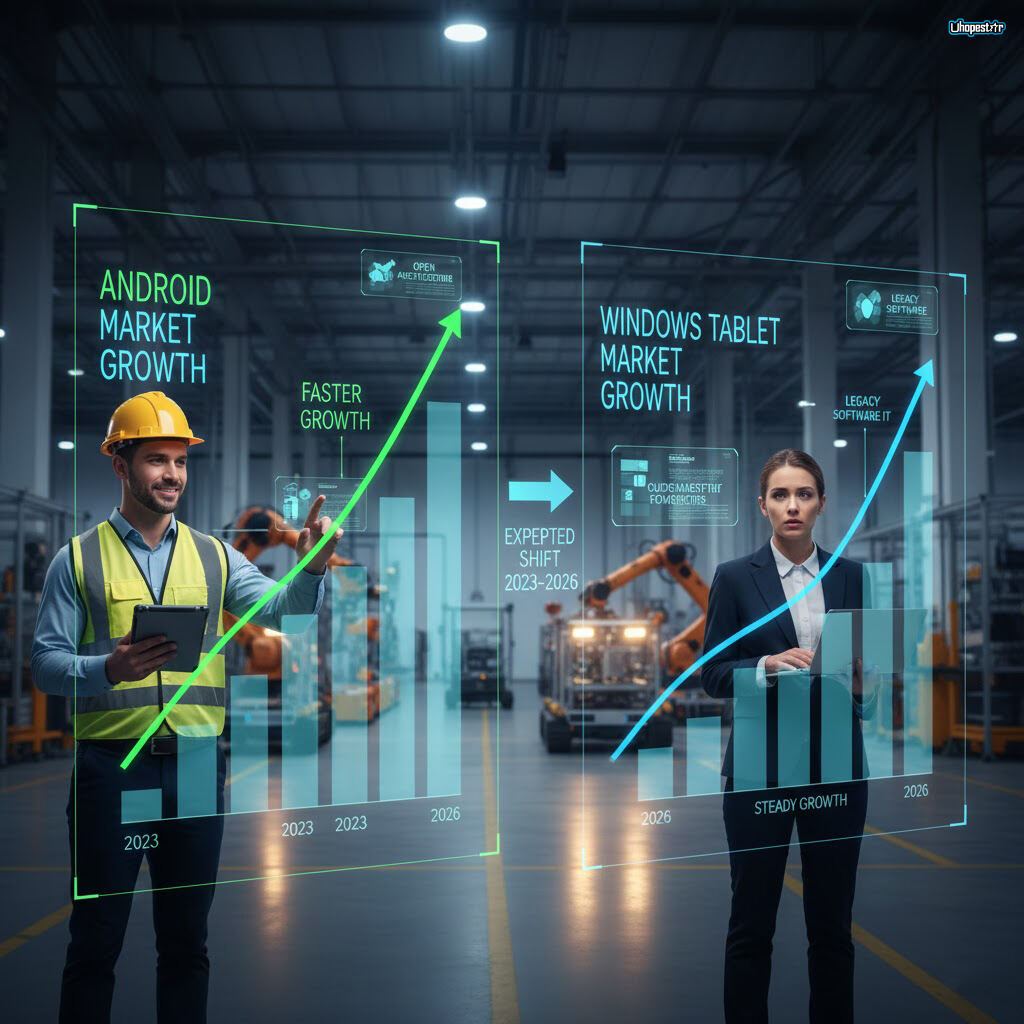
3. Cenários de Aplicação em Diferentes Setores
Automatização de Fabricação
As operações industriais estão adotando a transformação digital por meio de iniciativas da Indústria 4.0, exigindo tablets resistentes para monitoramento em tempo real de máquinas, inspeção de qualidade, controle de processos e captura de dados no chão de fábrica. Os tablets Android são particularmente atraentes nesse contexto devido ao amplo suporte do ecossistema de aplicativos e à facilidade de integração com IoT, MES (Sistemas de Execução de Manufatura) e plataformas de análise em nuvem.
Varejo inteligente
Em ambientes de varejo, tablets industriais Android estão aprimorando o engajamento do cliente e os fluxos de trabalho operacionais. Desde sistemas de ponto de venda móvel (mPOS) e digitalização de inventário até gestão de filas e quiosques interativos, os tablets Android oferecem confiabilidade e flexibilidade. Sua interface Android familiar também reduz os custos de treinamento para funcionários em comparação com sistemas legados mais especializados.
Saúde e Atualizações de Sistemas
O setor de saúde é outra área de crescimento para tablets industriais. Clínicas, hospitais e laboratórios diagnósticos estão substituindo equipamentos legados por tablets capazes de acessar com segurança dados de pacientes, realizar telemedicina, preenchimento móvel de prontuários e comunicação em tempo real. A estrutura robusta de segurança do Android e o suporte a ferramentas de gerenciamento de mobilidade empresarial (EMM) tornam-no uma opção forte para a modernização da TI na saúde. 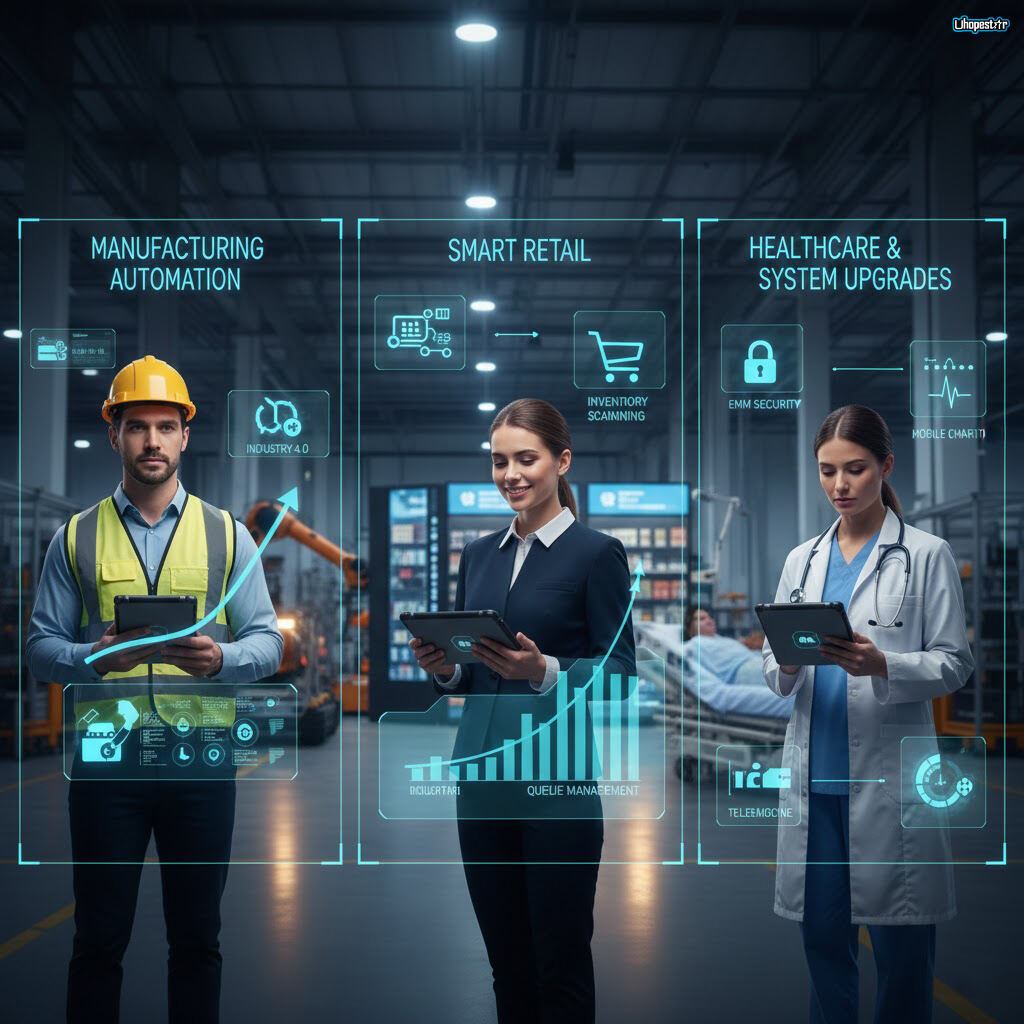
4. Por que o Android continuará liderando
Vários fatores apoiam a contínua expansão do Android no segmento industrial:
-
Ecossistema de Código Aberto: A natureza aberta do Android permite que OEMs, integradores e ISVs desenvolvam soluções personalizadas sem as restrições de licenciamento e plataforma frequentemente associadas a sistemas proprietários.
-
Comunidade de Desenvolvedores e Disponibilidade de Aplicativos: Milhões de desenvolvedores em todo o mundo já estão familiarizados com o desenvolvimento para Android, facilitando para empresas a criação, implantação e manutenção de aplicações personalizadas.
-
Custo e Compatibilidade: Os tablets Android tendem a ser mais econômicos do que os tradicionais tablets rugged Windows, com amplo suporte a periféricos modernos e padrões de conectividade.
Essas vantagens posicionam o Android para gradativamente conquistar uma participação maior de mercado em ambientes industriais, varejo e corporativos — especialmente à medida que as empresas buscam proteger suas operações contra mudanças tecnológicas rápidas. 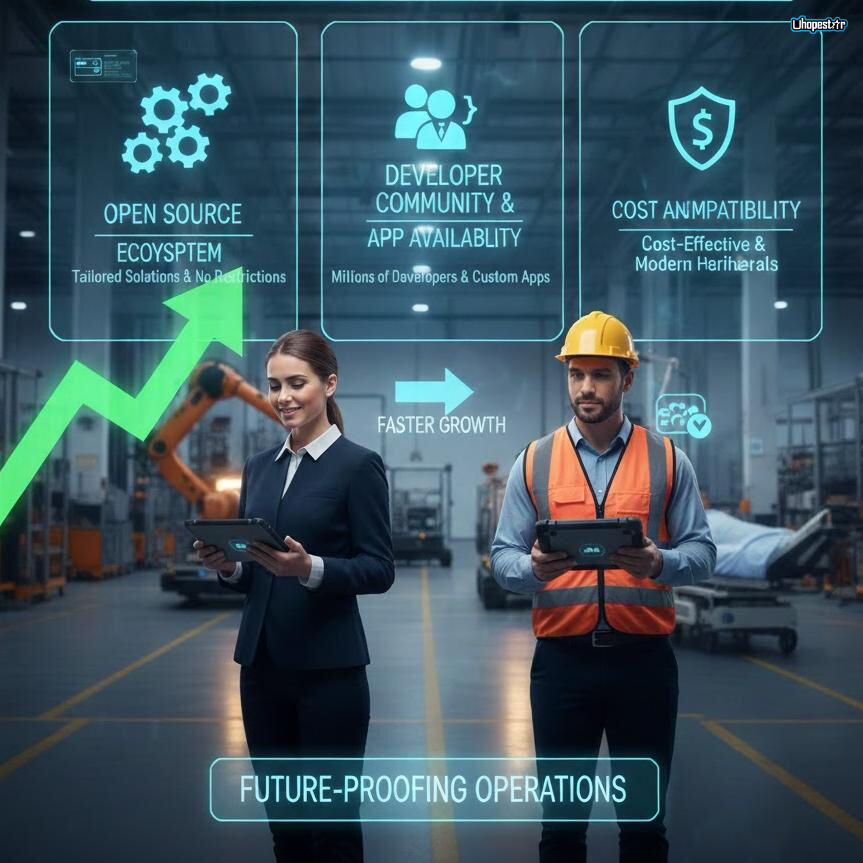
Conclusão
O mercado global de tablets industriais está entrando em uma fase de crescimento dinâmico, impulsionado por fortes tendências de envio de tablets e pela transformação digital em setores industriais essenciais. Os tablets industriais Android — com sua arquitetura aberta, amplo suporte a desenvolvedores e eficiência de custos — são cada vez mais preferidos em comparação com soluções legadas como Windows, especialmente na automação industrial, varejo inteligente e atualizações de sistemas de saúde.
À medida que as empresas continuam a digitalizar e interconectar fluxos de trabalho operacionais, Android a participação no mercado de dispositivos industriais deverá crescer de forma constante nos próximos três anos e além , superando concorrentes que não possuem flexibilidade de ecossistema semelhante.