

Mengapa Hotel Beralih ke Tablet Kontrol Pintar di Kamar
Harapan Baru untuk Pengalaman Tamu yang Terhubung
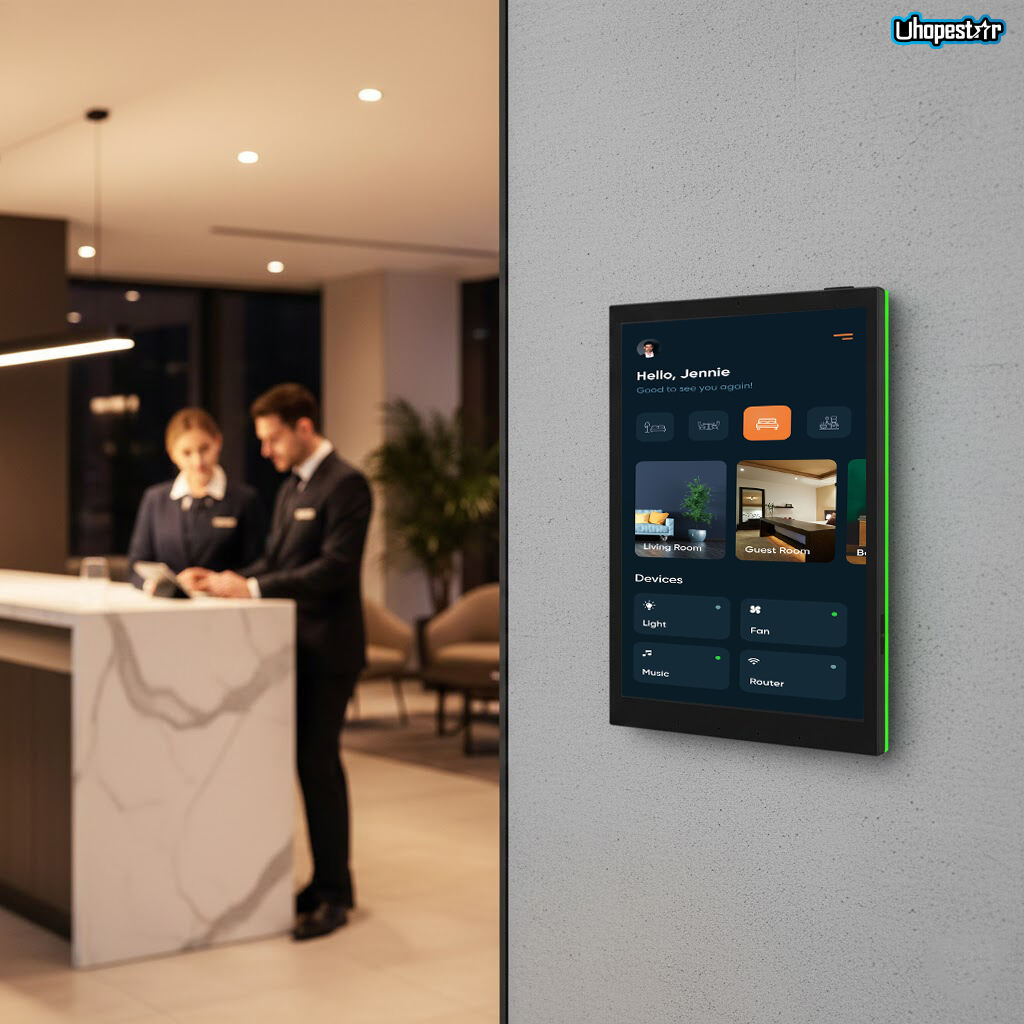
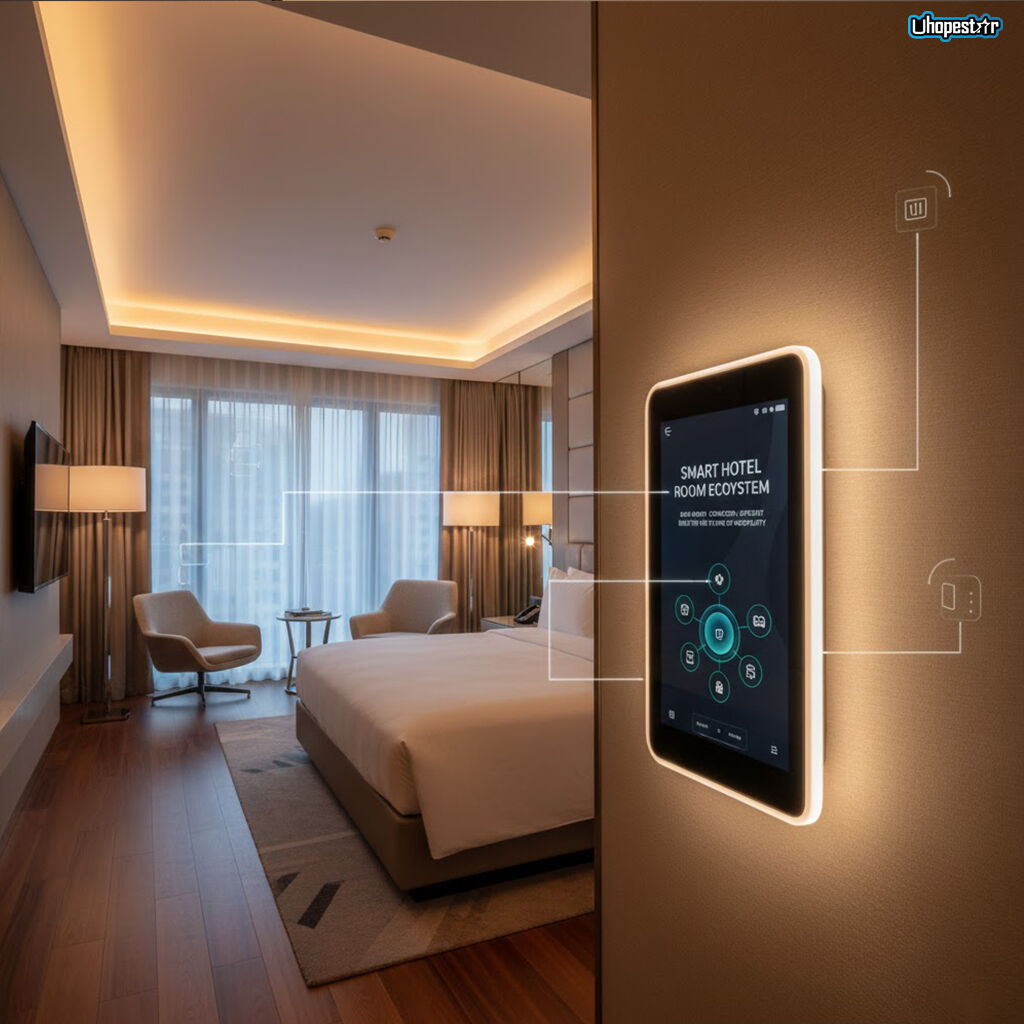
Di seluruh industri perhotelan, harapan tamu telah berubah secara drastis dalam beberapa tahun terakhir. Saat ini, wisatawan menganggap kamar hotel mereka harus menawarkan tingkat kenyamanan digital yang sama seperti yang mereka nikmati di rumah—kontrol instan, antarmuka intuitif, dan akses lancar ke berbagai layanan. Perubahan ini mendorong hotel untuk menjelajahi alat-alat modern yang menyederhanakan interaksi dan meningkatkan efisiensi operasional. Di antara teknologi tersebut, tablet kontrol cerdas di dalam kamar telah muncul sebagai salah satu peningkatan paling signifikan. Perangkat seperti panel kontrol kamar hotel atau tablet perhotelan cerdas memungkinkan hotel menyatukan pencahayaan, iklim ruangan, hiburan, dan layanan tamu ke dalam satu antarmuka sentuh, mengubah kamar menjadi lingkungan yang lebih terhubung.
Mengapa Kontrol Kamar Tradisional Tidak Lagi Memenuhi Kebutuhan Tamu
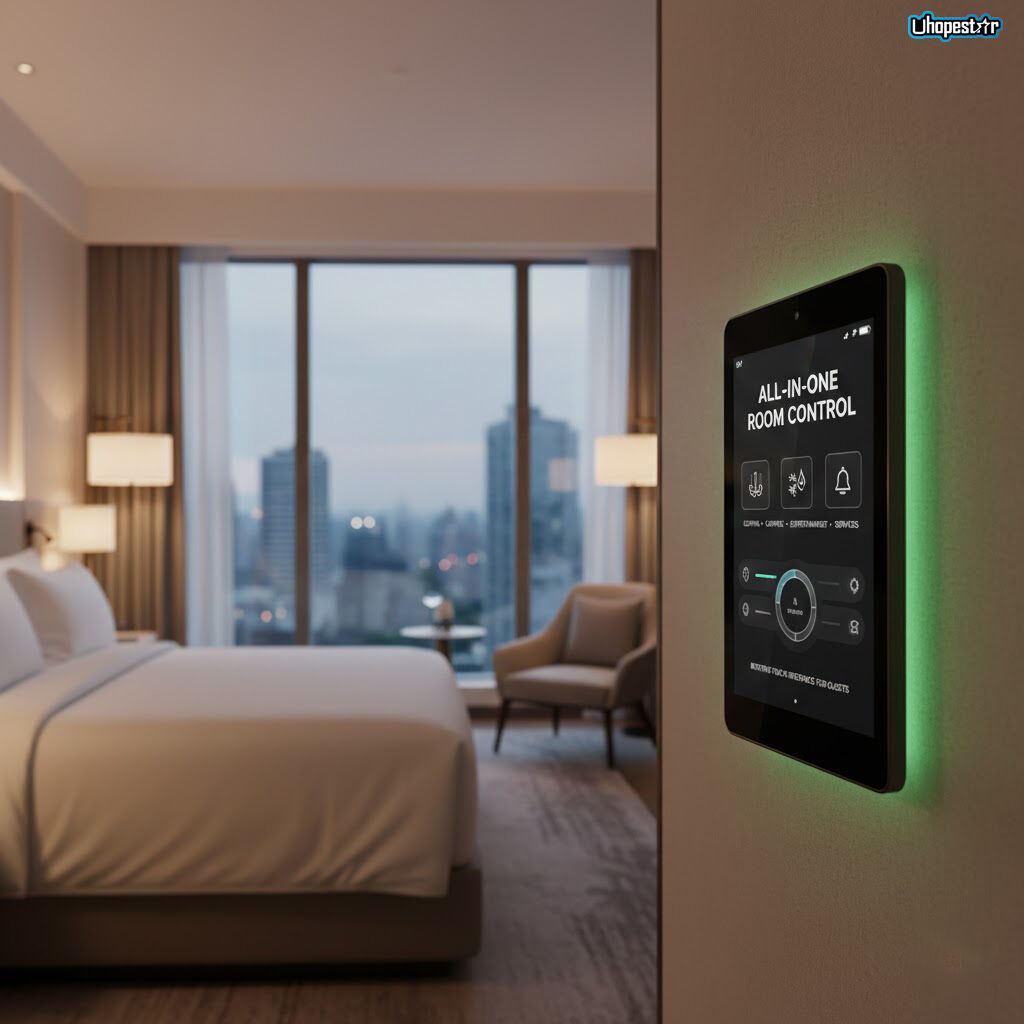
Sakelar ruangan konvensional, termostat yang tersebar, dan direktori kertas telah menjadi usang dalam operasi hotel besar. Tamu sering kesulitan menemukan kontrol yang tepat, sementara staf menghadapi biaya pemeliharaan dan penggantian yang terus-menerus. Sebuah sistem otomatisasi kamar tamu menghilangkan permasalahan ini dengan menyediakan antarmuka terpusat yang mengurangi kebingungan dan mendukung pelayanan yang konsisten. Banyak hotel melaporkan bahwa kontrol kamar yang sudah ketinggalan zaman merupakan salah satu sumber utama keluhan tamu. Dengan mengonsolidasikan sistem-sistem ini ke dalam sebuah tablet kontrol kamar tamu , hotel meminimalkan hambatan operasional dan mengurangi kebutuhan akan manual fisik, panduan kamar cetak, atau tata letak sakelar yang rumit.
Kontrol Terpusat Melalui Antarmuka Digital Cerdas
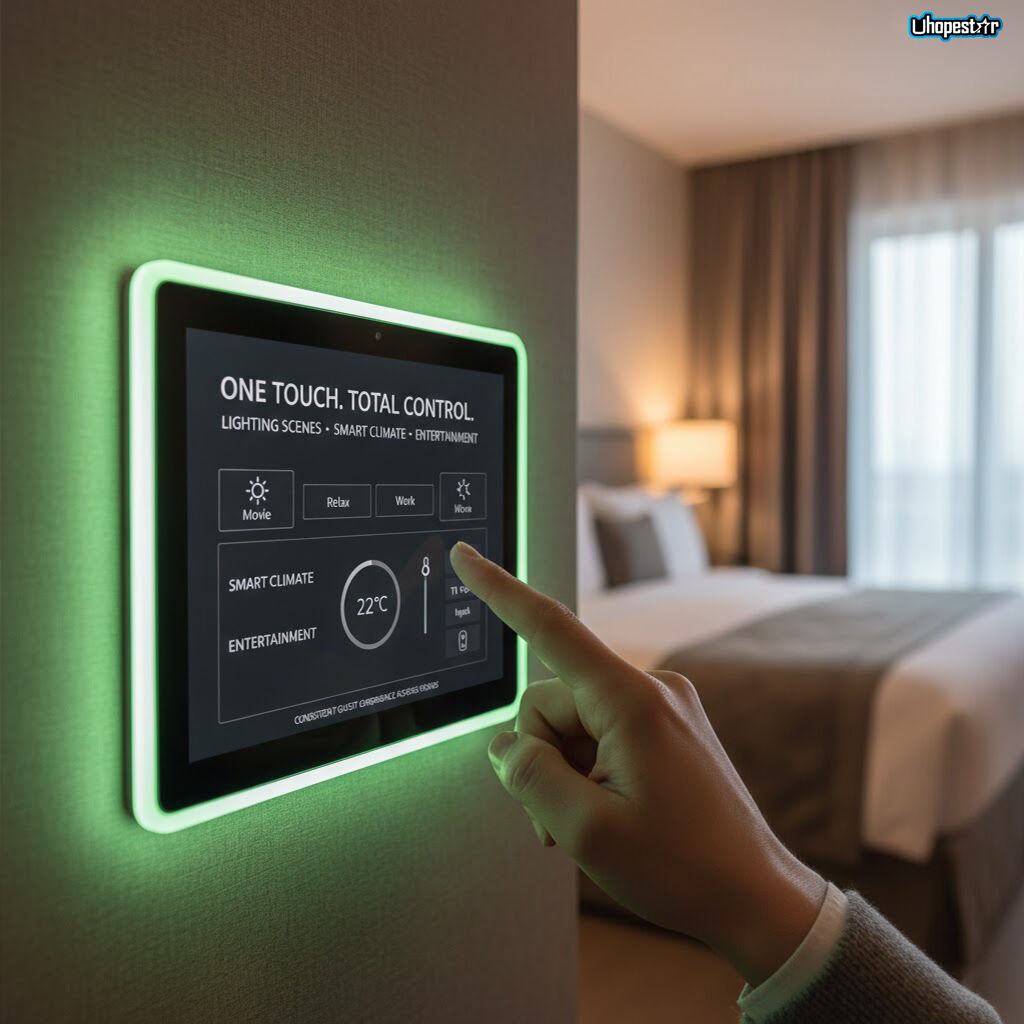
Salah satu keunggulan terbesar dari mengadopsi sebuah perangkat otomatisasi dalam kamar adalah kemampuannya untuk menyatukan berbagai fungsi kamar ke dalam satu layar sentuh yang mudah dinavigasi. Melalui sebuah layar pintar hotel , tamu dapat mengatur mode pencahayaan, beralih antar pengaturan hiburan, atau mengubah suhu ruangan hanya dengan satu sentuhan. Solusi yang mengintegrasikan sistem kontrol IoT perhotelan juga tersinkronisasi dengan platform backend hotel, membantu staf memantau status perangkat, melacak konsumsi energi, dan memastikan setiap kamar berada dalam kondisi nyaman sebelum kedatangan tamu. Perpindahan menuju antarmuka kamar berbasis digital tidak hanya meningkatkan kenyamanan, tetapi juga memstandarkan pengalaman tamu di berbagai tipe kamar dan properti. sistem kontrol IoT perhotelan juga tersinkronisasi dengan platform backend hotel, membantu staf memantau status perangkat, melacak konsumsi energi, dan memastikan setiap kamar berada dalam kondisi nyaman sebelum kedatangan tamu. Perpindahan menuju antarmuka kamar berbasis digital tidak hanya meningkatkan kenyamanan, tetapi juga memstandarkan pengalaman tamu di berbagai tipe kamar dan properti.
Cara Hotel Menggunakan Tablet untuk Menyederhanakan Permintaan Tamu
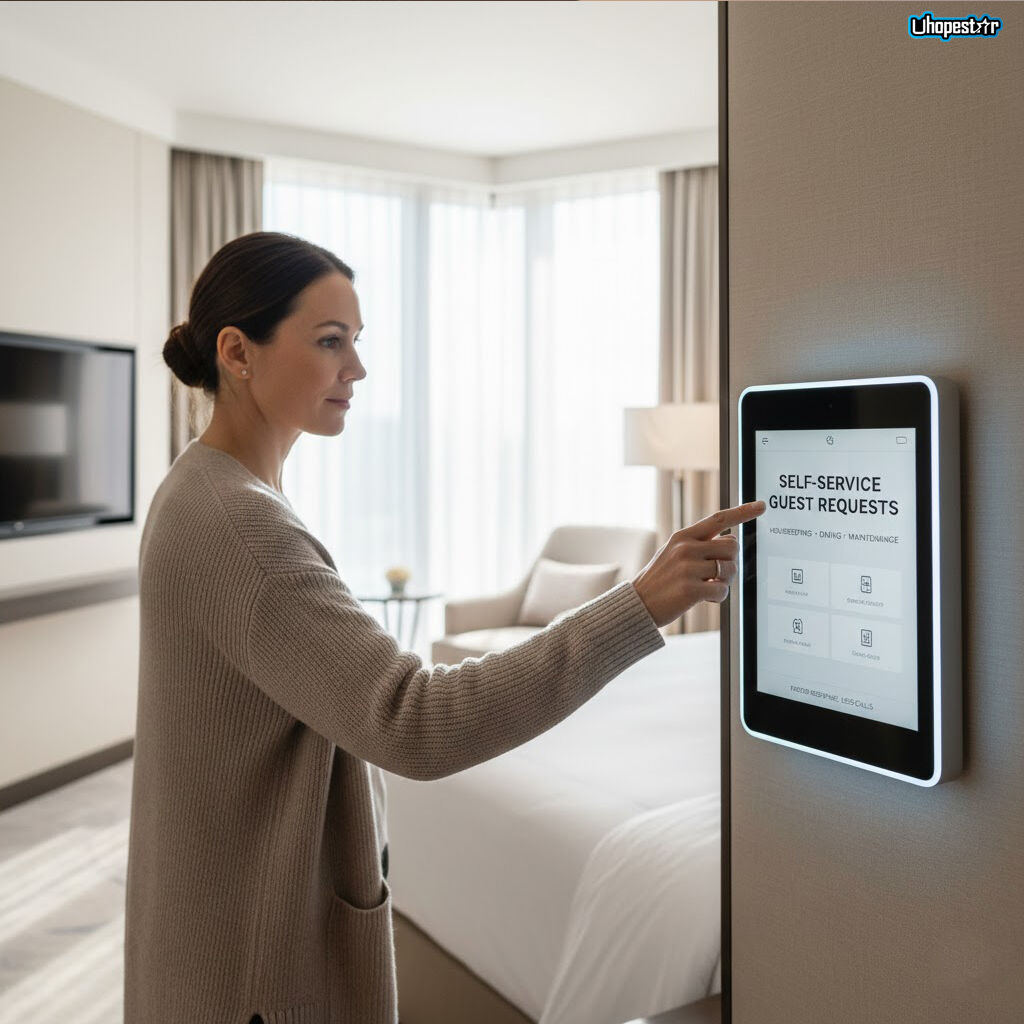
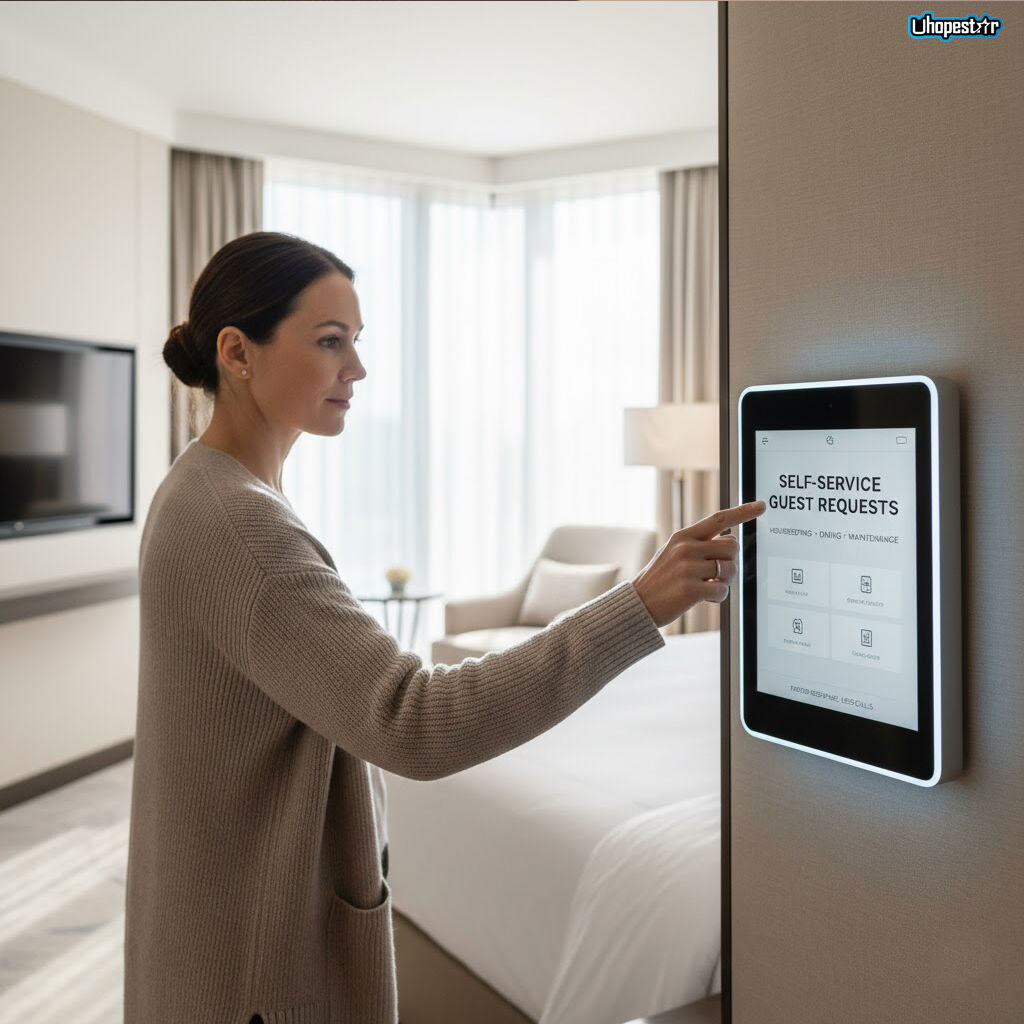
Hotel secara tradisional mengandalkan panggilan telepon atau interaksi langsung untuk memenuhi kebutuhan tamu, yang dapat memperlambat komunikasi selama jam sibuk. Properti modern menggantikan alur kerja ini dengan solusi otomatisasi dalam kamar hotel yang dibangun dalam bentuk tablet. Antarmuka kontrol cerdas kamar tamu memungkinkan tamu memesan fasilitas tambahan, layanan kebersihan, atau perbaikan tanpa harus menunggu dalam antrean. Sebuah tablet permintaan tamu hotel solusi otomatisasi dalam kamar hotel platform yang dibangun dalam bentuk tablet. Sebuah antarmuka kontrol cerdas kamar tamu memungkinkan tamu memesan fasilitas tambahan, layanan kebersihan, atau perbaikan tanpa harus menunggu dalam antrean. Sebuah tablet permintaan tamu hotel juga memungkinkan hotel untuk memprioritaskan tugas menggunakan dasbor real-time, yang secara otomatis mengarahkannya ke staf yang sesuai. Untuk layanan makan, sebuah tablet pesanan makan dalam kamar membantu mengurangi kesalahan pesanan sekaligus meningkatkan peluang penjualan tambahan melalui menu visual dan opsi kustomisasi.
Meningkatkan Kenyamanan Kamar Melalui Kontrol Lingkungan Cerdas
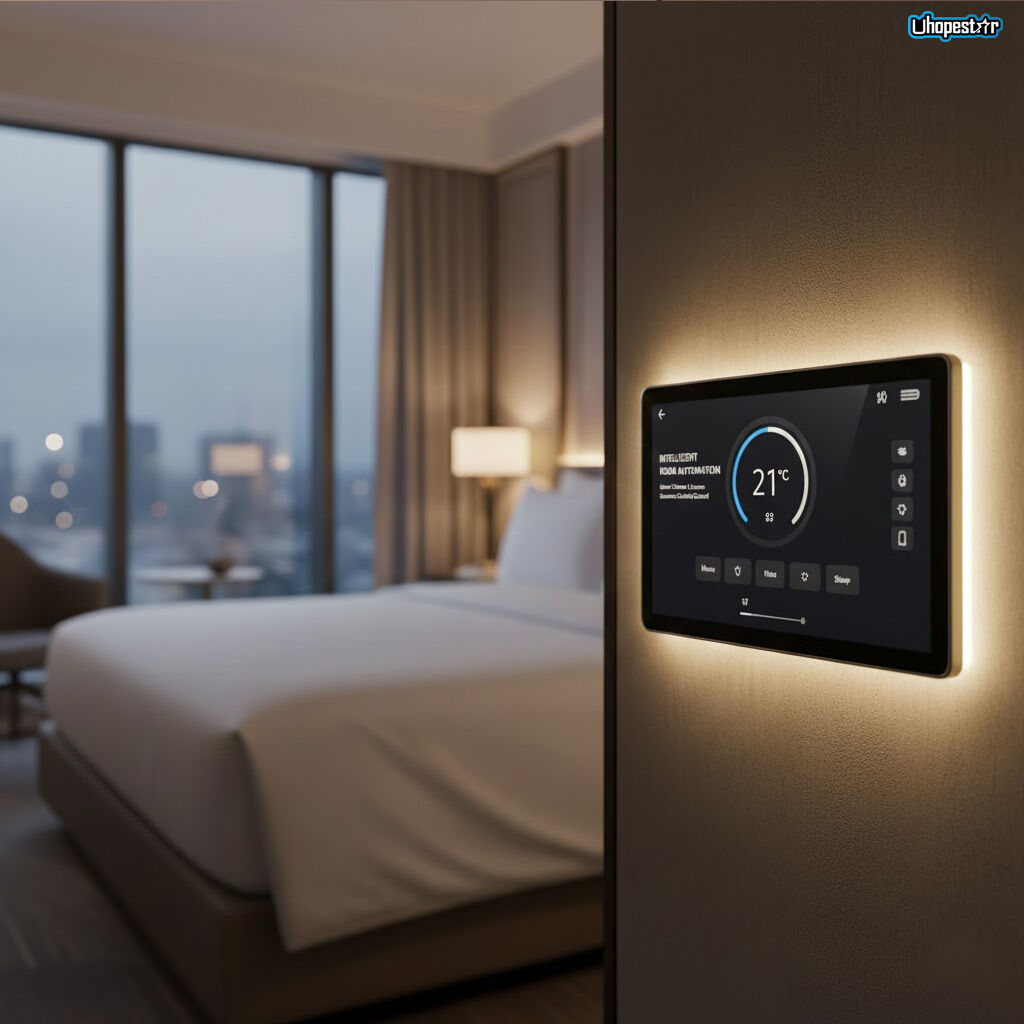
Kenyamanan merupakan elemen utama dari kepuasan tamu, dan hotel memanfaatkan solusi berbasis tablet untuk menyempurnakan personalisasi kamar. Sebuah tablet kamar hotel untuk kontrol pencahayaan memungkinkan tamu memilih skenario yang telah ditentukan sebelumnya untuk membaca, relaksasi, atau bekerja. Pengelolaan iklim juga menjadi lebih intuitif dengan tablet termostat cerdas untuk hotel , yang menawarkan penyesuaian presisi dan penjadwalan otomatis. Banyak hotel menggabungkan fungsi ini dengan program penghematan energi, menggunakan tablet kontrol penghematan energi hotel untuk mengurangi konsumsi saat kamar tidak ditempati. Fitur-fitur ini tidak hanya meningkatkan pengalaman tamu tetapi juga berkontribusi terhadap tujuan keberlanjutan jangka panjang.
Mengganti Panduan Kertas dengan Direktori Tamu Digital
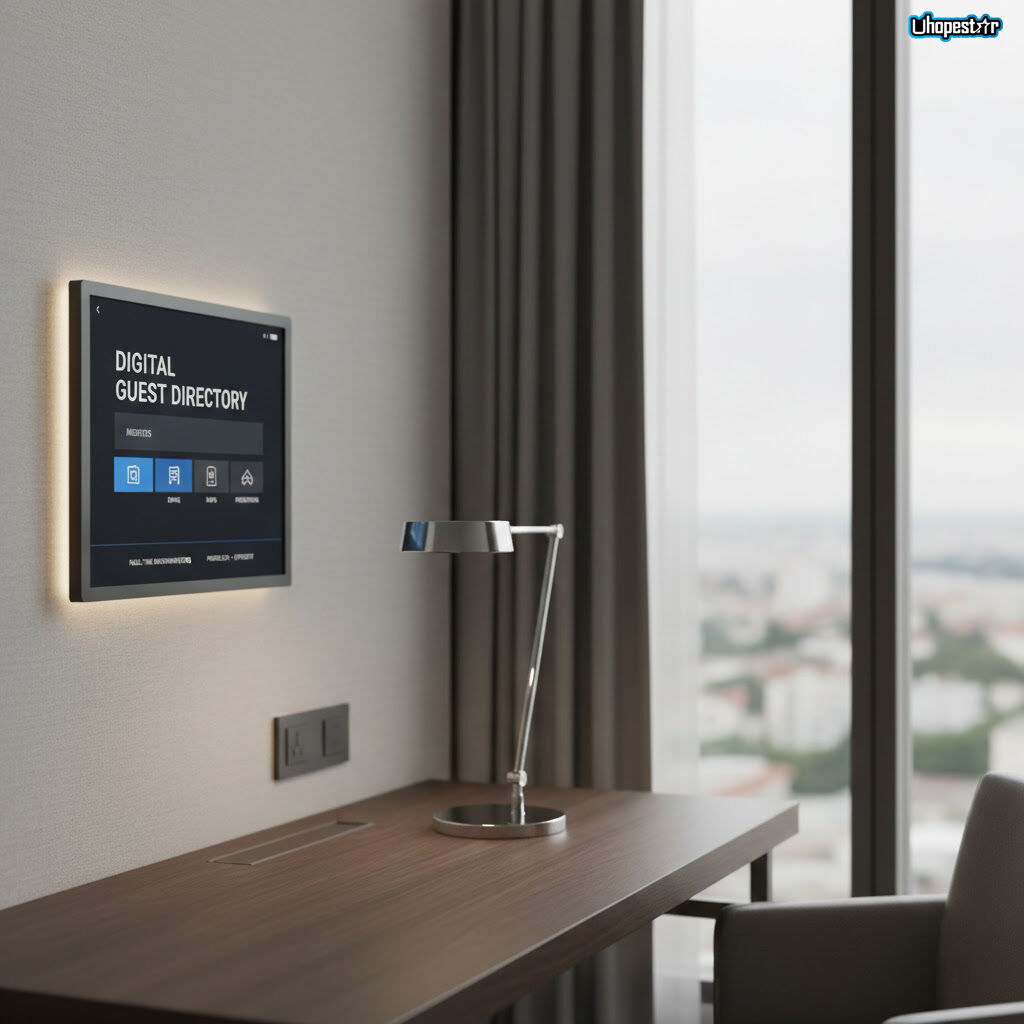
Brosur dan booklet cetak mahal untuk perawatan dan sering kali sudah usang. Hotel semakin memilih tablet direktori tamu digital , yang menyediakan informasi akurat yang diperbarui secara real time. Tamu dapat menjelajahi fasilitas hotel, jam operasional, peta, atau promosi melalui antarmuka yang mirip dengan sistem kontrol tamu berbasis tablet . Properti dengan banyak restoran atau fasilitas menggunakan tampilan interaktif di kamar hotel untuk membimbing tamu secara lebih efektif, mengurangi beban kerja staf resepsionis. Pendekatan digital ini selaras dengan pergeseran industri dari bahan fisik menuju estetika kamar yang lebih bersih dan modern.
Mendukung Pelancong Modern dengan Teknologi Tanpa Sentuh
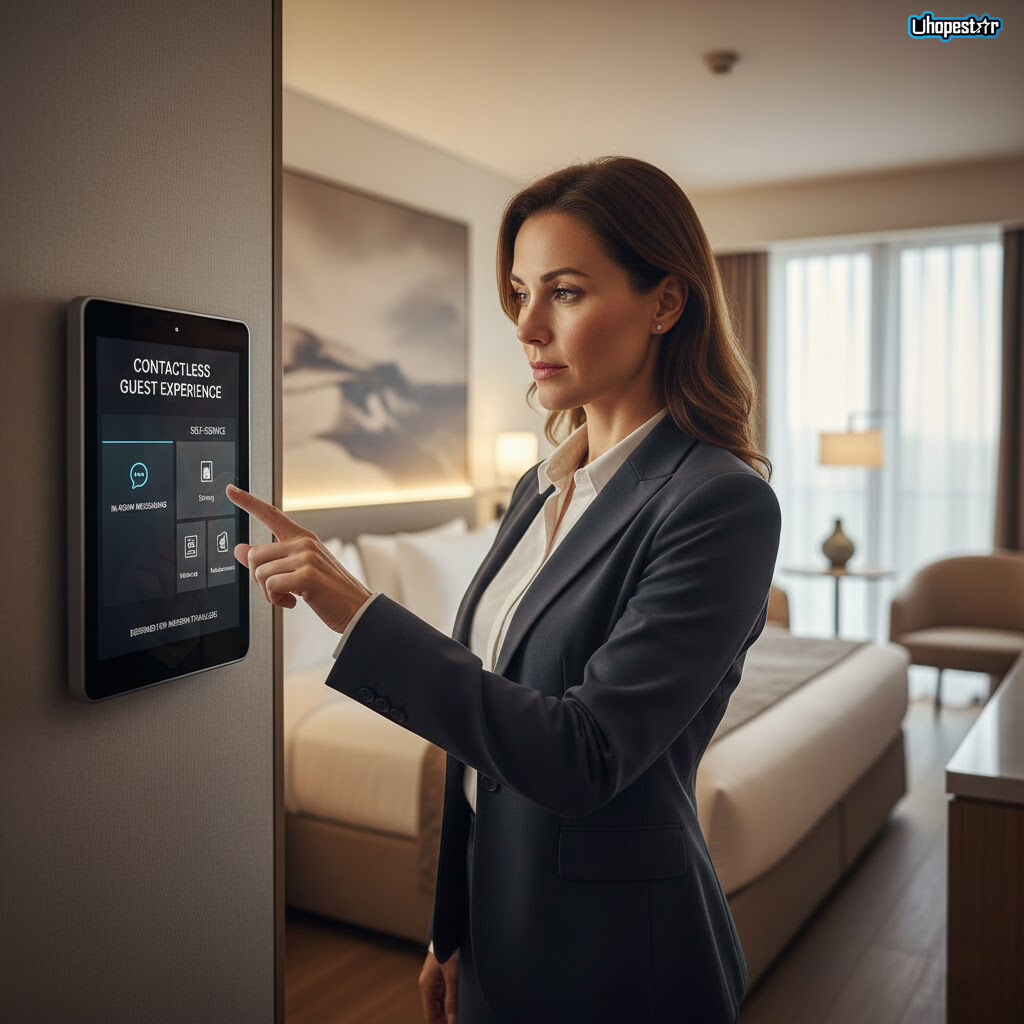
Pelancong saat ini mengharapkan pilihan yang aman, higienis, dan tanpa kontak selama masa inap mereka. Fitur-fitur yang terintegrasi dalam teknologi kamar hotel tanpa kontak memungkinkan tamu mengakses layanan tanpa interaksi fisik langsung. Mulai dari check-in berbasis QR hingga pemesanan layanan kamar secara digital, tablet layanan mandiri kamar hotel mendukung perjalanan tamu yang lebih mandiri. Sebuah tablet komunikasi kamar hotel memungkinkan pesan waktu nyata dengan staf, meningkatkan waktu respons dan mengurangi kemacetan panggilan telepon. Fitur-fitur ini sangat menarik bagi pelancong bisnis dan tamu yang menginap lama yang menghargai dukungan digital yang efisien.
Operasional yang Lebih Baik Melalui Integrasi Data Terpusat dan IoT
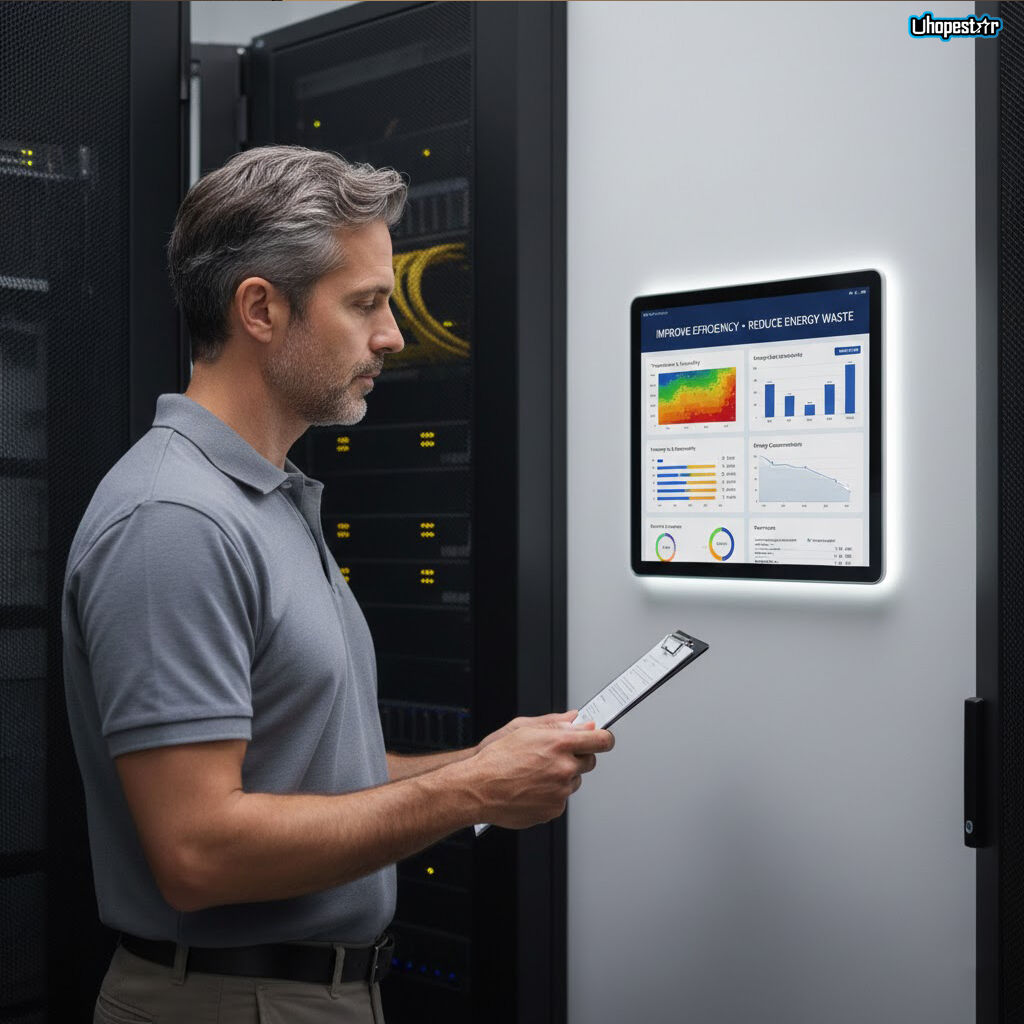
Di luar manfaat bagi tamu, tablet membantu tim hotel merampingkan operasional dengan menghubungkan perangkat kamar melalui perangkat Kamar hotel yang didukung IoT ekosistem. Staf pemeliharaan dapat menerima pembaruan instan tentang peralatan yang mengalami gangguan, sementara manajer dapat melacak kemajuan pembersihan kamar dari tablet manajemen perangkat kamar hotel . Integrasi dengan sistem manajemen properti memungkinkan hotel menyinkronkan status kamar, mengotomatisasi persiapan kamar, dan mengurangi tugas manual. Dengan teknologi seperti pengendali otomasi kamar hotel , hotel dapat mengoptimalkan penggunaan HVAC, mengurangi pemborosan energi, dan memastikan setiap kamar memenuhi standar merek sebelum kedatangan tamu.
Melibatkan Tamu dengan Layanan Layar dan Fitur Kamar
Hotel juga menggunakan tablet untuk meningkatkan interaksi tamu dengan fitur kamar dan fasilitas hotel. Sebuah tablet kontrol sentuh untuk hotel memungkinkan tamu menjelajahi pilihan hiburan, mengakses rekomendasi lokal, atau mengeksplorasi promosi. Keluarga terutama menghargai tablet hiburan kamar hotel , yang menyediakan akses multimedia dan opsi streaming tanpa harus menggunakan perangkat pribadi oleh tamu. Sementara itu, fitur seperti peta bawaan dan navigasi fasilitas mengubah tablet menjadi tablet untuk navigasi tamu di dalam kamar , membimbing tamu melintasi properti yang lebih besar secara lebih intuitif.
Perubahan Teknologi yang Membentuk Masa Depan Perhotelan
Seiring sektor perhotelan terus mengadopsi solusi digital terpadu yang lebih banyak, alat seperti antarmuka pintar untuk fasilitas hotel atau teknologi hotel untuk pelancong modern menjadi infrastruktur penting. Hotel mengalami peningkatan efisiensi, pengurangan biaya operasional, dan peningkatan keterlibatan tamu saat menerapkan sistem tablet kamar hotel terhubung . Perangkat-perangkat ini membantu properti beralih ke model yang lebih adaptif dan berbasis data sekaligus meningkatkan kenyamanan dan kemudahan. Seiring semakin banyak hotel yang menyederhanakan operasi mereka melalui kontrol lingkungan kamar hotel pintar , industri terus berkembang secara stabil menuju pengalaman akomodasi yang lebih personal dan responsif.
Perpindahan Alami Menuju Pengalaman Kamar yang Lebih Cerdas
Transisi ke kontrol kamar berbasis tablet bukan lagi sekadar peningkatan—melainkan menjadi harapan utama dalam akomodasi modern. Baik diterapkan sebagai tablet kontrol cerdas di dalam kamar atau bagian dari strategi teknologi peningkatan pengalaman tamu solusi ini membawa kejelasan, kenyamanan, dan kendali yang lebih baik dalam setiap masa menginap. Hotel yang mengadopsi teknologi ini tidak hanya meningkatkan pengalaman tamu saat ini, tetapi juga mempersiapkan operasional mereka untuk masa depan yang lebih terhubung dan cerdas.