
Products
-
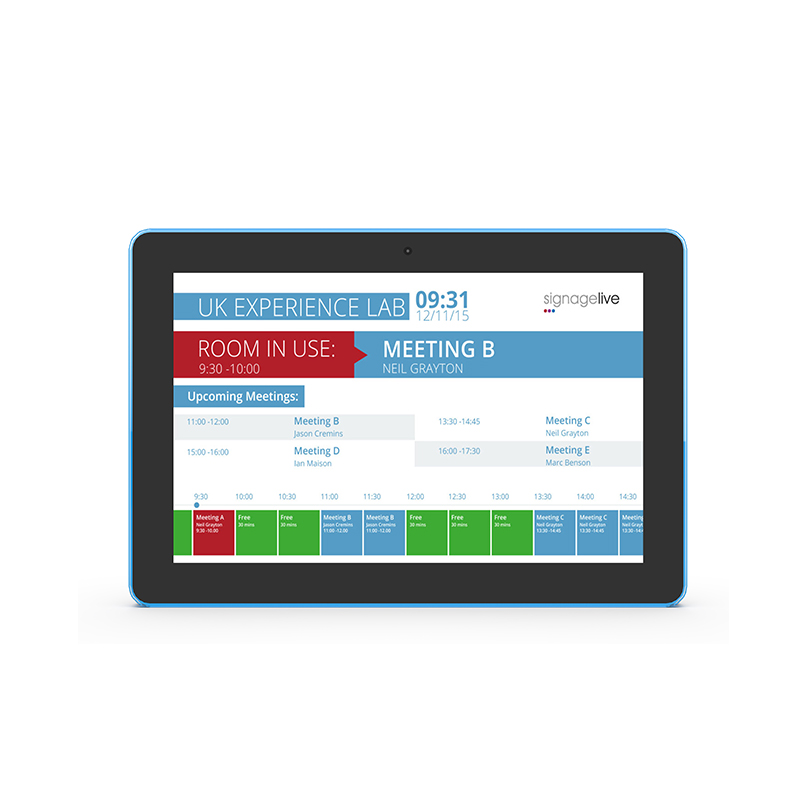
Meeting Reservation Tablet
-
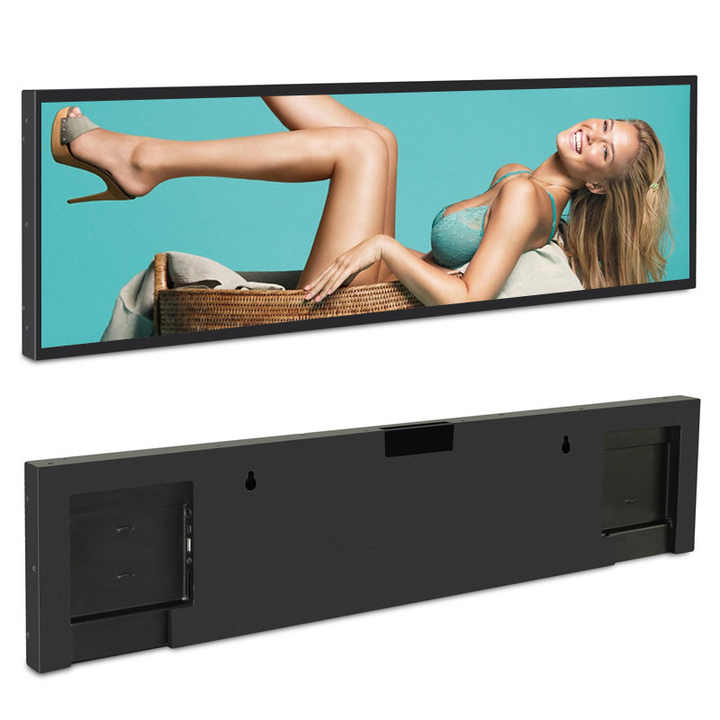
Advertising Display Tablet
-
Restaurant Ordering Tablet
-
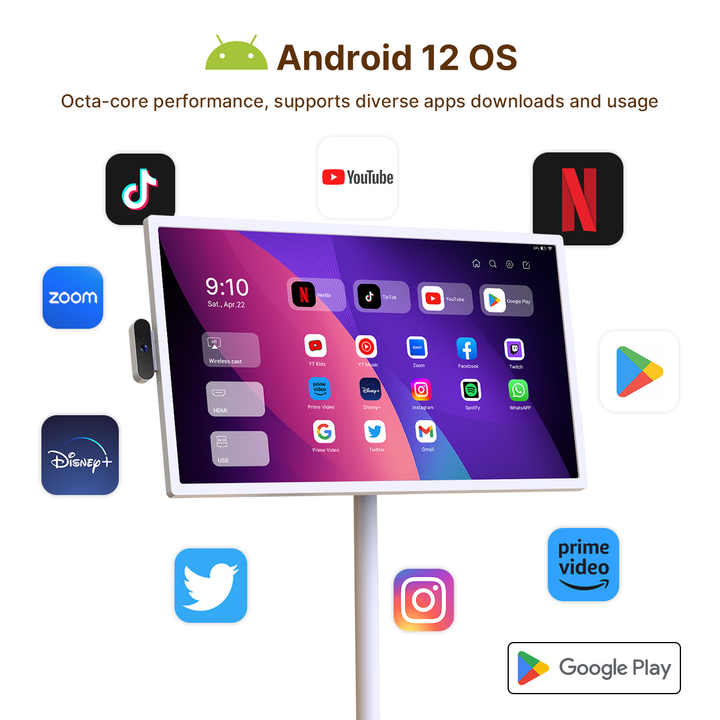
Smart TV (Big Tablet)
-
Smart Home Tablet
-
Medical Monitoring Tablet
-
Industrial Tablet
-
Rugged Tablet
Have any questions?
Please feel free to contactus. We will get back to you as soon as.
+86-13501581295 +86-13501581295 [email protected]
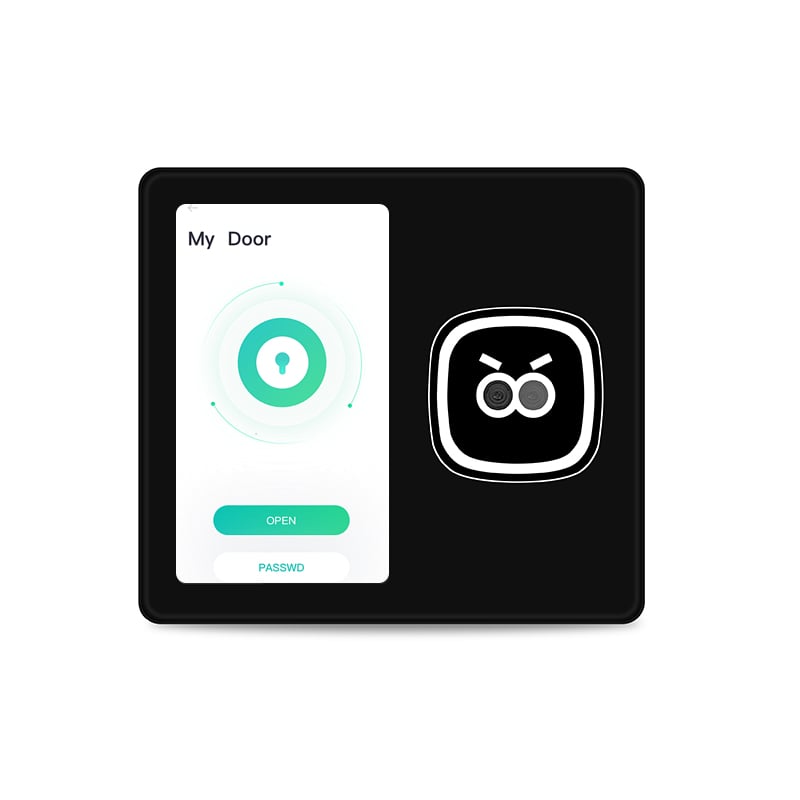
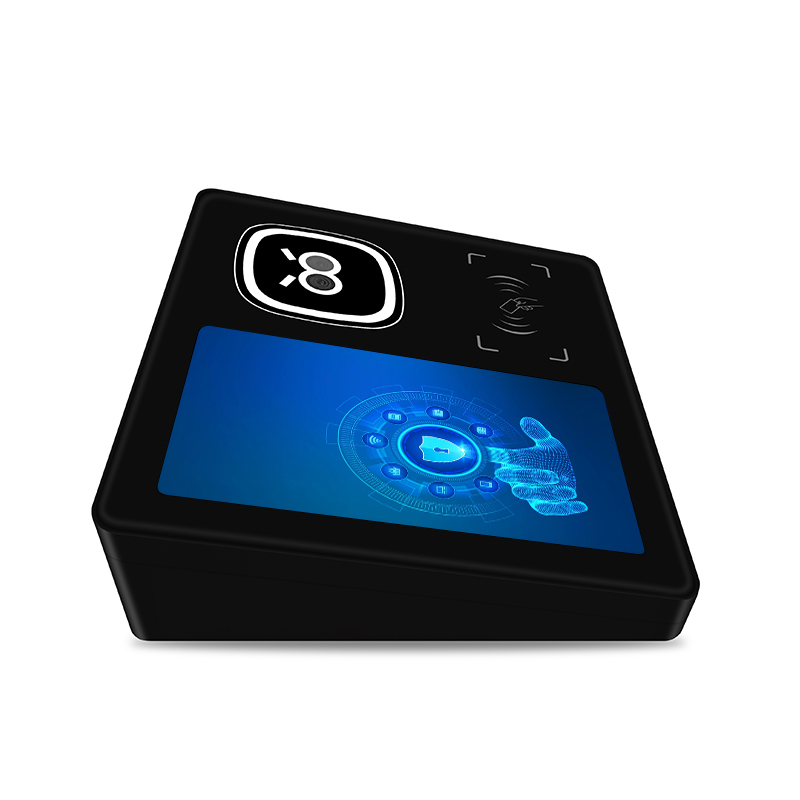
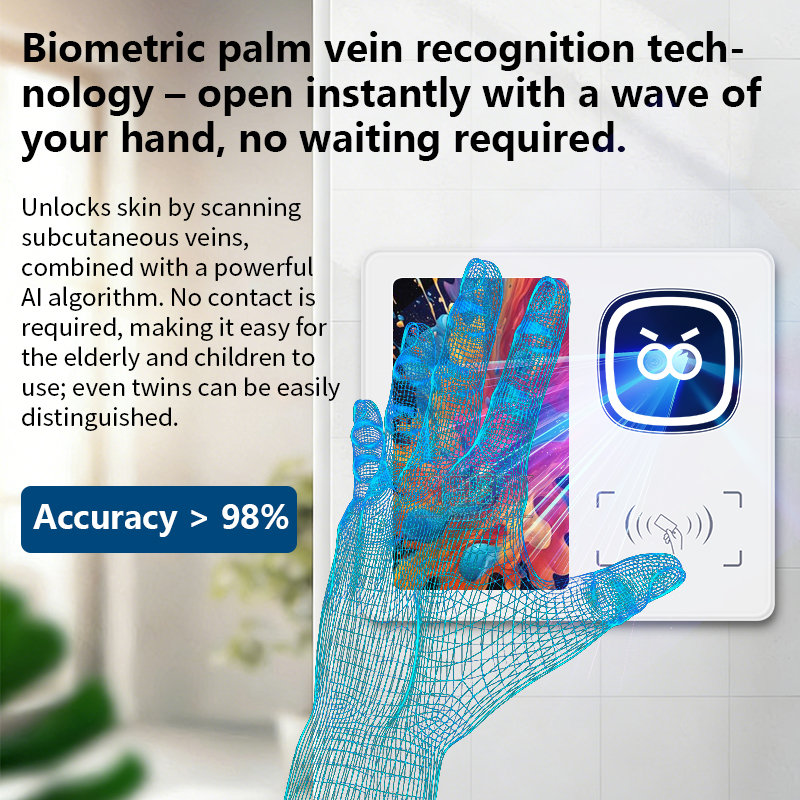
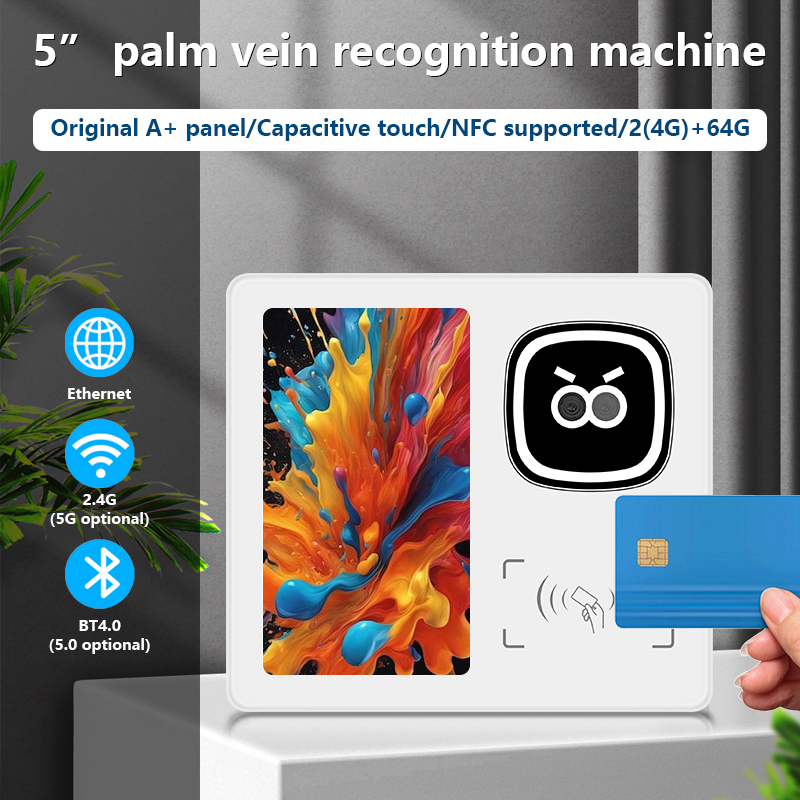
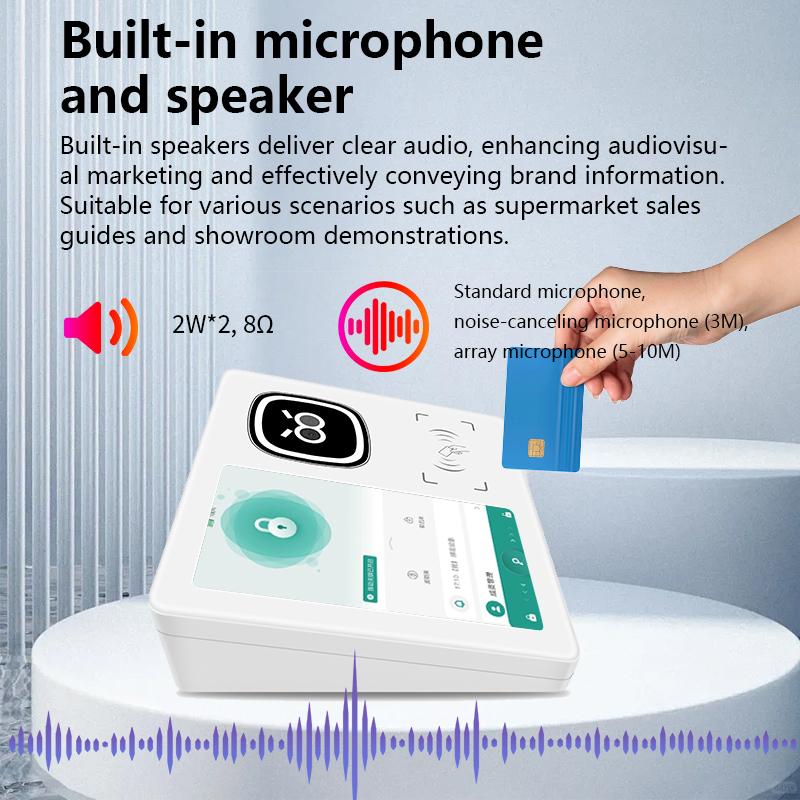

Biometric Palm Vein Reader 850nm Infrared Instant Recognition for Self-Service Kiosk Secure Hygienic Payment Solution
The 850nm Biometric Palm Vein Reader offers secure, hygienic, and contactless authentication for self-service kiosks, payment terminals, and access control systems. This module utilizes infrared technology for quick, accurate vein recognition, providing a seamless user experience. Ideal for system integrators and B2B distributors, it supports OEM customization and easy integration with your existing systems, ensuring both security and convenience for modern payment and identification needs.
- Parameter
- Products Description
- Recommended Products
Parameter
| Touch screen | 10-Point capacitive touch |
| Resolution | 1280*720 |
| Viewing angle | 85/85/85/85(L/R/U/D) |
| cpu | rk3568 |
| Contrast ratio | 700 |
| Luminance | 300cd/m2 |
| Aspect Ratio | 16:09 |
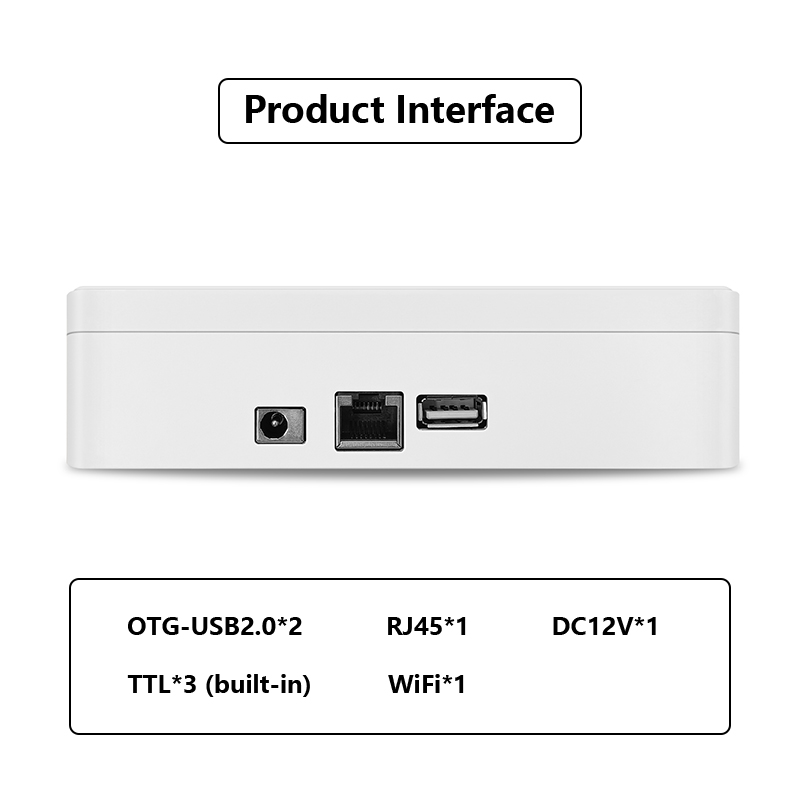
| Interface | |
| Card slot | SD card |
| USB | USB 3.0 host |
| Micro USB | Micro USB OTG |
| USB | USB for serial (TTL format) |
| RJ45 | Ethernet interface ( POE function standard IEEE802.3at,POE+,class 4, 25.5W ) |
| Power jack | DC power input |
Products Description
Title: Biometric Palm Vein Reader for Secure Self-Service and Contactless Payment Integration
In many commercial environments, traditional authentication methods are starting to show their limitations. Passwords can be forgotten or shared. RFID cards are lost or duplicated. Fingerprint scanners raise hygiene concerns and often struggle in high-traffic scenarios. For system integrators and solution providers building next-generation kiosks and secure access systems, these weaknesses translate into service calls, operational friction, and long-term maintenance costs. This is where a biometric palm vein reader built on 850nm infrared technology offers a practical alternative. It provides contactless, high-accuracy identity verification designed for real-world deployment in self-service kiosks, payment terminals, and secure access control systems. For procurement teams and channel partners, it represents a forward-looking authentication module that aligns with growing demand for hygienic and secure biometric solutions.

Designed for High-Traffic, Real-World Applications
In a self-service payment kiosk environment, speed and reliability are not optional. Users expect immediate response without physical contact. With palm vein recognition, the user simply positions their hand above the sensor. The device captures the vein pattern beneath the skin using near-infrared light, reducing dependency on surface conditions such as moisture, dirt, or wear. In hospital registration areas, this means hygienic check-in without shared touchpoints. In campus cafeterias or corporate dining halls, it enables fast, cardless payment tied directly to an internal account system. In financial service terminals or membership-based facilities, it adds an additional layer of security compared to conventional biometric options. Because vein patterns are internal and difficult to replicate, the technology naturally enhances fraud resistance without complicating the user experience.

Practical Feedback from Field Deployment
A kiosk solution provider integrating this palm vein reader into a municipal self-service payment system noted that the contactless experience reduced user hesitation compared to fingerprint-based systems previously deployed. According to their technical lead, integration was straightforward due to available SDK support, and recognition performance remained stable during peak usage hours. In another case, a regional system integrator working in the healthcare sector selected palm vein authentication to address hygiene concerns raised by hospital administrators. The shift away from shared touch surfaces helped improve user acceptance while maintaining identity accuracy. These implementations highlight not just the technical capability, but also the operational value in sensitive or high-volume environments.

Who This Product Is For
If you are a system integrator developing self-service kiosks, smart vending machines, payment terminals, or secure access systems, this biometric palm vein reader can serve as a core authentication module within your solution. If you are a procurement manager sourcing biometric hardware for large-scale deployment in transportation hubs, healthcare facilities, educational campuses, or enterprise environments, you will appreciate its balance between security and usability. For distributors and channel partners expanding into biometric authentication hardware, this product opens opportunities in sectors where contactless and hygienic verification is increasingly requested by end users.

Flexible Integration and OEM Customization
From a technical standpoint, the device is designed for integration rather than standalone consumer use. It supports API and SDK development, allowing you to connect it with payment platforms, identity management systems, membership databases, or access control software. This reduces development time and simplifies project deployment. OEM and ODM options are available to adjust housing design, interface configuration, branding elements, or firmware features according to your project requirements. For channel partners, this flexibility means the same core module can be adapted across multiple vertical markets, helping you build a more cohesive and competitive product portfolio without managing unrelated hardware lines.

How It Differentiates from Entry-Level Biometric Devices
Unlike consumer-grade fingerprint readers or generic facial recognition modules, palm vein recognition leverages internal biological characteristics. This improves resistance to spoofing and reduces performance variability caused by environmental conditions. The use of 850nm infrared technology ensures stable vein pattern capture under varied lighting scenarios, making it more suitable for commercial deployment. From a total cost of ownership perspective, fewer authentication errors and less frequent recalibration translate into lower service costs over time. For integrators and distributors, this means fewer field complaints and stronger long-term client relationships, which directly impact profitability and reputation.

Translating Technical Strength into Business Value
The contactless nature of the biometric palm vein reader supports hygienic interaction, a priority in healthcare, food service, and public facilities. Fast recognition speeds contribute to smoother user flow in high-traffic environments, improving throughput in kiosks or access gates. Compatibility with existing system architectures allows you to embed this module without rebuilding your entire solution stack. Compact design and flexible mounting options make it easier to integrate into new or existing hardware enclosures. These technical capabilities are not just specifications; they are factors that reduce project friction, shorten deployment cycles, and increase customer satisfaction.

Growing Market Demand and Channel Opportunity
As digital identity and cashless payment ecosystems expand, demand for secure and user-friendly biometric authentication continues to grow. Governments, enterprises, and service providers are seeking solutions that combine convenience with enhanced data security. Contactless biometrics, including palm vein recognition, are increasingly evaluated as alternatives to cards and PIN codes. For distributors entering or expanding in the biometric hardware segment, this represents a tangible opportunity to serve system integrators, kiosk manufacturers, fintech solution providers, and smart city contractors. Several regional partners have positioned palm vein authentication as a premium upgrade option within larger kiosk tenders, creating additional revenue streams beyond basic hardware supply.

Delivery, Support, and Risk Management
For project evaluation, samples can be arranged to support technical testing and integration validation. Minimum order quantities are structured to accommodate both pilot projects and larger rollouts. Production lead times are aligned with commercial project schedules, and quality control processes are designed for international B2B standards. Warranty policies and technical support are provided to assist with integration and post-deployment needs. For channel partners operating across different regions, coordinated logistics and documentation support help reduce procurement complexity and deployment risk.

Moving Forward with Your Project or Portfolio Expansion
If you are currently developing a self-service kiosk, secure payment terminal, or access control solution, this biometric palm vein reader can strengthen your authentication layer while maintaining user convenience. If you are exploring new biometric hardware to expand your distribution portfolio, it offers a differentiated product category aligned with current security and hygiene trends. You are welcome to reach out to discuss technical integration details, customization options, pricing structures, or evaluation samples. Whether your focus is procurement efficiency, system integration, or channel growth, the objective remains practical and clear: to deploy secure, contactless authentication hardware that performs reliably in real commercial environments.