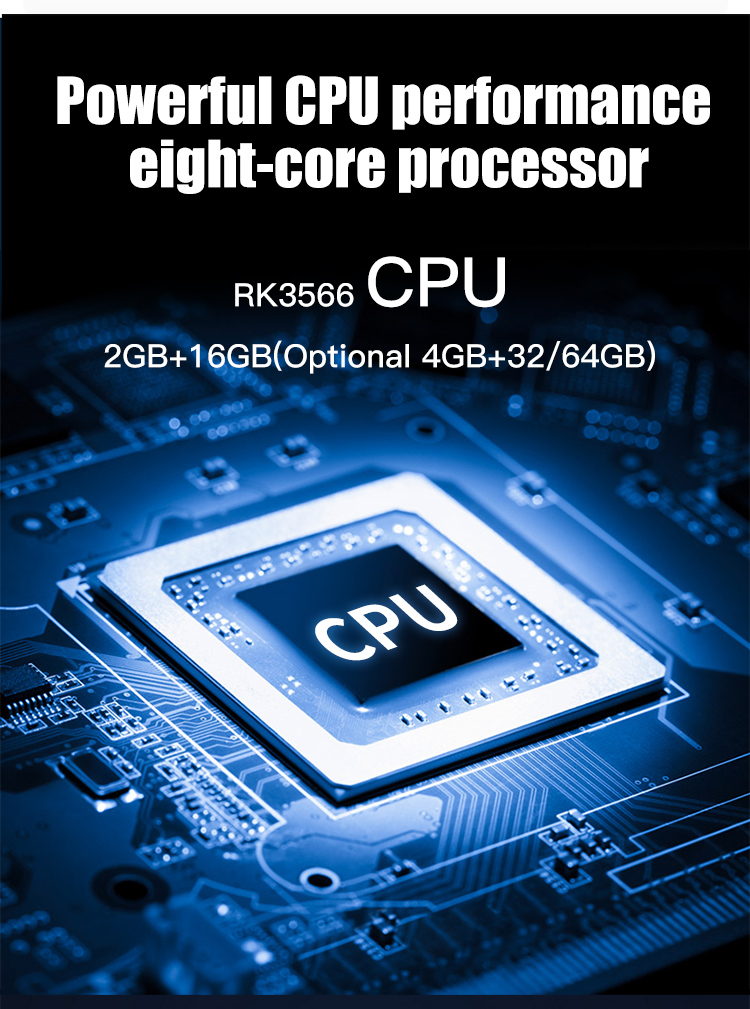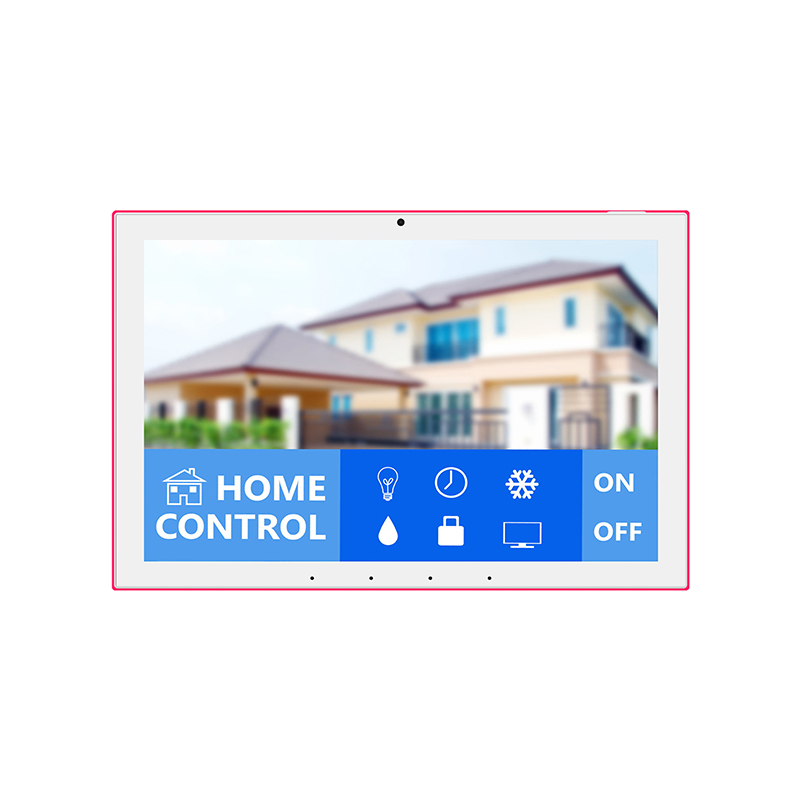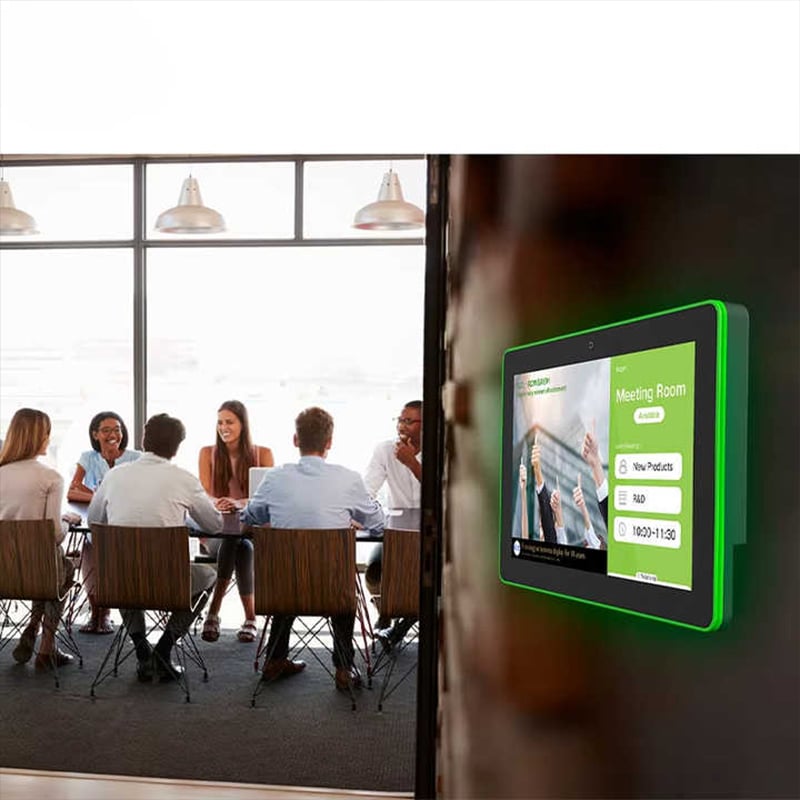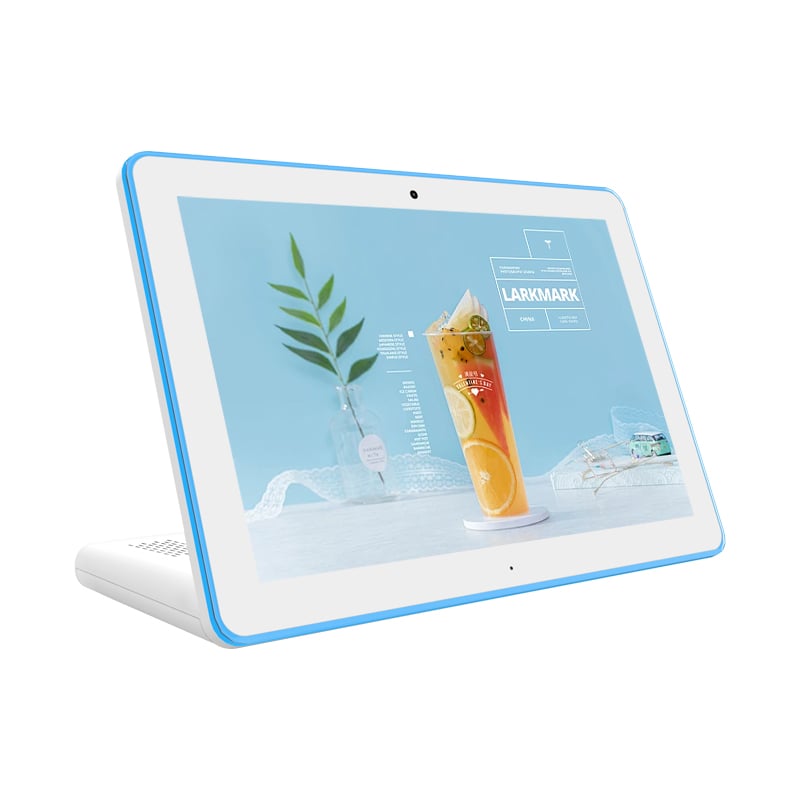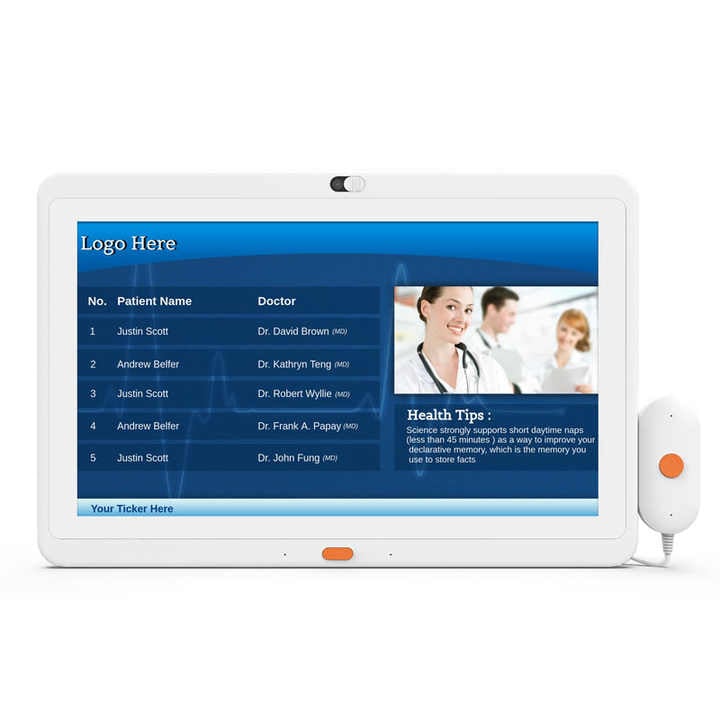

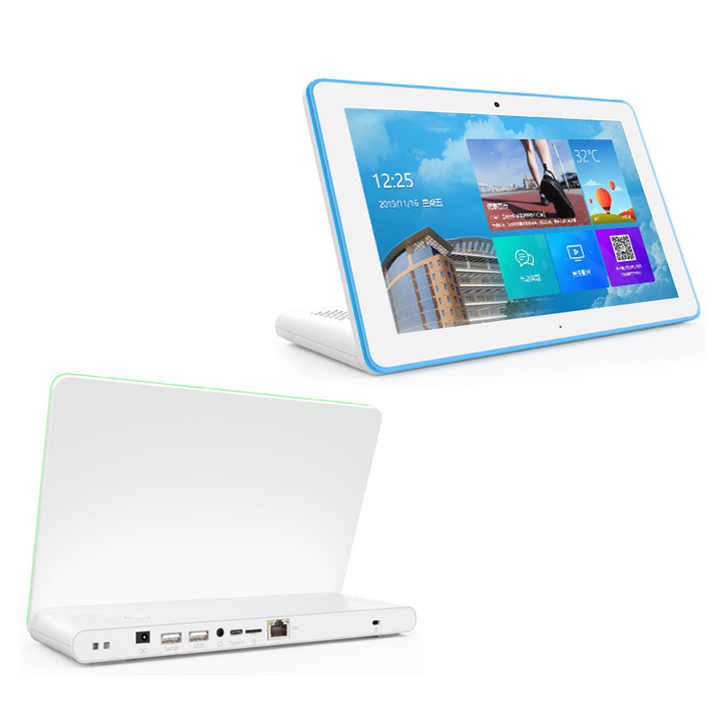
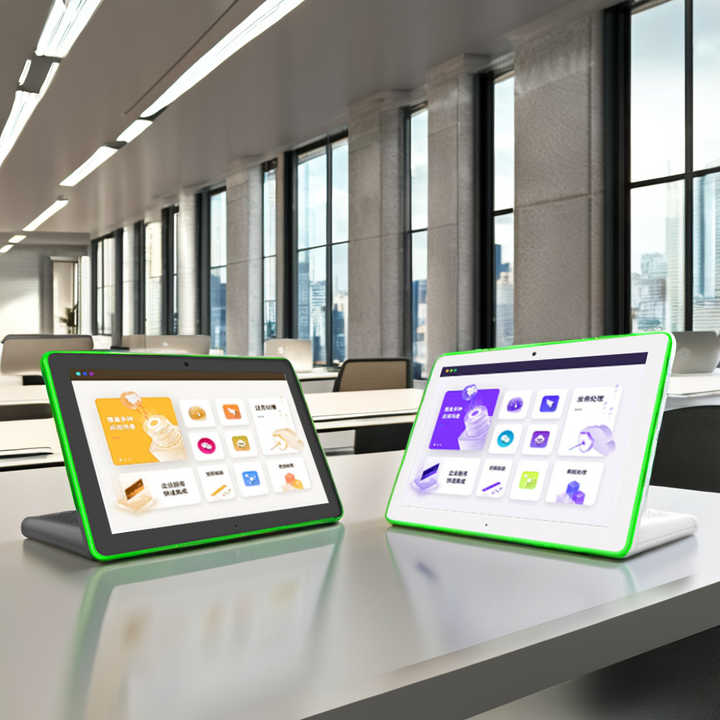
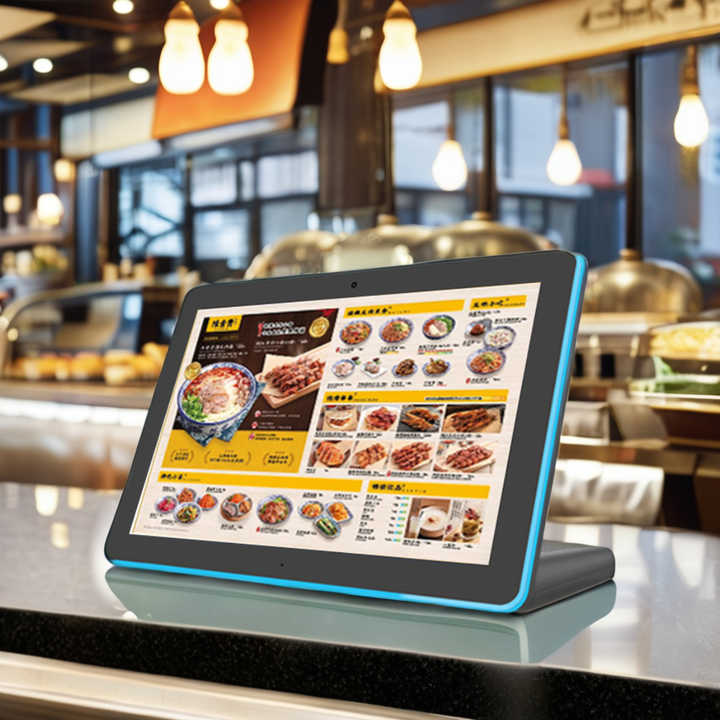
Powered by the RK3566 octa-core processor, this device delivers smooth and reliable performance for demanding self-service applications. Fast response ensures menus load quickly, orders process without delay, and multitasking remains stable during peak hours. Flexible memory options support different project scales, from single-store deployment to chain-wide rollout. For operators and integrators, this processing capability translates into consistent user experience, reduced system lag, and long-term reliability for the 10.1-inch Android restaurant ordering tablet in real-world dining environments.
Products
-
Meeting Reservation Tablet
-
Advertising Display Tablet
-
Restaurant Ordering Tablet
-
Smart TV (Big Tablet)
-
Smart Home Tablet
-
Medical Monitoring Tablet
-
Industrial Tablet
-
Rugged Tablet
Have any questions?
Please feel free to contactus. We will get back to you as soon as.
+86-13501581295 +86-13501581295 [email protected]
Audrey Zhang
Whatsapp
10.1-Inch Horizontal Android Restaurant Ordering Tablet for Self-Service & Digital Dining
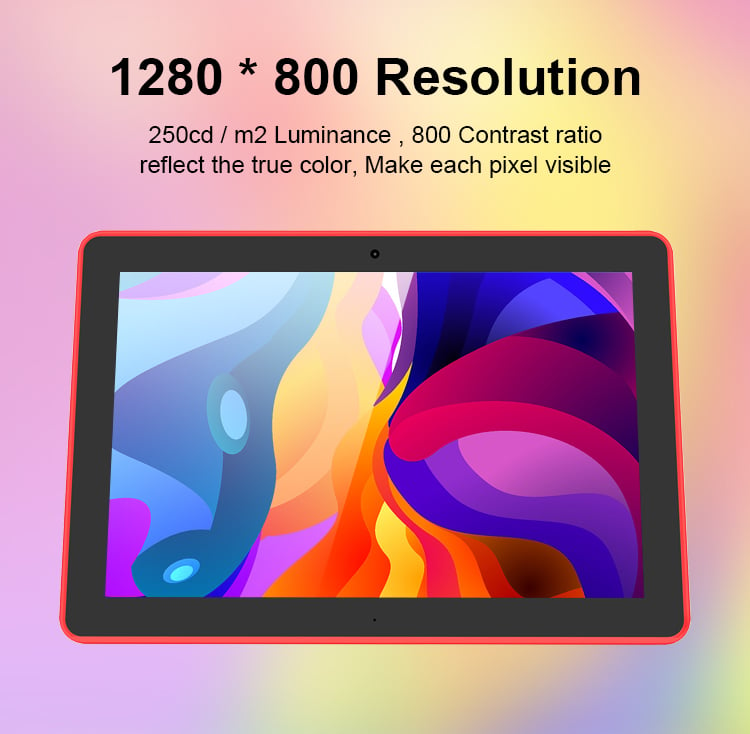
High-performance 10.1″ horizontal Android restaurant ordering tablet designed for self-service dining. Clear 1280×800 display with responsive touch, smooth Android operation, NFC & POE support, ideal for digital menus and fast ordering in restaurants, cafes or hospitality environments. Customizable for B2B deployment.
- Video
- Parameter
- Products Description
- Recommended Products
Video
Parameter
| System | |
| CPU | RK3399,Dual-core A72+quad-core A53 |
| RAM | 2GB |
| Internal memory | 16GB |
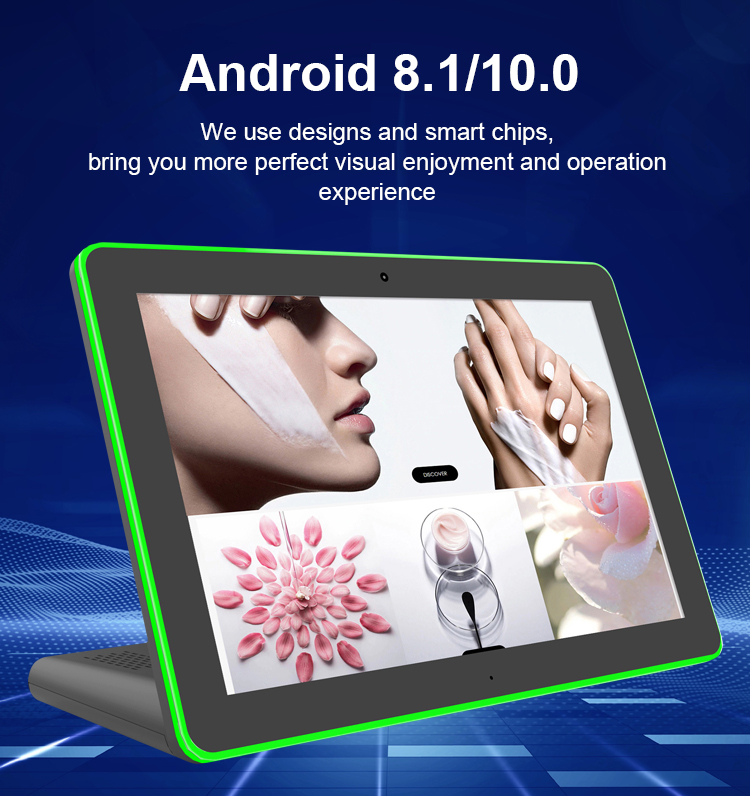
| Operation system | Android 7.1/8.1/9.0/10/11 |
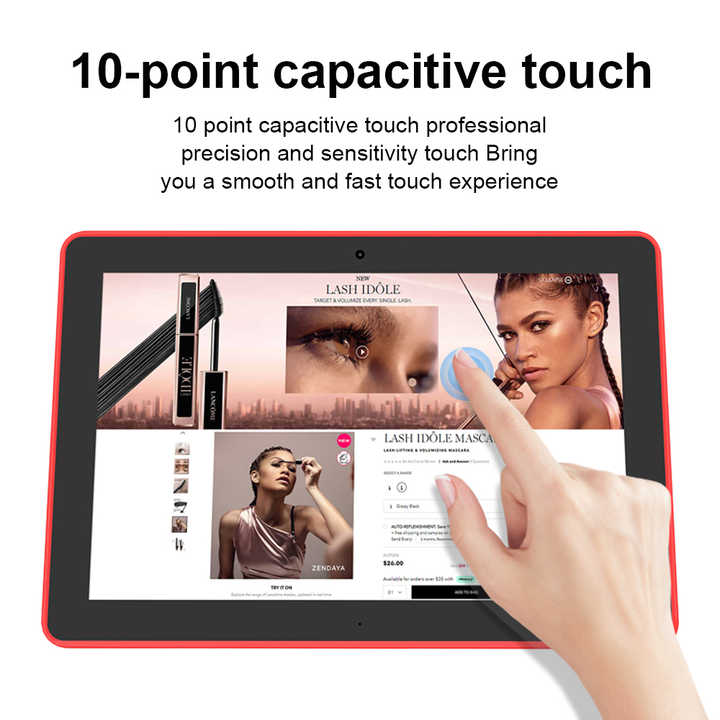
| Touch screen | 10-Point capacitive touch |
| Display | |
| Panel | 10.1"LCD |
| Resolution | 800*1280 |
| Display mode | Normally black |
| Viewing angle | 85/85/85/85 (L/R/U/D) |
| Contrast ratio | 800 |
| Luminance | 250cd/m2 |
| Aspect Ratio | 10:16 |
| Network | |
| Wi-Fi | IEEE 802.11ac/a/b/g/n 2.4G+5G |
| Ethernet | 10M/100M/1000M |
| Buletooth | Blue-tooth 4.1 |
| Interface | |
| Card slot | TF,support up to 32GB |
| USB | USB for serial (TTL Level ) |
| USB | USB host 3.0 |
| Type-c | Support full function |
| Power jack | DC power input |
| Earphone | 3.5mm earphone output |
| RJ45 | Ethernet interface |
| Media play | |
| Video format | MPEG-1,MPEG-2,MPEG-4,H.265,H.264,VC-1,VP8,VP9, etc.,support up to 4K |
| Audio format | MP3/WMA/AAC etc. |
| Photo | jpeg/png |
| Other | |
| NFC | Optional ,NFC 13.56MHz,ISO14443A/ISO14443B/ISO 15693/Mifare classic/Sony felica |
| Microphone | Single microphone |
| Speaker | 2*2W |
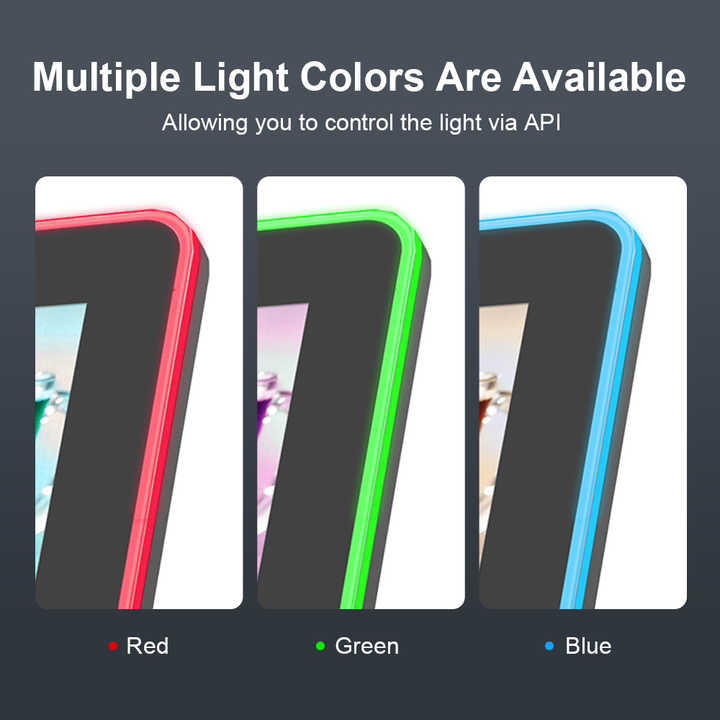
| LED light bar | LED light bar with RGB and mixed color |
| Camera | 5.0M/P,front camera |
| Language | Multi-language |
| Working temp | 0--40degree |
| Accessories | |
| Adapter | Adapter,12V/2A |
| User manual | yes |
Products Description
In table-service restaurants, the tablet functions as a digital ordering point that allows customers to browse menus, customize dishes, and submit orders without waiting for staff. This directly reduces peak-hour pressure and helps maintain consistent service quality even when staffing levels fluctuate. In quick-service restaurants and food courts, the device supports self-ordering workflows that shorten queues and improve order accuracy, especially during lunch and dinner rushes.
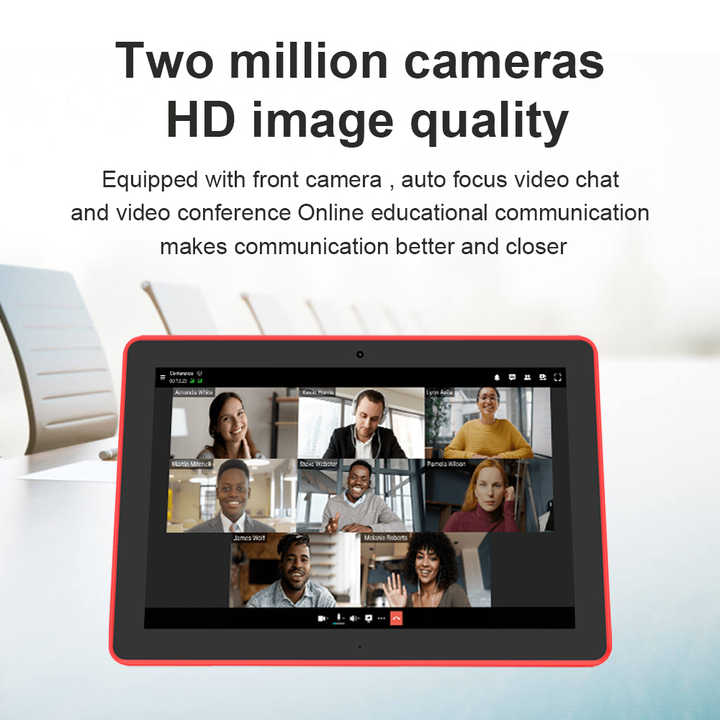
Because the screen is designed for horizontal viewing, it naturally fits tabletop use and shared customer interaction. The four-sided RGB LED light bar adds visual cues that help guide customers, signal order status, or draw attention in busy dining areas. Integrated camera and NFC support open the door to membership recognition, promotional interactions, or future service extensions without changing the hardware platform.
For restaurant operators, the result is a smoother ordering process and more predictable throughput. For integrators and distributors, it is a versatile self-service ordering terminal that adapts to different restaurant formats with minimal customization.
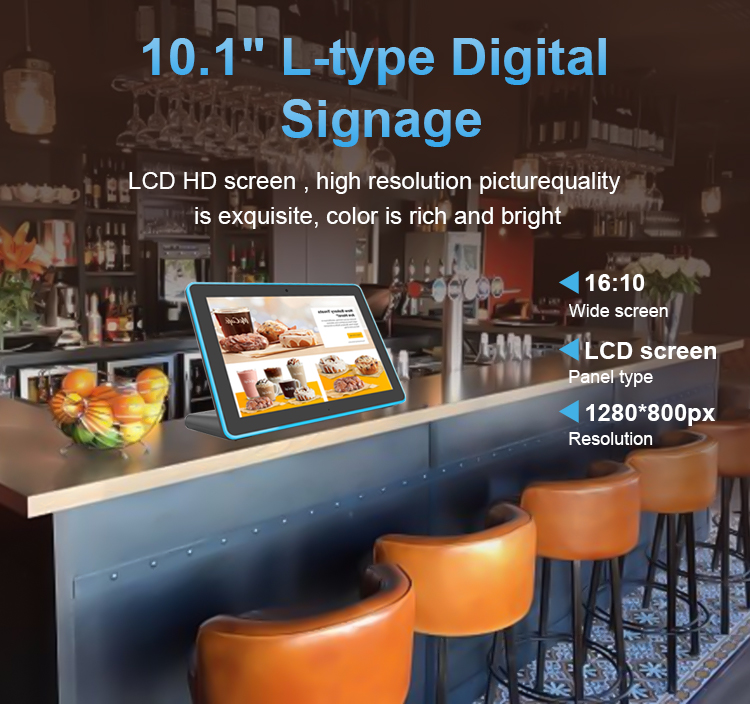
One casual dining chain that replaced paper menus and handheld ordering devices described the impact clearly: “Once customers started ordering directly on the table tablets, staff could focus more on service instead of order taking. Errors dropped, and table turnover became more predictable during peak hours.”
A quick-service operator shared a similar observation after deploying the Android ordering tablets in a pilot location: “We were concerned about stability at first. After several months of daily use, the system has remained responsive, and updates are much easier to manage remotely than with consumer tablets.”
These experiences highlight why purpose-built hardware matters in self-service environments.
This solution is particularly relevant for restaurant groups planning to standardize self-ordering across multiple locations. It allows headquarters teams to manage menus, promotions, and system updates centrally while maintaining consistent customer experience at each site.
Independent restaurants and cafés exploring self-service for the first time benefit from a device that is ready for commercial use without complex hardware adaptation. System integrators will recognize its value as a stable Android-based endpoint that fits naturally into broader restaurant management, POS, and kitchen display ecosystems. For distributors and channel partners, it offers a clear product category that aligns with growing demand for self-service ordering hardware in the food service market.
If your business focuses on restaurant technology deployment, hospitality automation, or digital ordering solutions, this platform fits naturally into your portfolio.
No two restaurant projects are exactly the same. This Android ordering tablet supports OEM and ODM customization to match branding, functional requirements, and deployment scenarios. Hardware configurations can be adjusted to support additional modules, while firmware and system behavior can be tailored to specific applications.
From a software perspective, the Android platform supports API and SDK access, making integration with POS systems, kitchen management software, payment platforms, and membership systems more straightforward. This reduces implementation time and lowers overall project risk. For partners, this flexibility makes it easier to address diverse customer requirements without maintaining multiple hardware models.
Consumer tablets are designed for personal use, not for continuous interaction in restaurant environments. When repurposed as table ordering devices, they often suffer from overheating, battery degradation, and inconsistent peripheral support. Maintenance becomes reactive rather than planned.
This restaurant ordering tablet is built with durability and long-term operation in mind. Power over Ethernet support simplifies installation and reduces cable clutter. Commercial-grade components improve uptime. Compared to low-end self-service terminals, it offers greater flexibility for customization and integration, making it easier to adapt as restaurant workflows evolve.
Over time, these differences translate into lower total cost of ownership and fewer operational interruptions, which directly impacts profitability for both operators and solution providers.
The 10.1-inch display size strikes a balance between visibility and footprint. It is large enough for clear menu presentation and intuitive interaction, yet compact enough for tabletop or counter installation. This improves usability without overwhelming the dining space.
The Android operating system ensures broad compatibility with existing restaurant applications and future software updates. It allows operators to deploy new features or promotions without replacing hardware. Stable processing performance means the interface remains responsive even during high-traffic periods.
Integrated connectivity options simplify system architecture. Reliable communication with backend systems ensures orders flow smoothly from customer to kitchen, reducing delays and errors. Each of these technical choices supports a business goal: faster service, better customer experience, and more predictable operations.
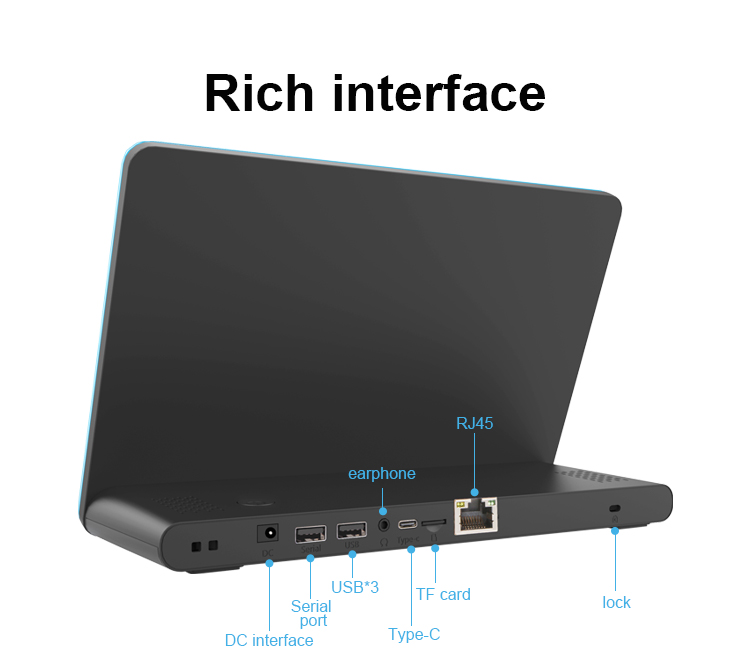
Designed for commercial self-service environments, this device offers a rich and practical interface layout that simplifies integration and long-term operation. Multiple USB ports, serial port, RJ45 Ethernet, Type-C, TF card slot, and DC power input allow easy connection to POS systems, printers, payment modules, and external peripherals. Wired network support ensures stable data transmission in busy restaurant environments, while the lock port adds an extra layer of physical security. For system integrators and operators, this interface design reduces deployment complexity and supports scalable projects based on the 10.1-inch Android restaurant ordering tablet.