10.1-Inch L-Shaped Android Ordering Tablet Designed for Modern Restaurant Operations
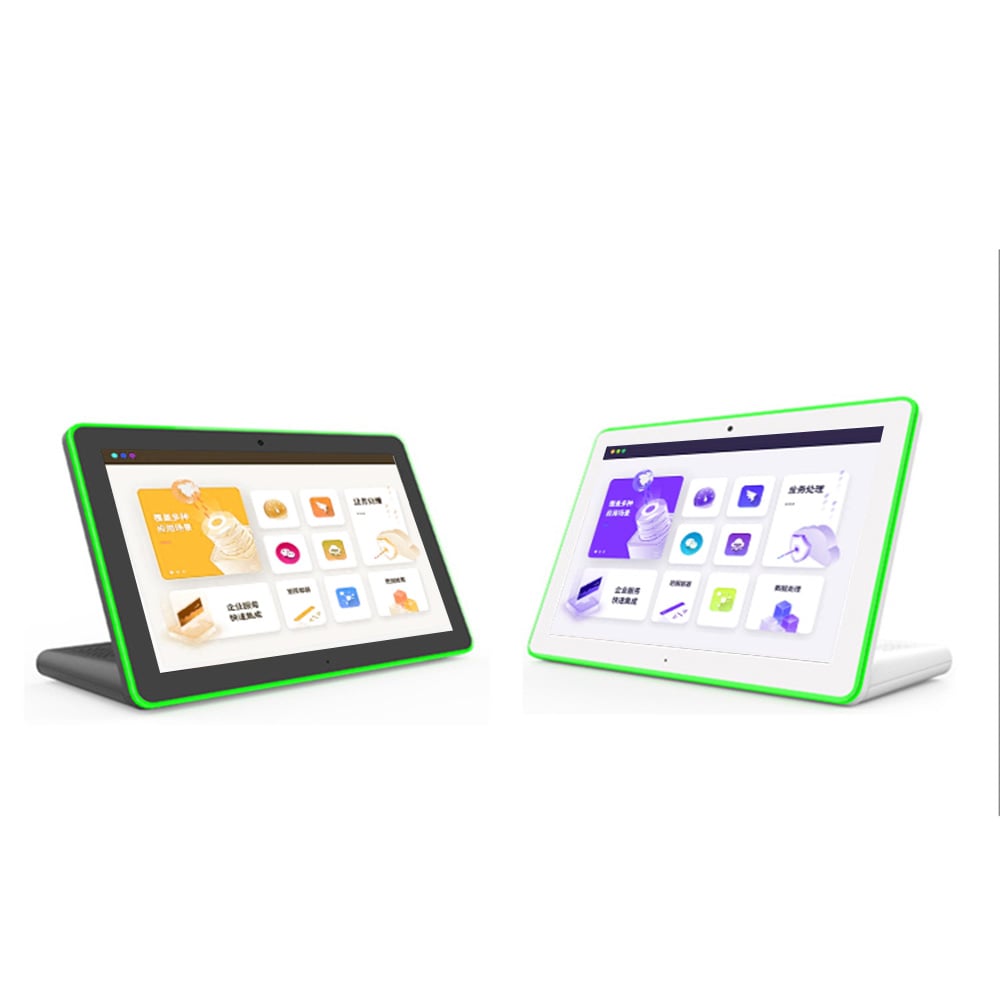
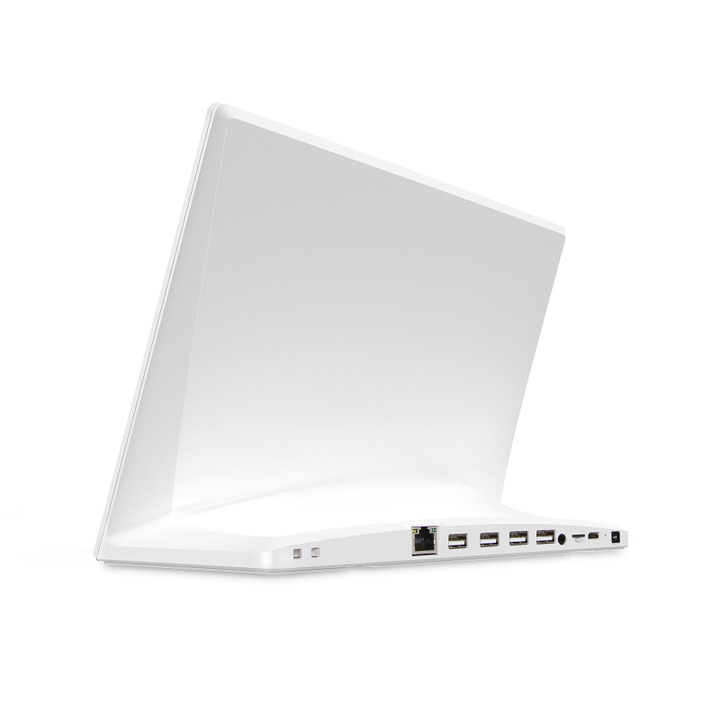
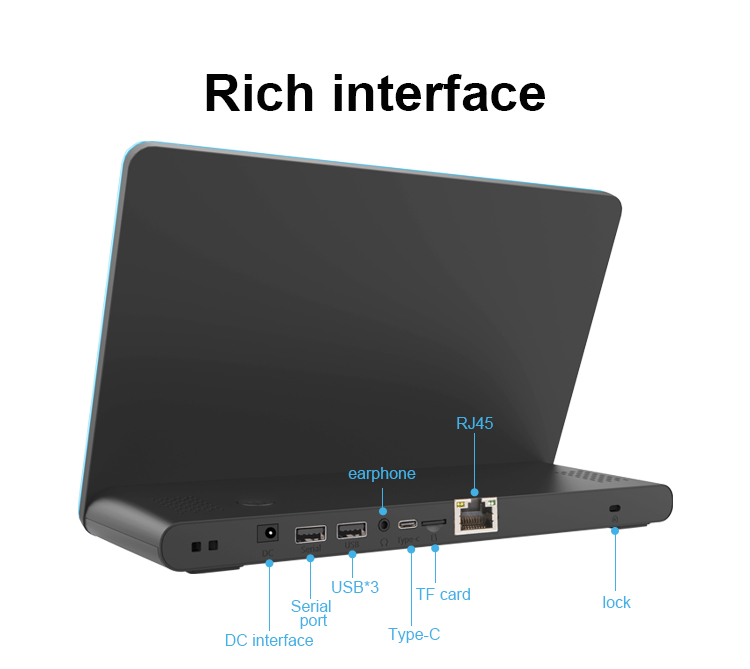
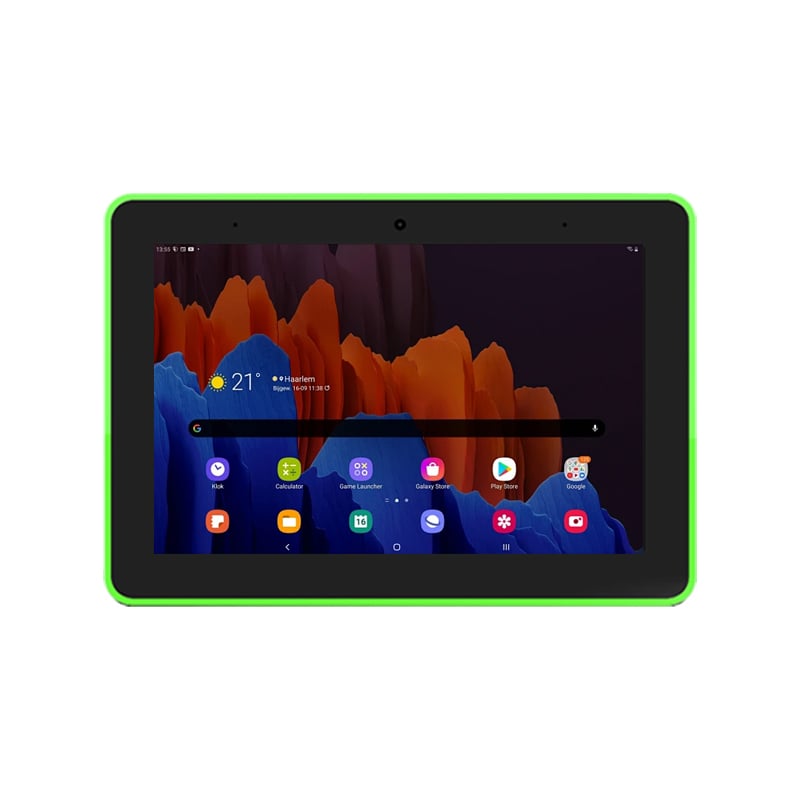
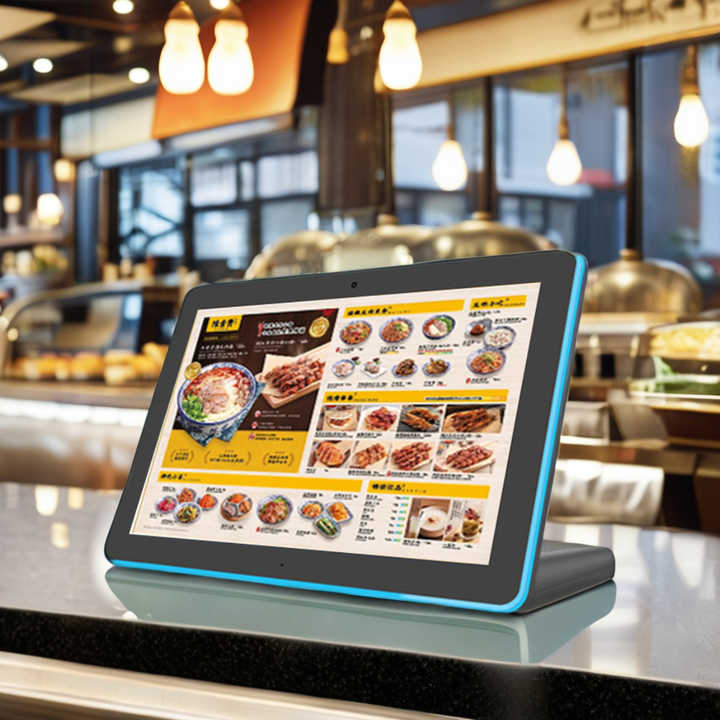
In many restaurants, the challenge is no longer whether to digitize, but how to do it reliably and at scale. Consumer tablets and generic stands often fall short once they are placed on counters for long hours. Cables become messy, screens feel unstable, and the overall experience does not match a professional dining environment. This 10.1-inch Android restaurant ordering tablet was developed to address those gaps. With an RK3399 processor, POE support, and a distinctive L-shaped desktop design with LED light bar, it offers a stable, visually integrated solution for self-ordering and service interaction. For procurement managers, system integrators, and channel partners, it represents a practical way to upgrade restaurant workflows while opening opportunities for standardized, repeatable deployments.
Designed for Real Front-of-House Scenarios
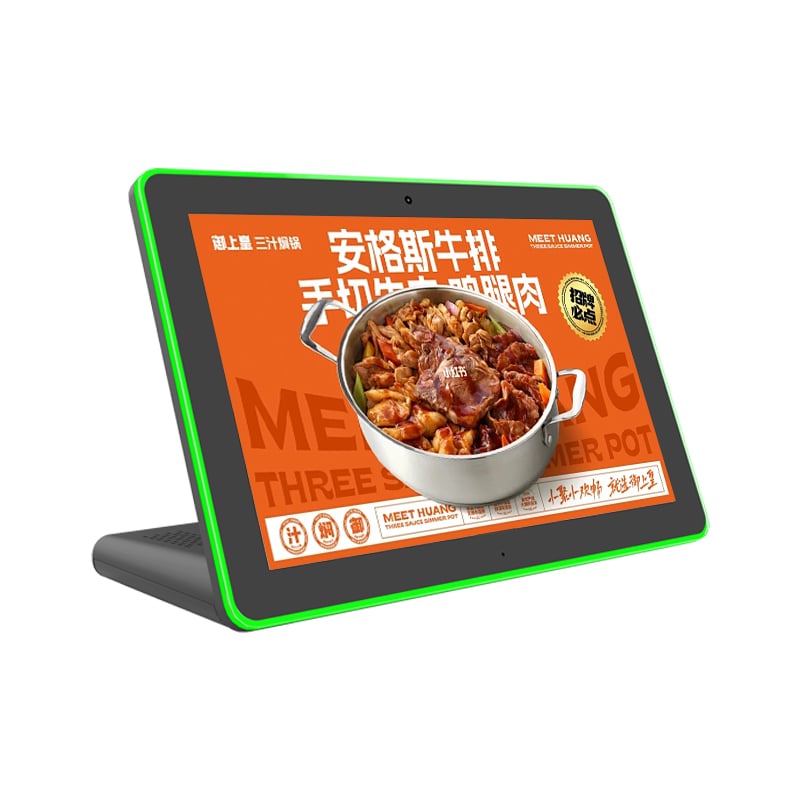
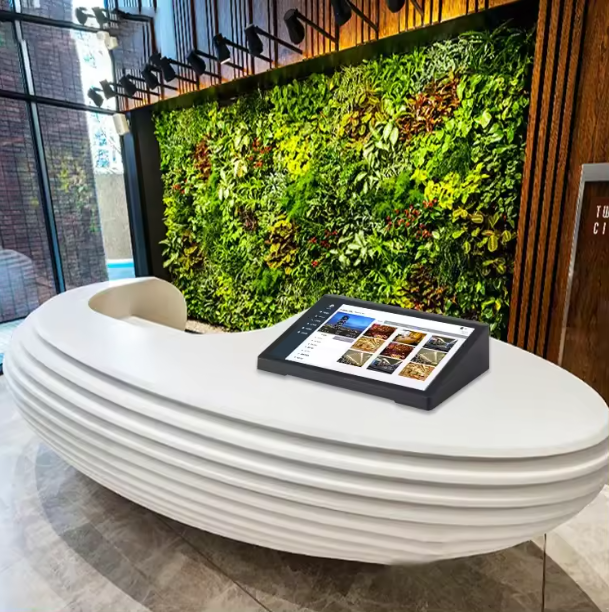
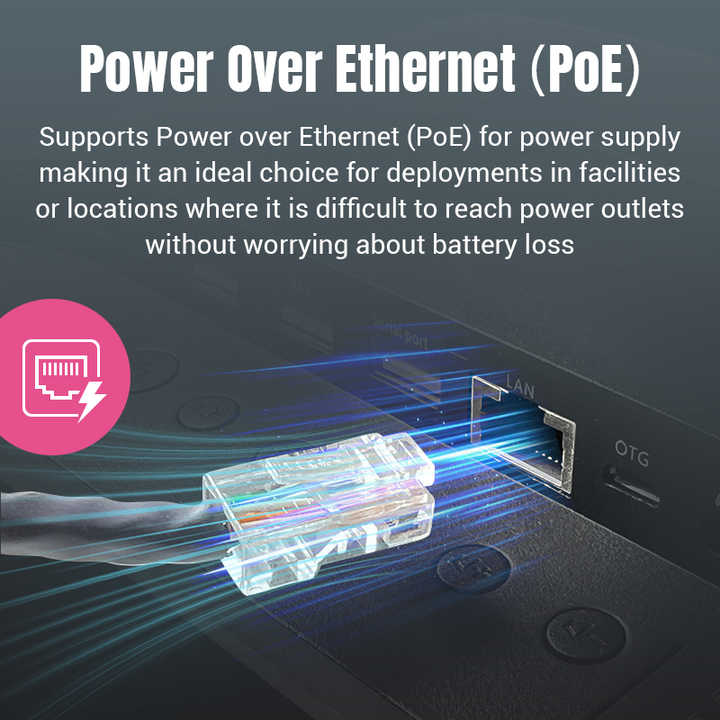
In quick-service restaurants, cafés, and casual dining chains, the ordering terminal is often the first point of interaction. This tablet’s 10.1-inch display provides a comfortable balance between visibility and footprint, making menus easy to read without occupying excessive counter space. The L-shaped desktop structure keeps the screen at a natural viewing angle, improving customer interaction and reducing accidental tipping or movement. POE support simplifies installation by combining power and network into a single cable, which is especially valuable in clean counter layouts or high-traffic areas. The integrated LED light bar adds subtle visual feedback, helping guide users during ordering or payment without distracting from the overall dining experience.
Business Value Behind the Technology
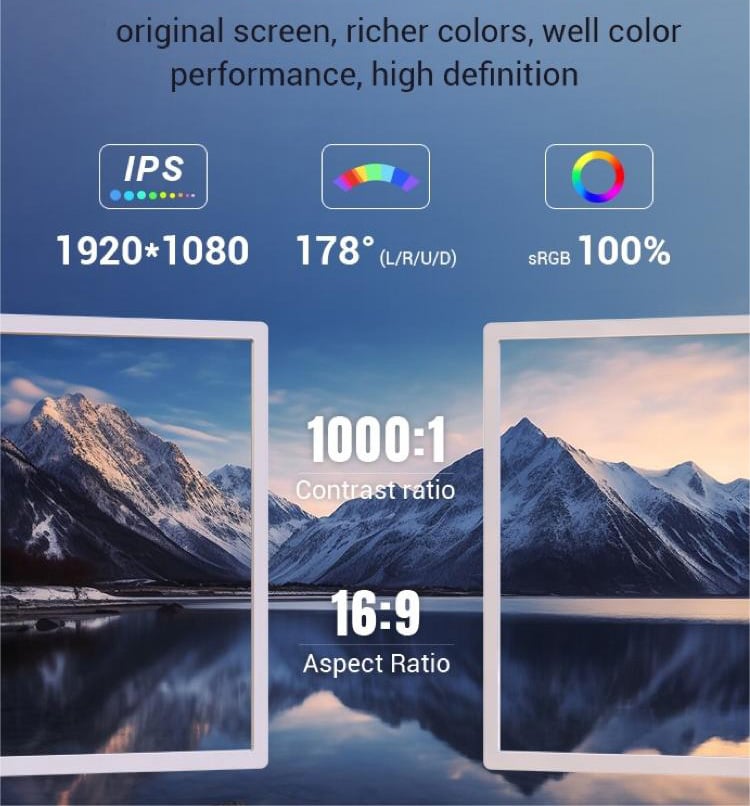
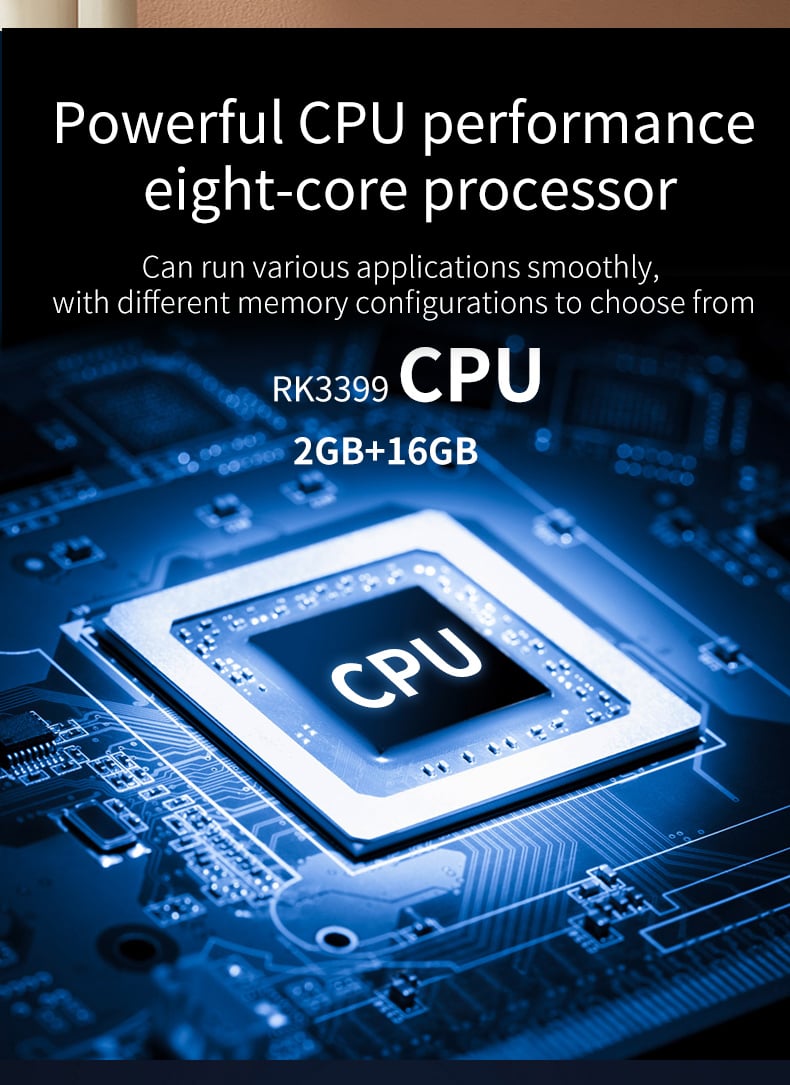
The RK3399 processor delivers smooth performance for interactive menus, multimedia content, and background system tasks without noticeable lag. The 10.1-inch display ensures clear visibility under typical indoor lighting, supporting accurate ordering and promotions. POE connectivity improves network stability and simplifies installation planning. The LED light bar provides intuitive visual cues that enhance usability without adding complexity. Each technical element is chosen to support consistent service, predictable operation, and easier system management rather than to chase specifications alone.
What Customers Experience After Installation
One system integrator working with a regional fast-food brand noted that the L-shaped design immediately reduced cable clutter and installation time across multiple stores. Another restaurant operator shared that customers adapted quickly to the interface, and the illuminated status indicator helped staff confirm order progress at a glance during busy periods. These small, practical details contribute to smoother daily operations rather than dramatic changes, which is often what operators value most.
Market Demand and Partner Opportunities
As restaurants continue to invest in self-ordering and digital service models, demand is shifting toward hardware that looks professional, installs cleanly, and operates reliably over long periods. Partners in different regions have successfully positioned similar desktop ordering terminals as part of complete smart dining solutions, combining hardware, software, and ongoing support. Adding this 10.1-inch Android ordering tablet to your portfolio allows you to address these projects with a product that is easy to explain, deploy, and support.
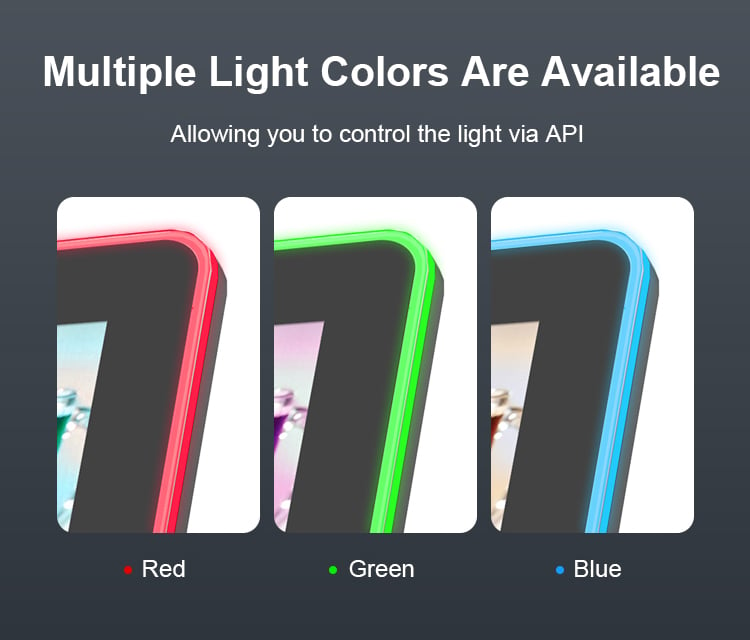
API-Controlled LED Light Bar for Clear User Interaction
The integrated LED light bar adds functional value to this Android restaurant ordering tablet, offering multiple light colors that can be controlled via API. Different colors can be used to indicate order status, payment progress, or system prompts, improving front-of-house communication without relying on staff intervention. For system integrators and restaurant operators, this visual feedback enhances user guidance and workflow clarity while supporting customized interaction logic across self-service and ordering scenarios.
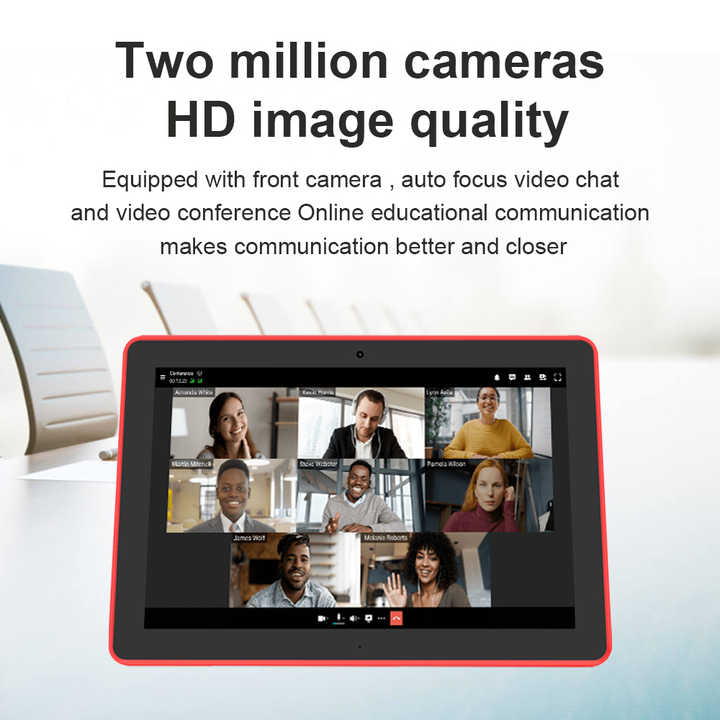
Integrated Front Camera for Video Interaction and Remote Support
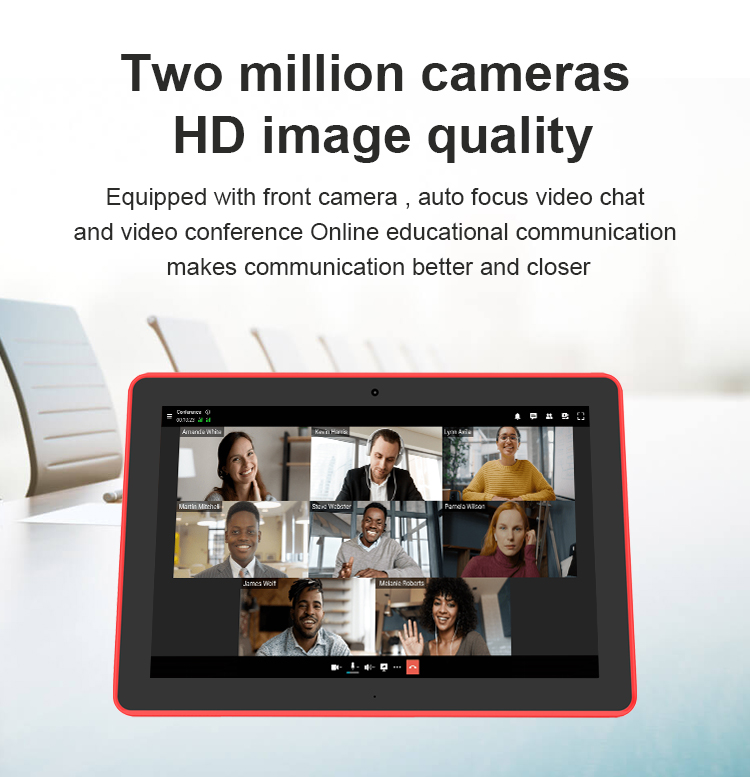
The built-in front camera enables this Android ordering tablet to support video-based interaction beyond traditional ordering. With clear HD image quality, it can be used for remote assistance, staff communication, identity verification, or customer support scenarios. For system integrators and service operators, this camera expands application possibilities while keeping the restaurant ordering tablet suitable for both self-service and hybrid service environments.
Let’s Discuss Your Project or Market Plan
If you are evaluating hardware for an upcoming restaurant project or looking to strengthen your channel offering, this Android restaurant ordering tablet is a solid starting point. We welcome discussions around application scenarios, customization needs, and market strategy. Samples, technical documentation, and commercial proposals are available to support your evaluation. The right hardware should simplify deployment and support long-term growth, and that conversation can start here.