

Tabulae Industriales: Columna Vertebralis Fabricationis Intelligentis. Solvens Problemas Hodiernas Officinae per Instrumenta Digitalia
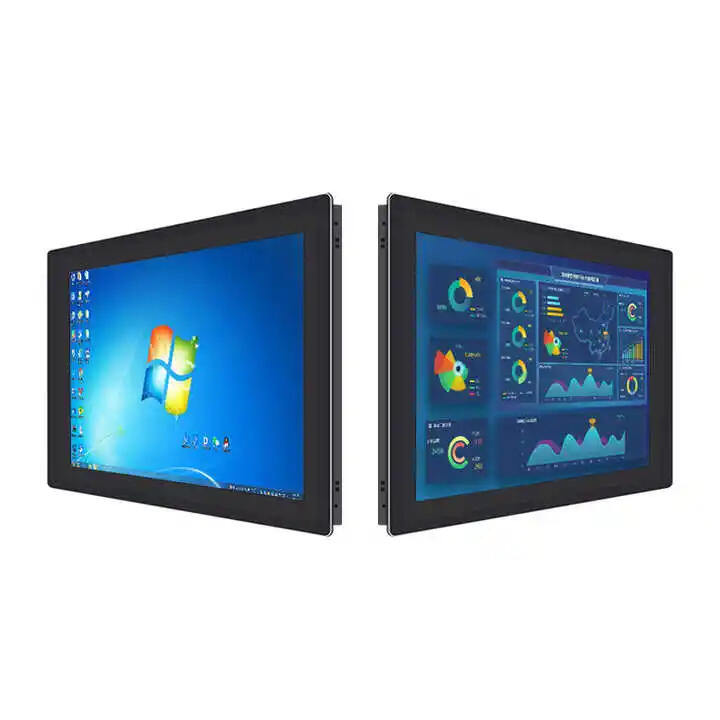
In hodierno celeri manufacturandi ambitu, fabricae percontantur vias ad efficaciam augendam, tempus cessandi minuendum et qualitatem producti servandam. Methodi traditae, quae formulis cartaceis, annotationibus manualibus aut solitariis PC utuntur, saepe his desideriis deficiunt. Errata, dilationes et mala intercommunicatio costosas interruptiones efficiunt. Ascensus tabulae industriales operationes fabricarum revocavit, offerens accessum ad data reali tempore, integrationem automationis et meliorem connexionem per totum locum productionis.
Ab iis, quae in lineis assemblagii vel stationibus inspectionis qualitatis sunt, instrumenta industrialis gradus necessaria fiunt. Utendo tabula industrialis robusta , fabricae fluxus operationum inspicere, rebus inventarii tenere ac operationes coordinare possunt sine solius dependendi a cameris centralibus de controllo. Haec instrumenta ita facta sunt ut asperas conditiones patiantur, interdumque intuitionali interfaccie tactilis ut processus complexos simpliciores fiant.
Quae Industrialia Tabellaria in Fabricatione Necessaria Efficit
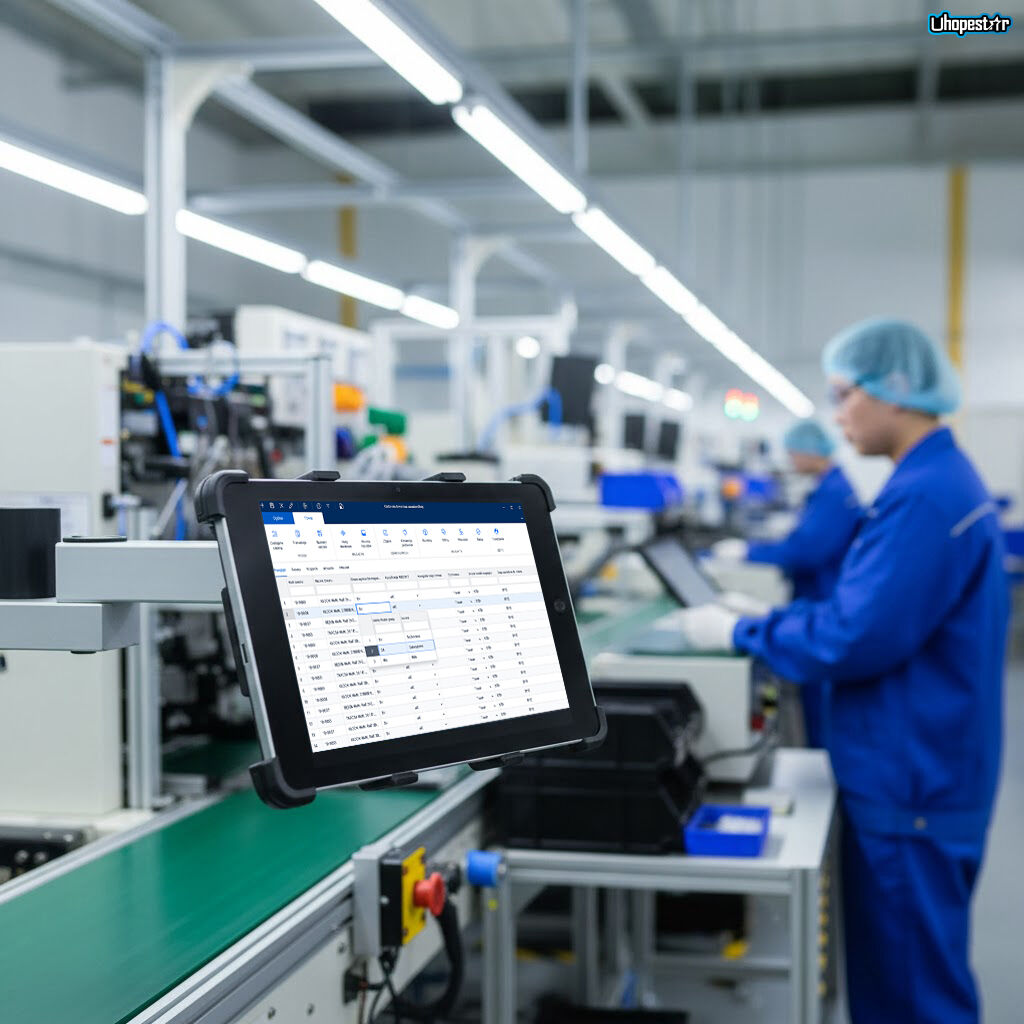
Praecipua utilitas tabellarii automationis fabricae in eius coniunctione firmitatis et functionis sita est. Contrarium tabellariorum ad usum vulgarem, haec instrumenta ad temperaturas extremas patiendas, ad pulverem aquamque repellendam, atque ad vibrationes, quae in planitiis fabricarum frequenter inveniuntur, ferendas fiunt. Saepe includunt Tabellaria industrialia IP65 claustra, constructionem a contragrandibus munitam, et Tabellaria CE ROHS certificata ad normas securitatis et regulativas servandas.
Tabellaria tactilia gradus industrialis integre cum Systēmātibus Fabricandī Exsecūtiōnis (MES), scrīniīs SCADA, et aliīs platēismātibus ūniversitātis, rēalem tempus ūnā cum cōgitātiōne praebente. Operārīī eōs utī possunt ad rēgiminis māchinārum, examinanda qualitātis, et sequendīs rēbus in magazīnō, necessitātem plūrimōrum dīspōsitīvōrum aut chartāciōrum labōrum minuendo. Praeterea, prōfecta tabellae contrōlīs industriālis frequentissimē perīpherica ut scannerēs codicum strīctilium, lēctōrēs RFID, et interfaciēs serīālēs admittunt, ita vāriās applicātiōnēs industriālēs versātīlēs reddentēs.
Applicātiō Rēālis: Optimizātiō Līnae Prōductiōnis
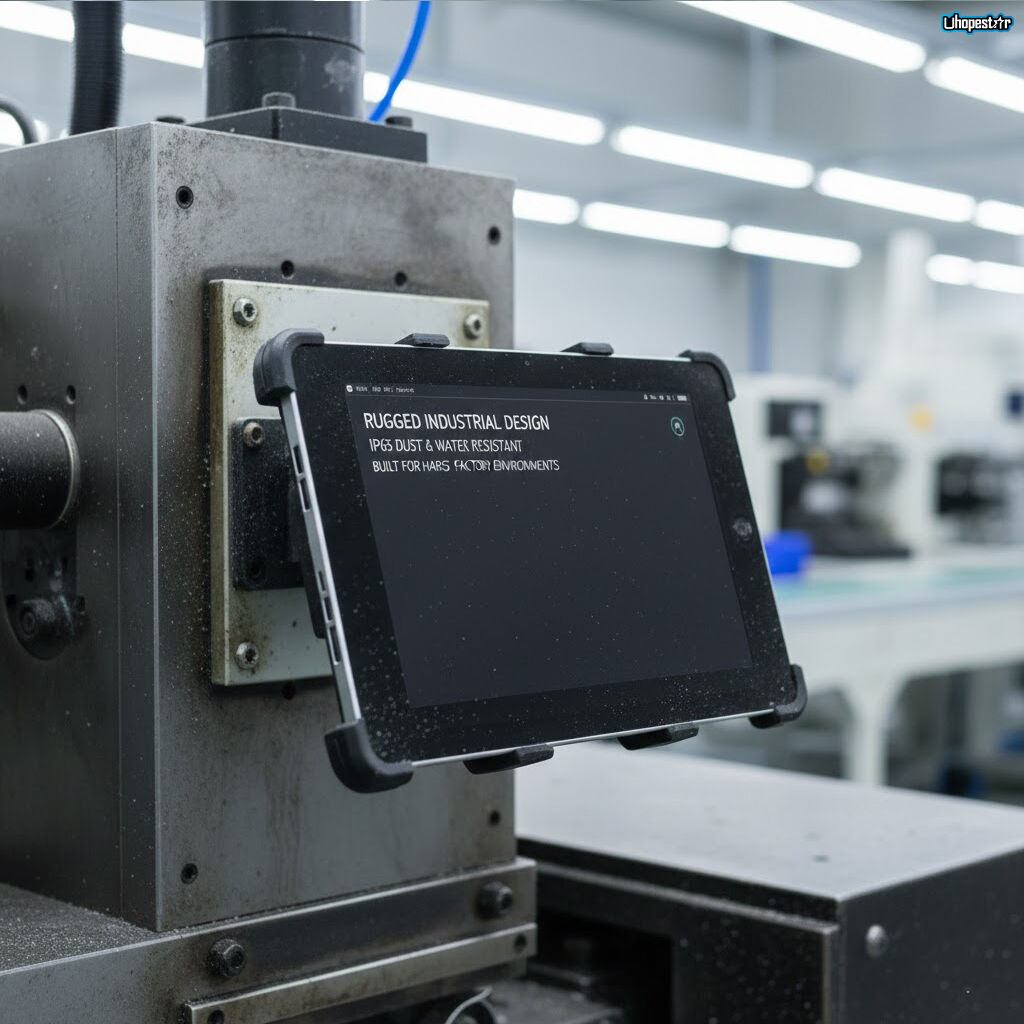
Cōgitā fābricatōrem electrōnicōrum mediocris magnitūdinis quī suam līnam assēmblandī mēliōrāre velit. Antehac, praefectī pānellīs immōtīs et sōnoribus scrīptīs ad stātūs prōductiōnis observandōs nītēbantur. Morae et male intellectiōnēs saepius accidēbant. Postquam tabellae industriālēs pro līnīs fābricandī , membra ēquīpāmentī accessum ad scrīnia vīva habuērunt quae statum māchinārum, progressum ōrdinum, et mētrās qualitātis ostendēbant.
Technici possunt statim inscribere resultata inspectionis usura tabulam robustam ad manufacturam , dum ingeniores parametra processus remote corrigunt. Tabula industrialis cum portis RS232/RS485 facilitat communicationem directam cum machinis antiquis, tollens tempora interrupta propter interventiones manuales. Haec perfecta integratio demonstrat pretium tabularum HMI industrialium in conectendo stratis digitalibus et physicis productionis.
Augenda Mantentio et Operationes Securitatis
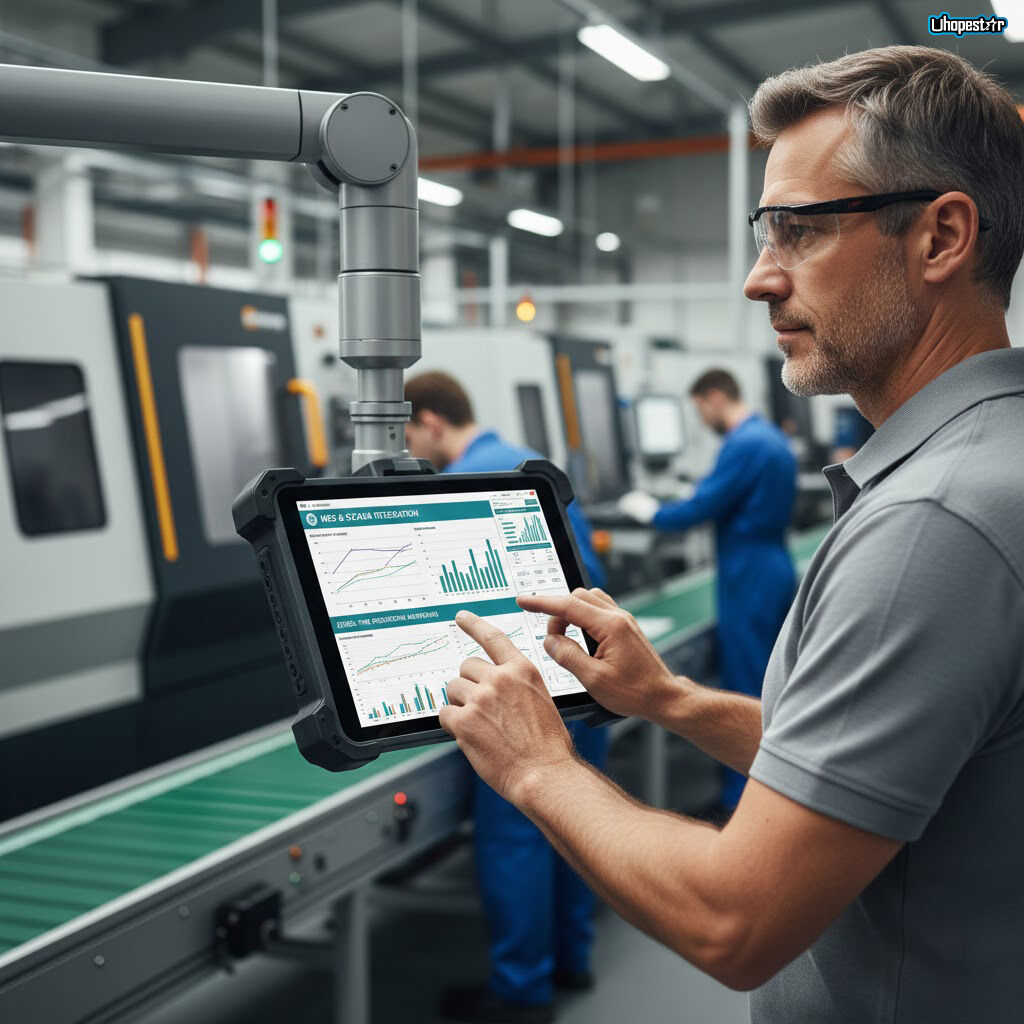
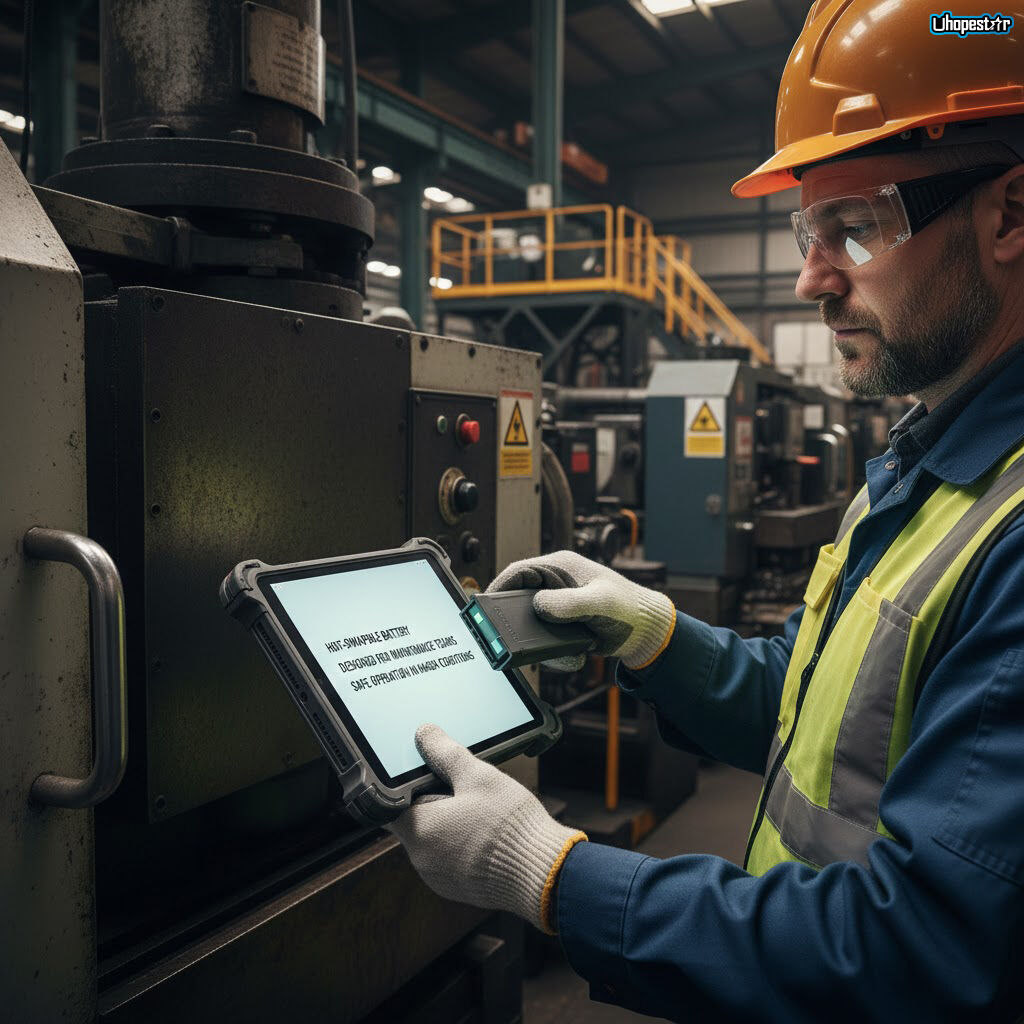
Mantentionis aequipes magno proficit ab tabulis industrialibus cum bateriis calidē mutandis . Haec instrumenta technicis permittunt inspectiones continuas machinationum sine interruptione perficere, etiam in locis cum accessu electricitatis limitato. Per adhibendum tabulas industriales a vibrationibus munitas , operarii tuti in locis cum machinis gravioribus operari possunt, sine cura de defectu instrumentorum.
Protocolla securitatis expediuntur per tabulas industriales pro systematibus SCADA , quae monitiones statim de anomaliis machinationum praebent. Cum Optionibus tabularum industrialium ATEX certificatis , operationes in locis periculosis tuebantur, adimpletione normarum securitatis strictarum dum efficiens manet. Coniunctio tabulae industrialis ad temperaturam explorandam efficit ut processus sensibiles intra fines optimos maneant, reiectis minuendis et constantia producti meliorata.
Logistica et gestionem inventorii efficiendi
Horrea et centra distributionis etiam amplectuntur tabulas robustas ad operationes horreorum . Haec instrumenta faciliorem reddunt inspectionem inventorii, observationem copiarum, et relationes automatizatas. Cum tabula industriali cum lectori codicum linearium capacitatibus, operarii cito systema actualizare possunt, errores humanos minuentes et tempora resitutionis meliorantes.
Applicationes computandi ad limbum in tabulis industrialibus ad automationem logisticae permittere elaborationem localis datarum, quae decisiones accelerat. Rectores navigationes inspicere possunt, motum substantiarum observare, et operationes inter plura loca coordinare, absque opere servorum centralium. Versatilitas tabularum industrialium planarum pro proiectibus OEM ut ad specificalis operationes magazinarum aptari possint.

Comparatio Tabularum Industrialium cum Solutionibus Traditionalibus
Adoptio tabulae HMI Android industriales praebet clara praevantagia super tradicionalibus PC industrialibus vel systematibus chartaceis. Contra PC stationaria, haec tabula mobilitatem et accessum in tempore reali ad data offerunt, simulque Tabulae IP65 industriales capaces sunt durandi in conditionibus asperis. Comparata cum panelibus HMI conventionalibus, tabula industrialis robusta s sunt modularia, saepe plures optiones connexionis iuvantia, et transferri possunt dum dispositiones productionis mutant.
Efficientia pretii est alius factor. Licet investitio initialis maior esse possit quam systemata traditionalia, redactio interruptionum, melior visibilitas cursus operationum et pauciores errores in significativo reditu investitionis resultant. Conservatio simplicatur, et integratio cum platformis programmatum enterprise permittit deployment scalable per multiplices sedes fabricae.
Instruenda et Praxis Operationalis Optima
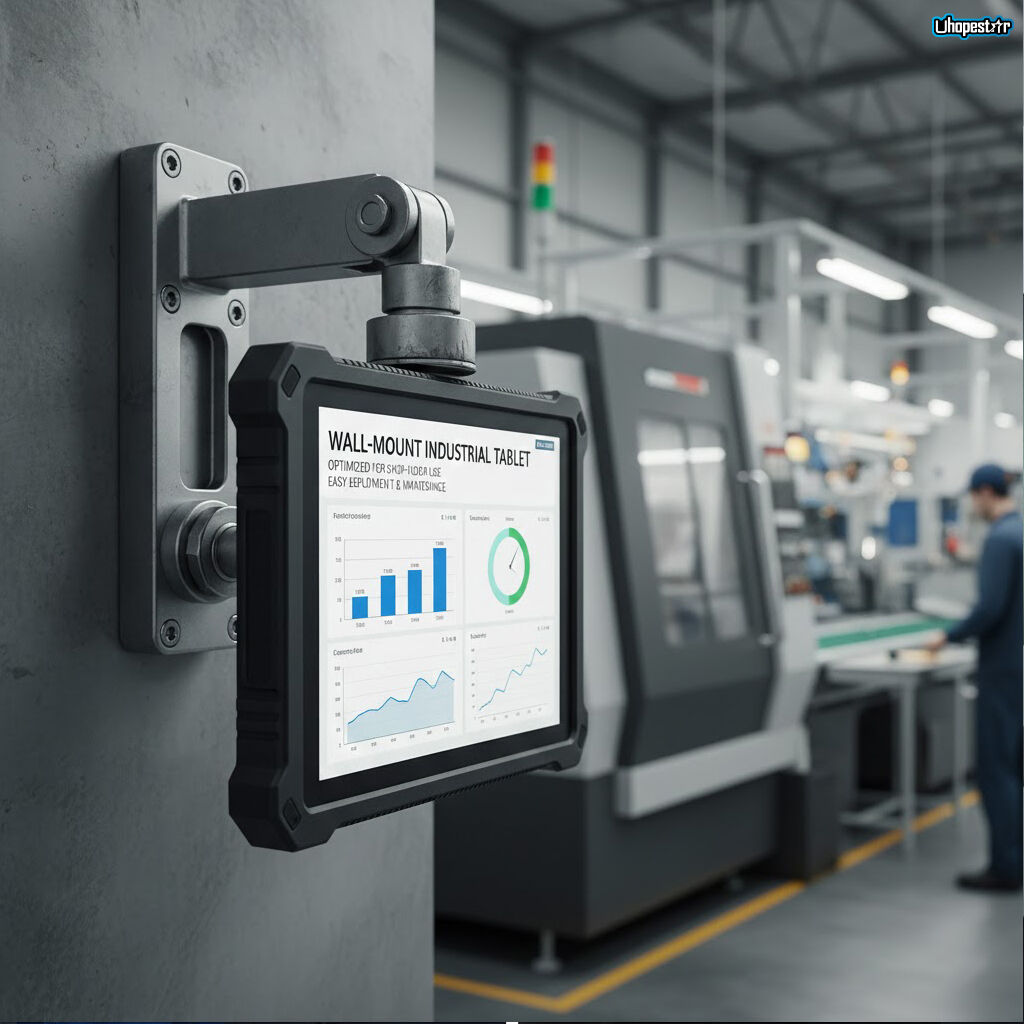
Ut efficacitatem displays tactilia industrialia pro fabricis , installatio et praeparatio recta necesse est. Montatio tabellae industrialis cum brachiis montandi parieti ad stationes principales aditum facit, dum dispositiva a damno teguntur. Permissiones utentium constituere et tabellas cum systematibus MES et ERP integrare securitatem ac efficacitatem augent.
Mantentio regularis, inclusis crementis firmaturae et mundificatione pro ambientes ubi pulvis colligitur, vitam dispositivi prolongat. Usus tabellarum industrialium ad mantentionem pro diagnosticis cotidianis defectus praecurrere potest, interventiones activas permittens. Docendo personalem ut tabellas automationis officinae plene utantur, adsumptio constans firmatur et emolumenta productivitatis maximizantur.
Perspectiva Futura: Fabricatio Intellegens et Industria 4.0
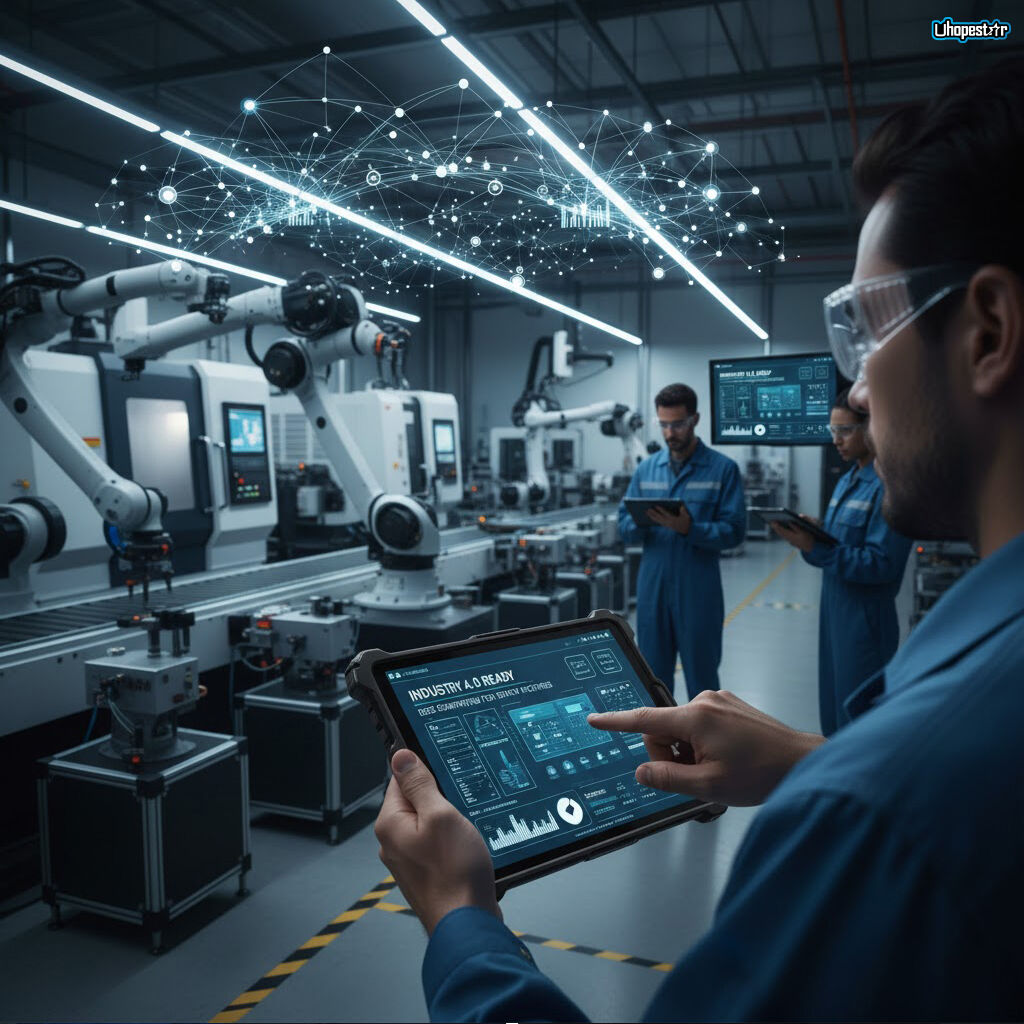
Tendentia ad tabulas computantium periphericum pro fabricis intelligentibus accelerat. Fabricae progrediuntur praeter simplicem automationem ad media interconecta, quae ex dato reguntur. Tabulae industriales partem praecipuam agunt, iungentes machinas, operarios et programma analytica ut maintenance praedictiva, processus adaptivi, et custodia qualitatis in tempore vero fiant.
Technologiae nascentes, ut observatio per AI auxiliata, integratio IoT per industrial Android tablets ,et tabulas informativas nubigenas magis efficientiam operativam augebunt. Quoniam fabricantes ad sustentabilitatem spectant, tabulae industriales gradi conferunt ad usum energiae optime utendum et inanitatem minuendam.
Valorem Maximam in Applicationibus Industrialibus Capiundam
Ab iis quae in lineis conficiendarum, apothecis, custodia qualitatis et maintenance in loco fiunt, tabulae industriales solutionem unificatam et firmam praebent pro modernis difficultatibus in fabricando. Coniunctio tabellae HMI in fabricando communicationem meliorem reddit, errores minuit, et transparentiam operationalem auget, fundamentum creans pro fabricis sapientioribus et robustioribus.
Cum firmitudo, connectivitas et analysia progressa iunguntur, tabellae industriales ad aedificia fabricarum non tantummodo instrumenta sunt—sed vectores strategici transformationis industrialis, qui manufactoribus vim tribuunt ut in mundo digitales cotidie augenda concurrendi possint
Index Rerum
- Quae Industrialia Tabellaria in Fabricatione Necessaria Efficit
- Applicātiō Rēālis: Optimizātiō Līnae Prōductiōnis
- Augenda Mantentio et Operationes Securitatis
- Logistica et gestionem inventorii efficiendi
- Comparatio Tabularum Industrialium cum Solutionibus Traditionalibus
- Instruenda et Praxis Operationalis Optima
- Perspectiva Futura: Fabricatio Intellegens et Industria 4.0
- Valorem Maximam in Applicationibus Industrialibus Capiundam